




Ask For A Quick Quote
We will contact you within one working day. Please pay attention to your email.
Request a Sample
With the mission of “Smart Manufacturing - Global Delivery”, we help our customers shorten the time-to-market and optimize the supply chain cost through continuous technology iteration and digital upgrading. We look forward to working with you to define the future of electronic manufacturing!
- Technology Driven Intelligent Manufacturing
- Full-process quality control
- In-depth industry experience
- Agile Service Network
Understanding the Importance of Elevator Control PCB Assembly: A Comprehensive Guide
2026-02-25
Understanding the Importance of Elevator Control PCB Assembly
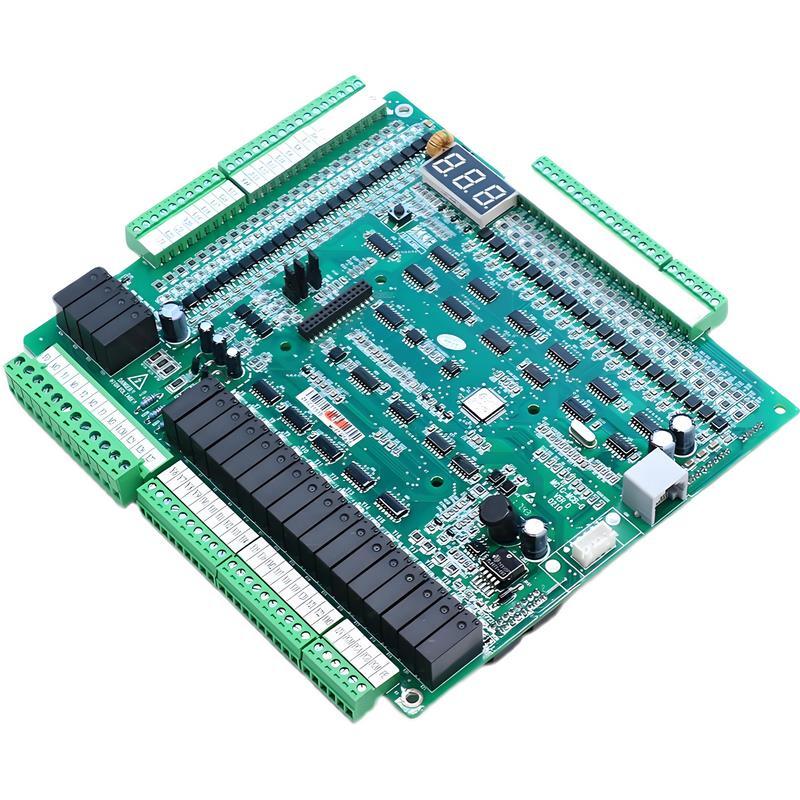
Elevators are essential components of modern buildings, facilitating the movement of people and goods efficiently. At the heart of these systems lies the **Elevator Control PCB (Printed Circuit Board) Assembly**, which plays a vital role in ensuring the reliable operation of the elevator. In this article, we will explore the importance of elevator control PCB assembly, delve into its components, functionality, and various factors that affect its design and performance.
What is Elevator Control PCB Assembly?
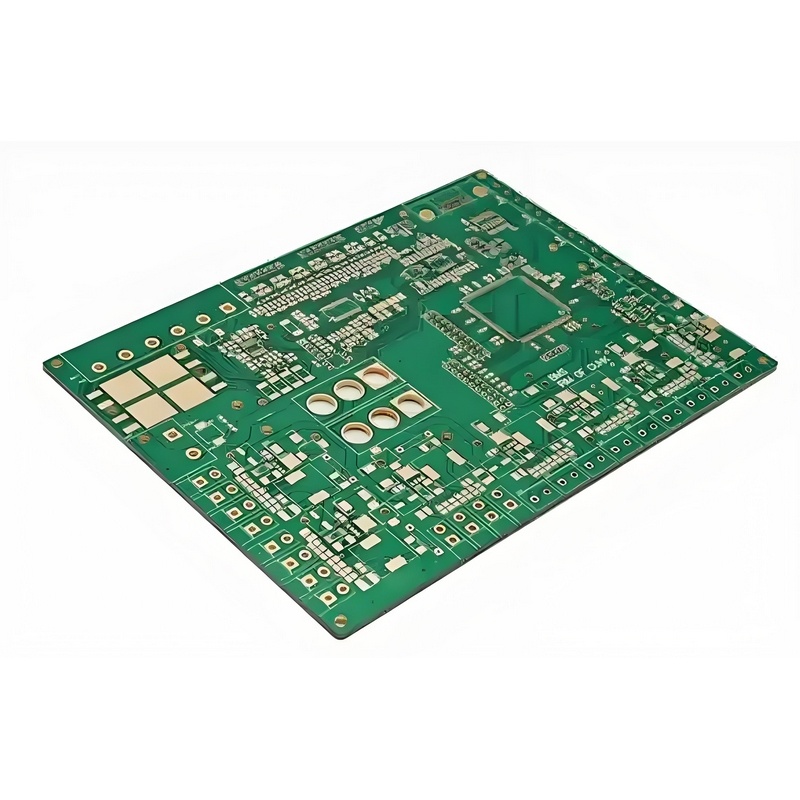
Elevator control PCB assembly is a crucial part of the elevator control system that manages the operation and safety of elevators. These assemblies are responsible for various functions, including:
- **Programming** the elevator’s movements.
- **Monitoring** the elevator's position.
- **Controlling** the opening and closing of doors.
- **Ensuring** safety features are operational.
Elevator control PCBs are designed to be reliable and efficient, as they must handle multiple operations simultaneously while maintaining a high level of safety.
The Components of Elevator Control PCB Assembly
A well-designed elevator control PCB assembly comprises various components that work together to ensure smooth operation. Some of the essential components include:
Microcontroller
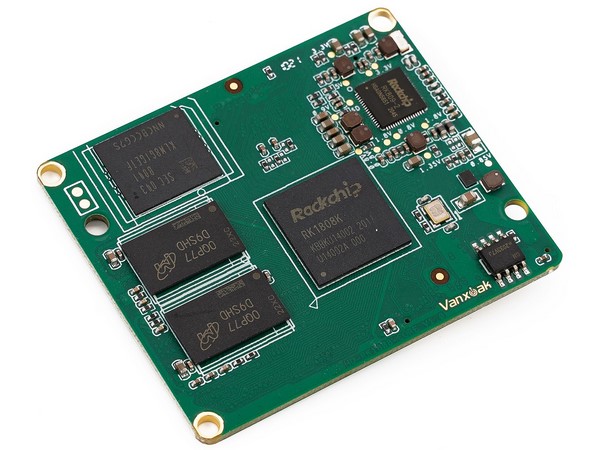
The microcontroller is the brain of the PCB assembly. It processes input signals from different sensors and executes commands to control the elevator's operation. For instance, it determines how long the elevator should wait at each floor based on user demand.
Power Supply
A stable power supply is crucial to ensure that the PCB functions correctly. It converts the building's electrical supply to the appropriate voltage levels required by the PCB and its components. A well-designed power supply will also include protection features to prevent damage from power surges or fluctuations.
Sensors
Elevator control systems incorporate various sensors, including position sensors and load sensors. Position sensors detect the elevator's current location, while load sensors monitor the weight inside the cabin, preventing overload conditions.
Relay and Switching Mechanisms
Relays and switches are responsible for controlling the elevator's motor and other operational components. They act as electronic gates, allowing or interrupting the flow of electricity based on signals from the microcontroller.
Communication Interfaces
Modern elevator control PCBs often include communication interfaces that enable connectivity with building management systems. This allows for monitoring and troubleshooting, enhancing the overall efficiency of elevator operations.
The Role of Elevator Control PCB Assembly in Safety
Safety is a paramount concern in elevator design and operation. Elevator control PCB assemblies are engineered with safety features to protect passengers and ensure smooth operation. Some key safety functions include:
Emergency Stop Mechanism
In the event of a malfunction, the elevator control PCB assembly can activate an emergency stop, halting the elevator and allowing passengers to exit safely.
Overload Protection
Load sensors integrated into the PCB assembly help prevent the elevator from operating when it is overloaded. This feature ensures the safety of passengers and prevents damage to the elevator system.
Door Safety Sensors
Elevator door safety sensors are vital components of the PCB assembly. They detect obstacles in the door's path, preventing the doors from closing if something is blocking them, thereby ensuring passenger safety.
Factors Influencing Elevator Control PCB Design
Designing an effective elevator control PCB assembly involves a deep understanding of various factors:
Regulatory Standards
Elevator systems must comply with strict safety and performance regulations. Designers of elevator control PCBs need to be aware of local and international standards, ensuring that their products are in compliance.
Environmental Conditions
Elevators are often installed in various environments, from high-rise buildings to industrial settings. The PCB design must account for factors such as temperature fluctuations, humidity, and exposure to dust or chemicals.
Integration with Other Systems
Modern buildings often feature integrated systems, including security, fire alarms, and building management systems. The elevator control PCB must be designed to interface seamlessly with these systems to ensure optimal performance and safety.
Cost and Efficiency
While safety and functionality are critical, cost efficiency remains a significant consideration during the design process. Designers strive to develop PCBs that offer reliable performance at a competitive price point.
The Manufacturing Process of Elevator Control PCB Assembly
The manufacturing of elevator control PCB assemblies involves several steps:
Design and Prototyping
Initial designs are created using computer-aided design (CAD) software. Prototypes are built and tested to ensure that the assembly meets performance and safety standards.
Component Sourcing
Selecting high-quality components is crucial for the long-term reliability of the PCB assembly. Manufacturers often work with trusted suppliers to source the necessary components.
Assembly
The assembly process involves soldering components onto the PCB. This can be done using automated machines or hand-soldering techniques, depending on the complexity of the assembly.
Testing
Once assembled, the PCBs undergo rigorous testing to check for functionality, safety, and performance. This includes functional testing, stress testing, and compliance testing to ensure adherence to regulatory standards.
Quality Control
Quality control is essential throughout the manufacturing process to identify and rectify any issues. This involves regular inspections and adherence to industry standards.
Current Trends in Elevator Control PCB Technology
The elevator industry is evolving, and so is the technology behind elevator control PCBs. Some notable trends include:
Smart Technology Integration
With the rise of smart buildings, elevator control PCBs are being designed to support IoT (Internet of Things) connectivity. This enables real-time monitoring, predictive maintenance, and improved energy efficiency.
Energy Efficiency Enhancements
Manufacturers are increasingly focusing on creating energy-efficient elevator systems. This includes optimizing the PCB design to reduce energy consumption during operation.
Advanced Safety Features
As technology advances, new safety features are being integrated into elevator control PCBs, such as advanced sensor technology and machine learning algorithms to anticipate and respond to potential issues proactively.
Conclusion
In conclusion, the elevator control PCB assembly is a cornerstone of modern elevator systems, ensuring not only functionality but also the safety of passengers. Understanding its components, design considerations, and the manufacturing process is essential for anyone involved in the elevator industry. As technology continues to evolve, the importance of reliable and innovative PCB assembly will only grow, paving the way for safer, more efficient elevator systems in the future.
FAQs
1. What is the primary function of an elevator control PCB?
The primary function of an elevator control PCB is to manage and control the operations of the elevator, including programming movements, monitoring positions, and ensuring safety features are operational.
2. How does the elevator control PCB ensure passenger safety?
It incorporates safety features such as emergency stop mechanisms, overload protection, and door safety sensors to protect passengers and ensure smooth operation.
3. What are the key components of an elevator control PCB assembly?
Key components include a microcontroller, power supply, sensors, relays, and communication interfaces.
4. How does environmental condition affect elevator control PCB design?
Environmental factors such as temperature, humidity, and exposure to dust or chemicals can influence the materials and components used in the PCB design.
5. What trends are shaping the future of elevator control PCB technology?
Trends include the integration of smart technology, enhancements in energy efficiency, and the development of advanced safety features through innovative designs.
Related news
Request A Quote
Please feel free to contact us at any time, and we will wholeheartedly provide you with the highest quality service and support.