




Ask For A Quick Quote
We will contact you within one working day. Please pay attention to your email.
Request a Sample
With the mission of “Smart Manufacturing - Global Delivery”, we help our customers shorten the time-to-market and optimize the supply chain cost through continuous technology iteration and digital upgrading. We look forward to working with you to define the future of electronic manufacturing!
- Technology Driven Intelligent Manufacturing
- Full-process quality control
- In-depth industry experience
- Agile Service Network
Enhancing Communication Through AIoT PCB Assembly: A Deep Dive
2026-02-16
In today’s rapidly evolving technological landscape, the integration of communication systems with Artificial Intelligence of Things (AIoT) is transforming the way electronic devices are designed, manufactured, and utilized. At the heart of this transformation lies PCB (Printed Circuit Board) assembly, a crucial process that enables the functionality of these sophisticated systems.
Communication plays a pivotal role in the AIoT ecosystem. AIoT combines the capabilities of AI with the vast network of interconnected devices, enabling smarter and more efficient operations. The assembly of PCBs tailored for AIoT applications involves intricate design and manufacturing processes that ensure optimal communication between devices. This communication is essential for real-time data exchange, enabling devices to make informed decisions based on the information they receive.
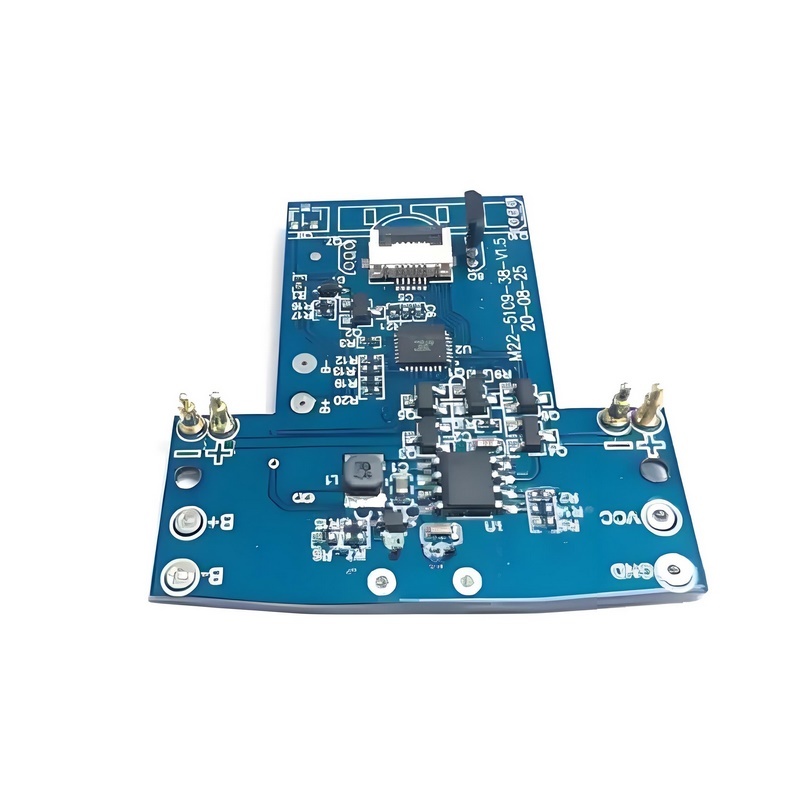
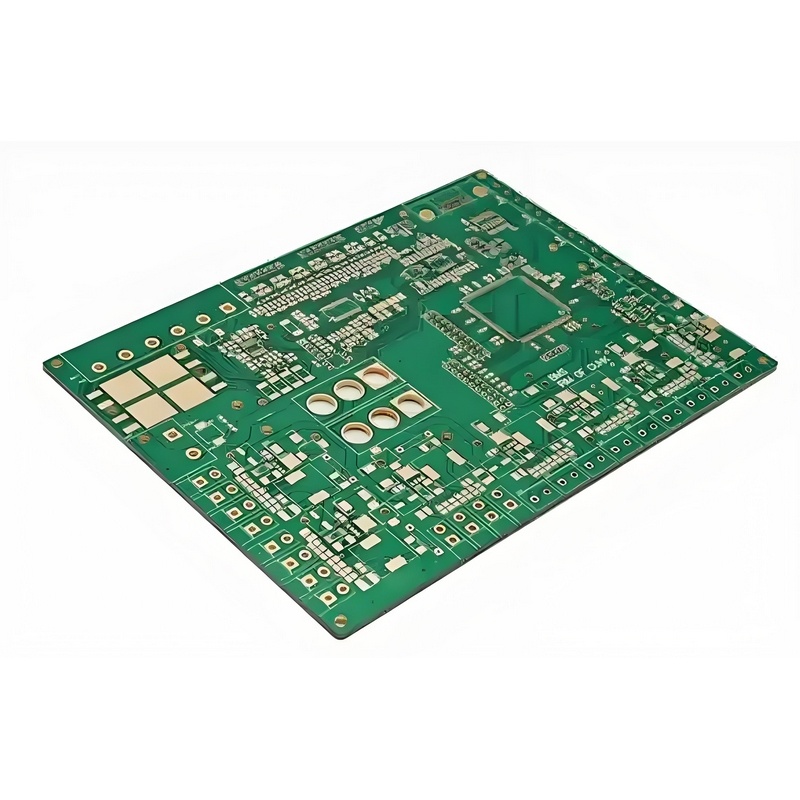
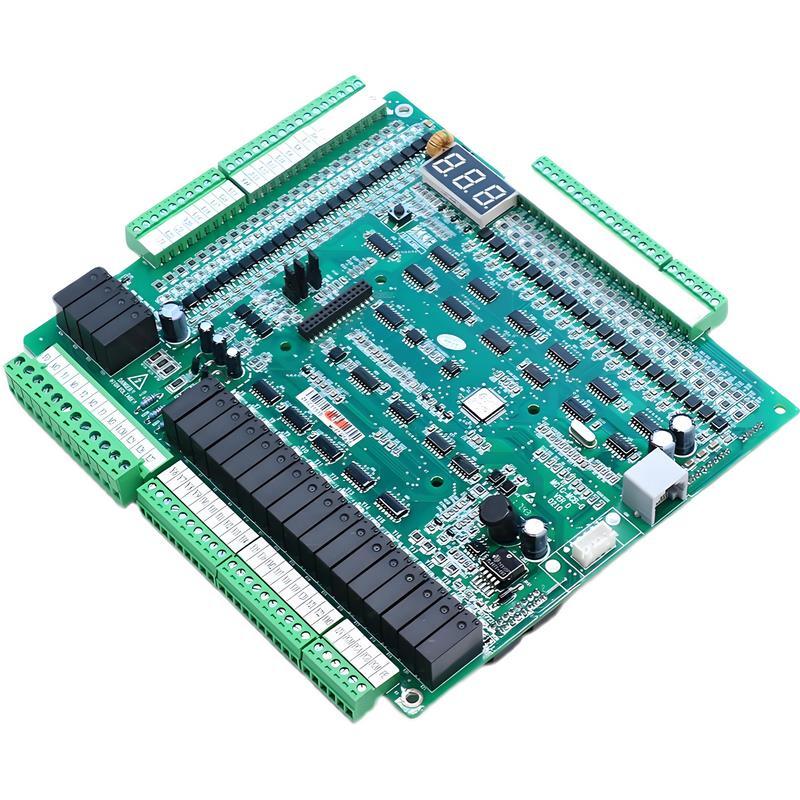
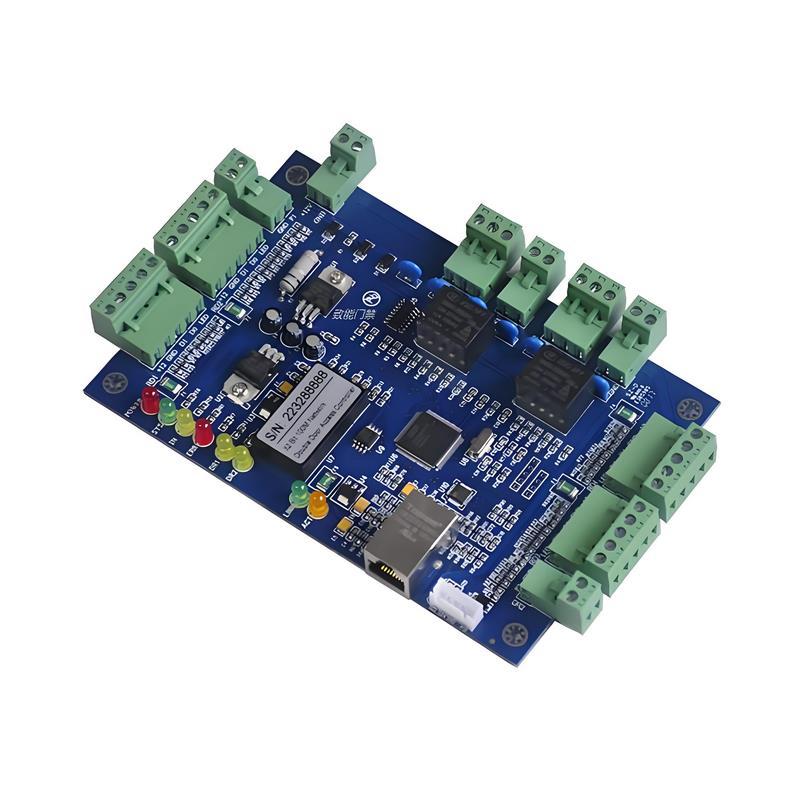
PCB assembly for AIoT applications involves several key considerations. First, the design must accommodate the specific requirements of AI algorithms, which often demand higher processing power and efficient data handling capabilities. Consequently, the layout of the PCB, including the placement of components and routing of signals, is critical. By optimizing these designs, manufacturers can enhance the speed and reliability of communication within AIoT devices.
Furthermore, the choice of materials used in PCB assembly can significantly impact the performance of AIoT devices. High-quality substrates and components can reduce signal interference and improve durability, ensuring that devices maintain effective communication even in challenging environments. This is particularly important for applications in sectors such as healthcare, automotive, and smart cities, where reliable communication can have critical implications.
Moreover, advancements in autonomous communication technologies are paving the way for more sophisticated AIoT applications. For example, edge computing allows devices to process data locally, reducing latency and bandwidth usage. This capability is made possible through advanced PCB assembly techniques that integrate multiple functionalities into compact designs, enabling devices to operate independently while still communicating with a larger network.
As we look to the future, the synergy between communication technologies and AIoT PCB assembly will continue to drive innovation across various industries. The ability to create intelligent, connected devices that communicate seamlessly will open up new possibilities, from automated manufacturing processes to enhanced consumer experiences.
In conclusion, communication and AIoT PCB assembly are interlinked elements that significantly influence the performance and capabilities of modern electronic devices. By focusing on advanced assembly techniques and innovative designs, manufacturers can ensure that their products remain at the forefront of technological advancements, meeting the demands of an increasingly connected world.
Communication plays a pivotal role in the AIoT ecosystem. AIoT combines the capabilities of AI with the vast network of interconnected devices, enabling smarter and more efficient operations. The assembly of PCBs tailored for AIoT applications involves intricate design and manufacturing processes that ensure optimal communication between devices. This communication is essential for real-time data exchange, enabling devices to make informed decisions based on the information they receive.
PCB assembly for AIoT applications involves several key considerations. First, the design must accommodate the specific requirements of AI algorithms, which often demand higher processing power and efficient data handling capabilities. Consequently, the layout of the PCB, including the placement of components and routing of signals, is critical. By optimizing these designs, manufacturers can enhance the speed and reliability of communication within AIoT devices.
Furthermore, the choice of materials used in PCB assembly can significantly impact the performance of AIoT devices. High-quality substrates and components can reduce signal interference and improve durability, ensuring that devices maintain effective communication even in challenging environments. This is particularly important for applications in sectors such as healthcare, automotive, and smart cities, where reliable communication can have critical implications.
Moreover, advancements in autonomous communication technologies are paving the way for more sophisticated AIoT applications. For example, edge computing allows devices to process data locally, reducing latency and bandwidth usage. This capability is made possible through advanced PCB assembly techniques that integrate multiple functionalities into compact designs, enabling devices to operate independently while still communicating with a larger network.
As we look to the future, the synergy between communication technologies and AIoT PCB assembly will continue to drive innovation across various industries. The ability to create intelligent, connected devices that communicate seamlessly will open up new possibilities, from automated manufacturing processes to enhanced consumer experiences.
In conclusion, communication and AIoT PCB assembly are interlinked elements that significantly influence the performance and capabilities of modern electronic devices. By focusing on advanced assembly techniques and innovative designs, manufacturers can ensure that their products remain at the forefront of technological advancements, meeting the demands of an increasingly connected world.
Related news

Request A Quote
Please feel free to contact us at any time, and we will wholeheartedly provide you with the highest quality service and support.