




Ask For A Quick Quote
We will contact you within one working day. Please pay attention to your email.
Request a Sample
With the mission of “Smart Manufacturing - Global Delivery”, we help our customers shorten the time-to-market and optimize the supply chain cost through continuous technology iteration and digital upgrading. We look forward to working with you to define the future of electronic manufacturing!
- Technology Driven Intelligent Manufacturing
- Full-process quality control
- In-depth industry experience
- Agile Service Network
Understanding Precision Instruments PCB Assembly: Key Aspects and Benefits
2026-02-28
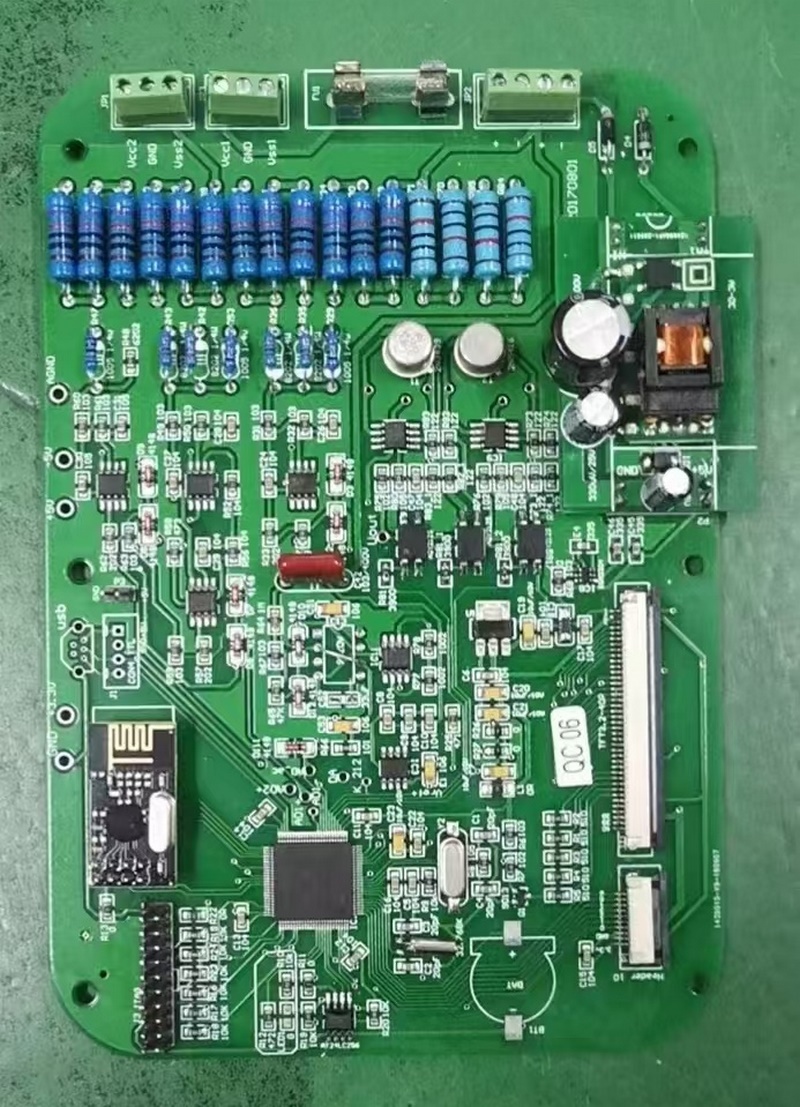
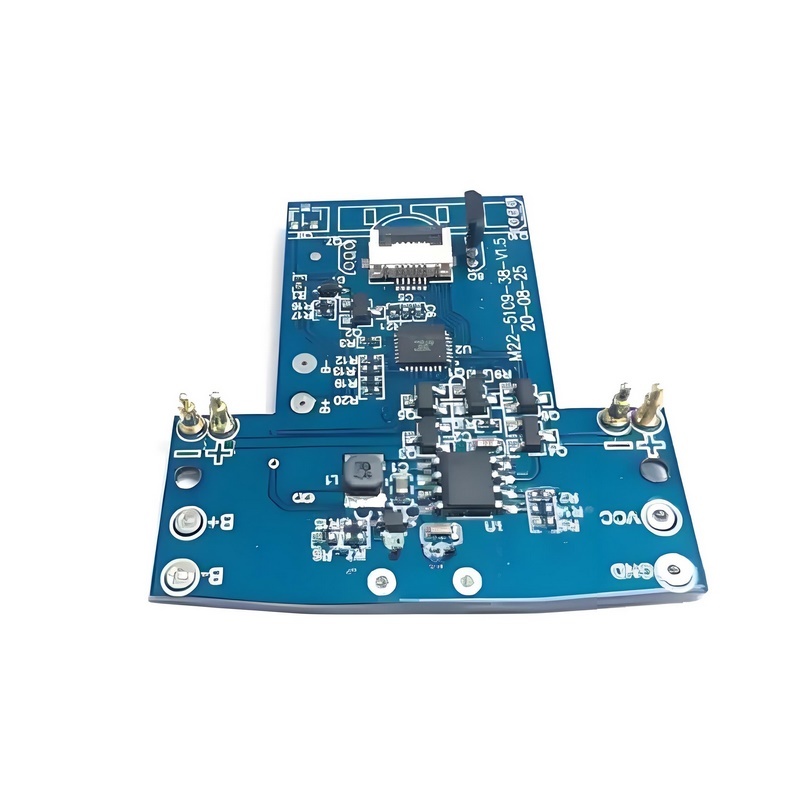
Precision Instruments PCB Assembly is a critical process within the electronics manufacturing industry, specifically when it comes to creating reliable and high-performance electronic devices. The term "PCB" stands for Printed Circuit Board, which serves as the backbone for electronic components, providing physical support and electrical connections. In the context of precision instruments, the importance of careful assembly cannot be overstated, as these devices often operate under stringent performance standards.
One of the primary aspects of Precision Instruments PCB Assembly is the meticulous attention to detail required during the design and manufacturing stages. The assembly process often involves various techniques, such as surface mount technology (SMT) and through-hole technology, which play a crucial role in achieving high levels of precision. SMT allows for the mounting of components directly onto the surface of the PCB, leading to a more compact and efficient design, whereas through-hole technology involves inserting component leads into drilled holes for added stability.
In precision applications, tolerances are significantly tighter than in standard PCB assembly. This is vital for devices that require consistent performance in demanding environments, such as medical equipment, aerospace instruments, and industrial controls. The use of automated assembly equipment, including pick-and-place machines, enhances accuracy and speeds up the production process, minimizing human error and ensuring that each component is placed exactly where it needs to be.
Quality control is another essential aspect of Precision Instruments PCB Assembly. Rigorous testing methods, including optical inspection and functional testing, are implemented to ensure that the assembled boards meet industry standards. By conducting thorough inspections, manufacturers can identify and rectify any defects early in the process, thus reducing the risk of failure in the final product.
Additionally, the choice of materials used in PCB assembly can greatly influence the performance and durability of the final electronic device. High-quality substrates, solder materials, and protective coatings are often selected to enhance thermal and electrical performance, as well as to provide resistance to environmental factors such as moisture and temperature fluctuations.
In conclusion, Precision Instruments PCB Assembly is a multifaceted process that involves a range of techniques and quality control measures to ensure high-performance electronic devices. By understanding the intricacies of this process, professionals in the electronics industry can better appreciate how precision impacts product reliability and functionality. Whether for designing new products or improving existing ones, a sound knowledge of PCB assembly is essential for success in the competitive landscape of electronic components.
One of the primary aspects of Precision Instruments PCB Assembly is the meticulous attention to detail required during the design and manufacturing stages. The assembly process often involves various techniques, such as surface mount technology (SMT) and through-hole technology, which play a crucial role in achieving high levels of precision. SMT allows for the mounting of components directly onto the surface of the PCB, leading to a more compact and efficient design, whereas through-hole technology involves inserting component leads into drilled holes for added stability.
In precision applications, tolerances are significantly tighter than in standard PCB assembly. This is vital for devices that require consistent performance in demanding environments, such as medical equipment, aerospace instruments, and industrial controls. The use of automated assembly equipment, including pick-and-place machines, enhances accuracy and speeds up the production process, minimizing human error and ensuring that each component is placed exactly where it needs to be.
Quality control is another essential aspect of Precision Instruments PCB Assembly. Rigorous testing methods, including optical inspection and functional testing, are implemented to ensure that the assembled boards meet industry standards. By conducting thorough inspections, manufacturers can identify and rectify any defects early in the process, thus reducing the risk of failure in the final product.
Additionally, the choice of materials used in PCB assembly can greatly influence the performance and durability of the final electronic device. High-quality substrates, solder materials, and protective coatings are often selected to enhance thermal and electrical performance, as well as to provide resistance to environmental factors such as moisture and temperature fluctuations.
In conclusion, Precision Instruments PCB Assembly is a multifaceted process that involves a range of techniques and quality control measures to ensure high-performance electronic devices. By understanding the intricacies of this process, professionals in the electronics industry can better appreciate how precision impacts product reliability and functionality. Whether for designing new products or improving existing ones, a sound knowledge of PCB assembly is essential for success in the competitive landscape of electronic components.
Related news

Request A Quote
Please feel free to contact us at any time, and we will wholeheartedly provide you with the highest quality service and support.