




Ask For A Quick Quote
We will contact you within one working day. Please pay attention to your email.
Request a Sample
With the mission of “Smart Manufacturing - Global Delivery”, we help our customers shorten the time-to-market and optimize the supply chain cost through continuous technology iteration and digital upgrading. We look forward to working with you to define the future of electronic manufacturing!
- Technology Driven Intelligent Manufacturing
- Full-process quality control
- In-depth industry experience
- Agile Service Network
The Essentials of Precision Instruments PCB Assembly: A Comprehensive Overview
2026-04-29
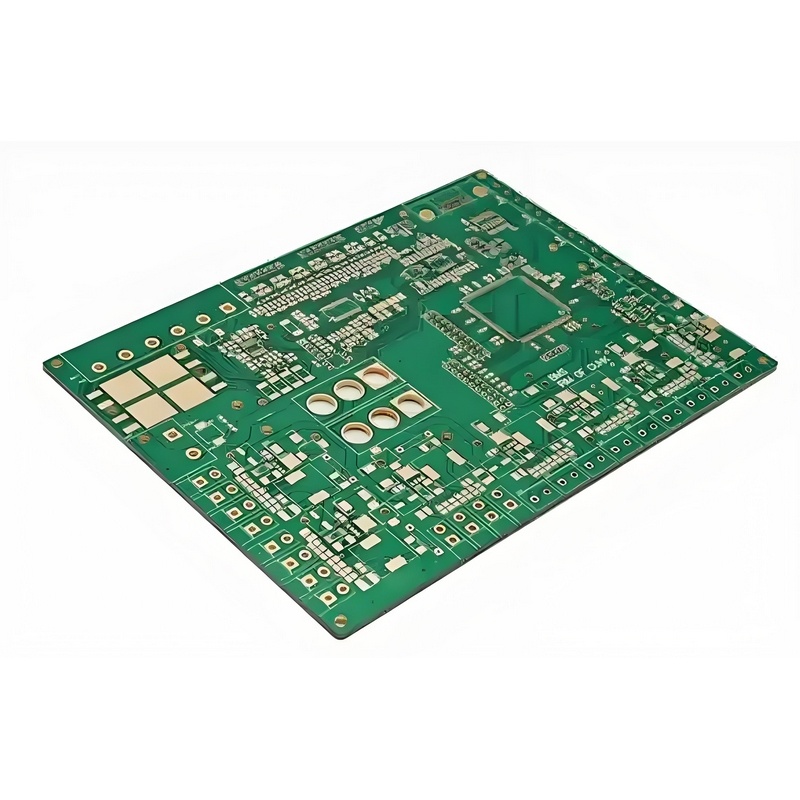
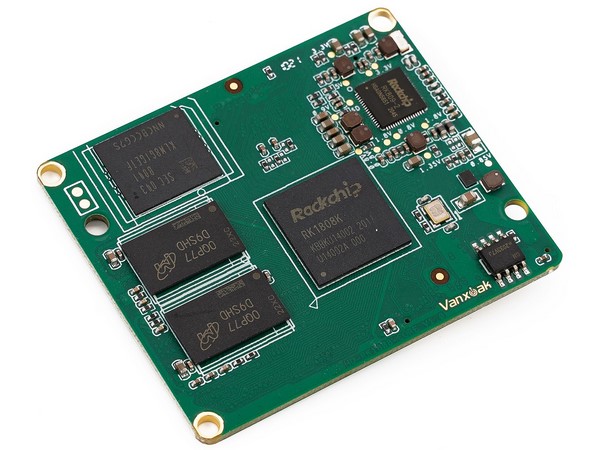
Precision Instruments PCB Assembly is a cornerstone of modern electronics, playing a crucial role in the development and manufacturing of various electronic devices. This assembly process involves the careful placement and soldering of electronic components onto printed circuit boards (PCBs) with an emphasis on precision and accuracy. As technology continues to advance, so does the need for high-quality assembly processes that ensure the reliability and performance of electronic products.
At the heart of Precision Instruments PCB Assembly is the meticulous attention to detail required in both design and execution. The assembly process typically begins with a well-designed PCB layout, which outlines the placement of components, connections, and pathways for electrical signals. Advanced software tools are often employed to simulate and validate the design before physical assembly begins, reducing the likelihood of errors.
Once the design phase is complete, the assembly process incorporates various techniques, such as surface mount technology (SMT) and through-hole technology. SMT has become increasingly popular due to its ability to accommodate smaller components and facilitate higher density configurations. It allows for the efficient placement of components directly onto the surface of the PCB, optimizing space and improving electrical performance.
Another key aspect of Precision Instruments PCB Assembly is quality assurance. Rigorous testing methodologies, including Automated Optical Inspection (AOI) and X-ray inspection, are implemented to ensure that each assembly meets strict quality standards. These tests help identify defects, such as misaligned components or soldering issues, which could significantly affect the functionality of the final product.
Moreover, the applications of Precision Instruments PCB Assembly are vast. From consumer electronics to medical devices and automotive systems, precision in PCB assembly translates into improved efficiency and reliability. In industries where failure is not an option, such as aerospace and defense, the importance of precision cannot be overstated. Here, the assembly not only affects performance but can also have significant safety implications.
In summary, Precision Instruments PCB Assembly serves as a vital process that underpins the functionality of countless electronic devices. By focusing on high-quality design, advanced assembly techniques, and rigorous testing, manufacturers can ensure that their products are reliable and effective in meeting the demands of today’s technology-driven world. The commitment to precision in this assembly process ultimately drives innovation and efficiency across various electronic applications.
At the heart of Precision Instruments PCB Assembly is the meticulous attention to detail required in both design and execution. The assembly process typically begins with a well-designed PCB layout, which outlines the placement of components, connections, and pathways for electrical signals. Advanced software tools are often employed to simulate and validate the design before physical assembly begins, reducing the likelihood of errors.
Once the design phase is complete, the assembly process incorporates various techniques, such as surface mount technology (SMT) and through-hole technology. SMT has become increasingly popular due to its ability to accommodate smaller components and facilitate higher density configurations. It allows for the efficient placement of components directly onto the surface of the PCB, optimizing space and improving electrical performance.
Another key aspect of Precision Instruments PCB Assembly is quality assurance. Rigorous testing methodologies, including Automated Optical Inspection (AOI) and X-ray inspection, are implemented to ensure that each assembly meets strict quality standards. These tests help identify defects, such as misaligned components or soldering issues, which could significantly affect the functionality of the final product.
Moreover, the applications of Precision Instruments PCB Assembly are vast. From consumer electronics to medical devices and automotive systems, precision in PCB assembly translates into improved efficiency and reliability. In industries where failure is not an option, such as aerospace and defense, the importance of precision cannot be overstated. Here, the assembly not only affects performance but can also have significant safety implications.
In summary, Precision Instruments PCB Assembly serves as a vital process that underpins the functionality of countless electronic devices. By focusing on high-quality design, advanced assembly techniques, and rigorous testing, manufacturers can ensure that their products are reliable and effective in meeting the demands of today’s technology-driven world. The commitment to precision in this assembly process ultimately drives innovation and efficiency across various electronic applications.
Related news

Request A Quote
Please feel free to contact us at any time, and we will wholeheartedly provide you with the highest quality service and support.