




Ask For A Quick Quote
We will contact you within one working day. Please pay attention to your email.
Request a Sample
With the mission of “Smart Manufacturing - Global Delivery”, we help our customers shorten the time-to-market and optimize the supply chain cost through continuous technology iteration and digital upgrading. We look forward to working with you to define the future of electronic manufacturing!
- Technology Driven Intelligent Manufacturing
- Full-process quality control
- In-depth industry experience
- Agile Service Network
Understanding Facial Recognition PCB Assembly: A Guide for the Electronics Industry
2026-04-23
Facial recognition technology has seen a dramatic rise in importance, driven by advancements in artificial intelligence and machine learning. At the heart of this technology lies the printed circuit board (PCB) assembly, which plays a pivotal role in the system's overall functionality and reliability. Understanding Facial Recognition PCB Assembly is essential for companies involved in the electronics industry, especially those focusing on innovative applications.
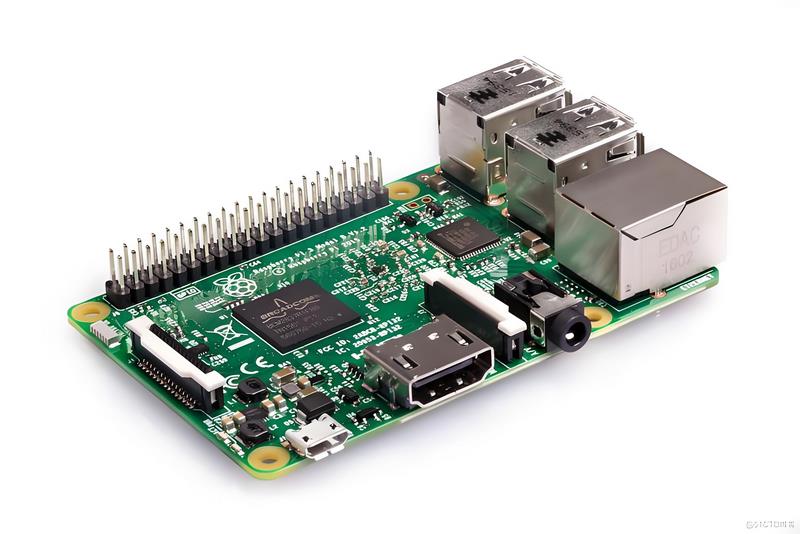
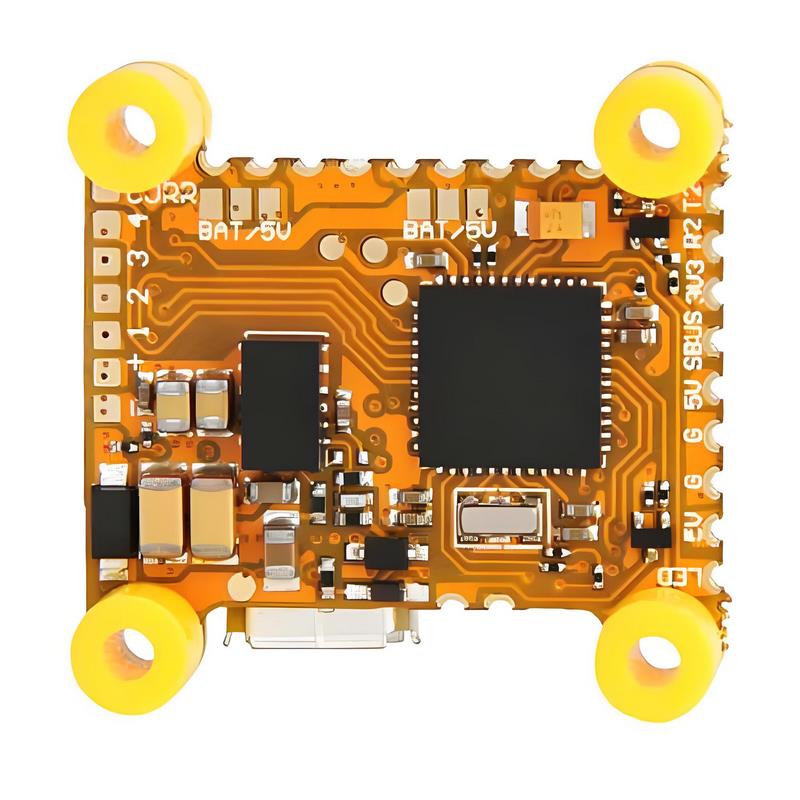
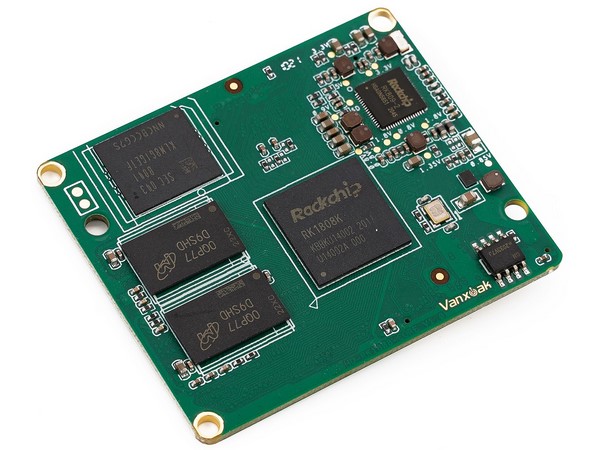
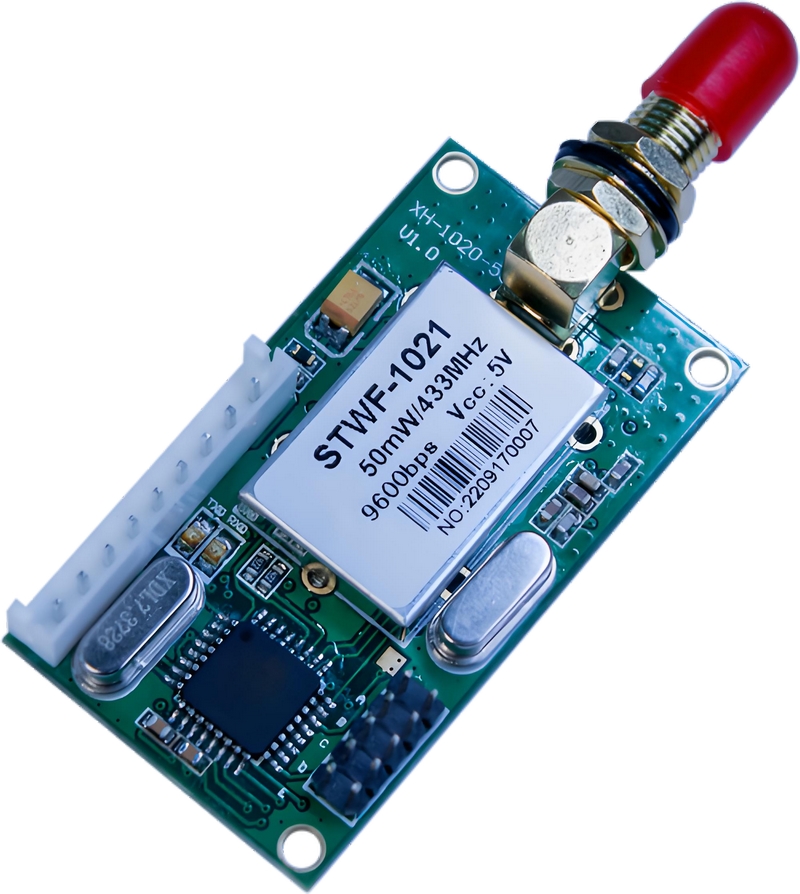
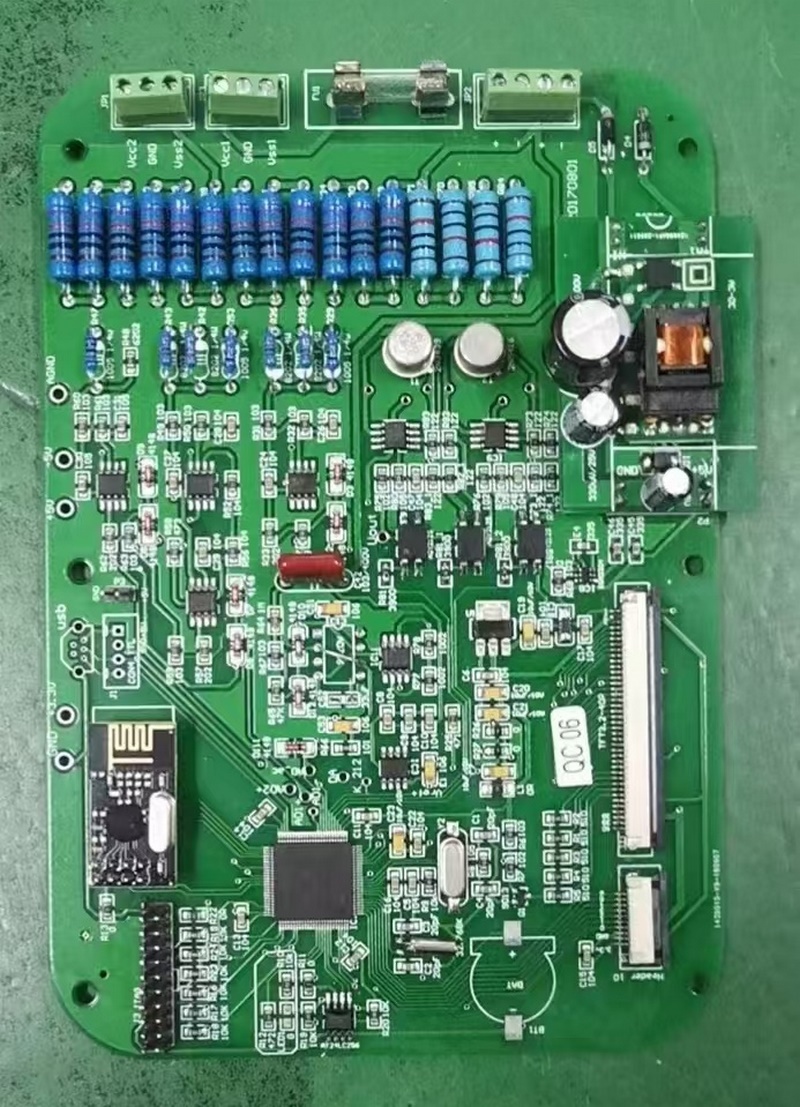
The PCB assembly process for facial recognition systems involves several critical components. These typically include microcontrollers, sensors, and various integrated circuits. Each element is meticulously designed to work together, capturing and processing facial data efficiently. The assembly process itself often requires precise soldering techniques to ensure connectivity and performance stability. High-quality materials and components are crucial to minimize signal interference and enhance the accuracy of facial recognition algorithms.
One of the main challenges in facial recognition PCB assembly is ensuring the system's reliability under different conditions. Environmental factors such as temperature, humidity, and electromagnetic interference can significantly impact performance. To mitigate these issues, manufacturers often employ rigorous testing protocols during the assembly process. This might include thermal cycling tests, vibration tests, and electromagnetic compatibility evaluations, all aimed at ensuring that the final product can operate effectively in real-world scenarios.
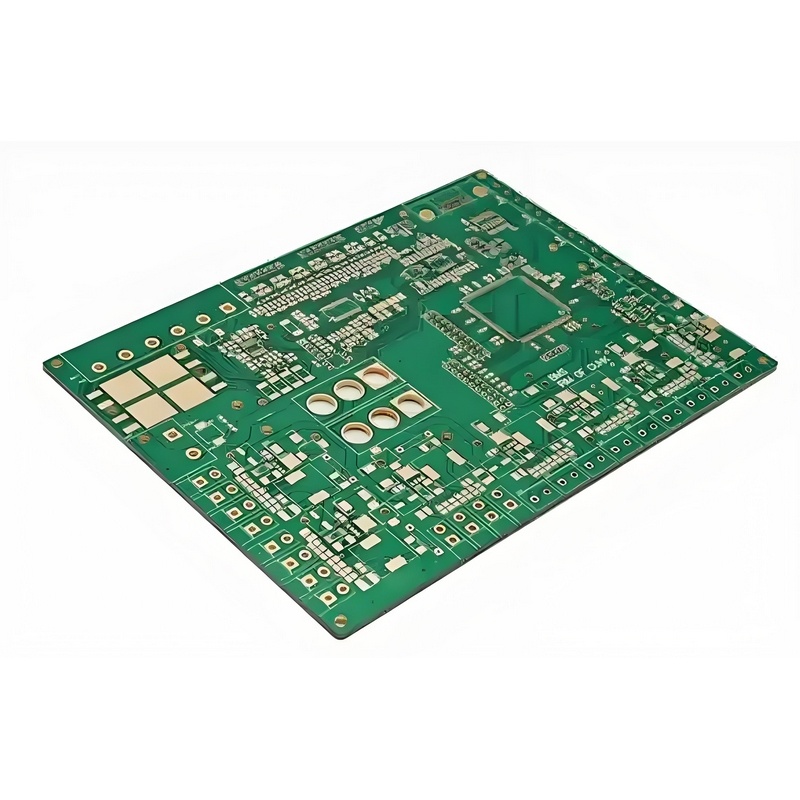
Additionally, understanding the layout design of the PCB is vital. A well-designed layout minimizes the distance between components, which can reduce latency in data processing. It also helps in managing heat dissipation, an essential factor for maintaining optimal performance in facial recognition systems. Engineers must consider not only the current technological requirements but also future scalability, as the demand for higher resolution and faster processing speeds continues to grow.
Another significant aspect of Facial Recognition PCB Assembly is compliance with industry standards and regulations. Manufacturers must ensure that their products adhere to the relevant safety and performance standards to enter various markets. This compliance often involves documentation, testing, and potential redesigns to meet the required specifications.
In summary, Facial Recognition PCB Assembly is a complex yet fascinating field within the electronics industry. By understanding the components, assembly processes, and design considerations involved, professionals can better navigate the challenges and opportunities presented by this rapidly advancing technology. As facial recognition systems become ubiquitous across various applications, mastering the art and science of PCB assembly will be crucial for future success in the electronics market.
The PCB assembly process for facial recognition systems involves several critical components. These typically include microcontrollers, sensors, and various integrated circuits. Each element is meticulously designed to work together, capturing and processing facial data efficiently. The assembly process itself often requires precise soldering techniques to ensure connectivity and performance stability. High-quality materials and components are crucial to minimize signal interference and enhance the accuracy of facial recognition algorithms.
One of the main challenges in facial recognition PCB assembly is ensuring the system's reliability under different conditions. Environmental factors such as temperature, humidity, and electromagnetic interference can significantly impact performance. To mitigate these issues, manufacturers often employ rigorous testing protocols during the assembly process. This might include thermal cycling tests, vibration tests, and electromagnetic compatibility evaluations, all aimed at ensuring that the final product can operate effectively in real-world scenarios.
Additionally, understanding the layout design of the PCB is vital. A well-designed layout minimizes the distance between components, which can reduce latency in data processing. It also helps in managing heat dissipation, an essential factor for maintaining optimal performance in facial recognition systems. Engineers must consider not only the current technological requirements but also future scalability, as the demand for higher resolution and faster processing speeds continues to grow.
Another significant aspect of Facial Recognition PCB Assembly is compliance with industry standards and regulations. Manufacturers must ensure that their products adhere to the relevant safety and performance standards to enter various markets. This compliance often involves documentation, testing, and potential redesigns to meet the required specifications.
In summary, Facial Recognition PCB Assembly is a complex yet fascinating field within the electronics industry. By understanding the components, assembly processes, and design considerations involved, professionals can better navigate the challenges and opportunities presented by this rapidly advancing technology. As facial recognition systems become ubiquitous across various applications, mastering the art and science of PCB assembly will be crucial for future success in the electronics market.
Related news

Request A Quote
Please feel free to contact us at any time, and we will wholeheartedly provide you with the highest quality service and support.