




Ask For A Quick Quote
We will contact you within one working day. Please pay attention to your email.
Request a Sample
With the mission of “Smart Manufacturing - Global Delivery”, we help our customers shorten the time-to-market and optimize the supply chain cost through continuous technology iteration and digital upgrading. We look forward to working with you to define the future of electronic manufacturing!
- Technology Driven Intelligent Manufacturing
- Full-process quality control
- In-depth industry experience
- Agile Service Network
How to Choose the Right Elevator Control PCB Assembly for Your Needs
2026-04-26
How to Choose the Right Elevator Control PCB Assembly for Your Needs
Elevators are an integral part of modern buildings, ensuring smooth vertical transportation. At the heart of every elevator system lies the **elevator control PCB (printed circuit board) assembly**, which plays a crucial role in managing the elevator's operations. Choosing the right PCB assembly can significantly impact the efficiency, safety, and reliability of your elevator system. In this article, we provide a detailed guide on how to choose the right elevator control PCB assembly for your needs.
Understanding Elevator Control PCB Assemblies
Before diving into selection criteria, it’s essential to understand what elevator control PCB assemblies are and their functions.
What is an Elevator Control PCB Assembly?
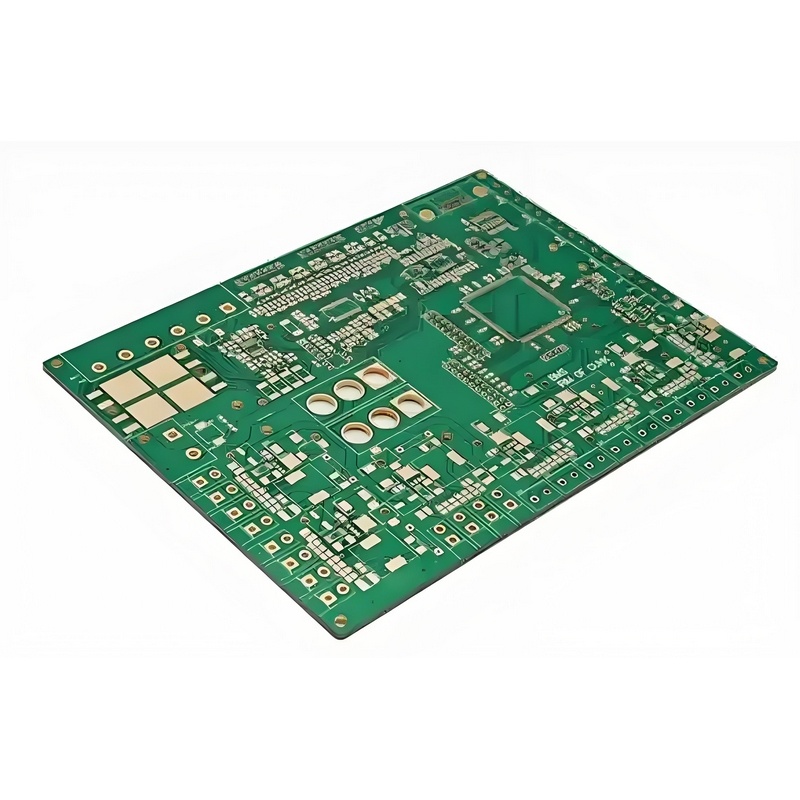
An elevator control PCB assembly is a compact electronic circuit designed to control the various functions of an elevator system. It includes components such as microcontrollers, relays, and sensors that manage the elevator's movement, door operations, and safety systems.
Key Functions of Elevator Control PCB Assemblies
The primary functions of an elevator control PCB assembly include:
- **Control of Movement**: Managing the up and down movement of the elevator.
- **Door Operations**: Opening and closing the elevator doors safely.
- **Safety Monitoring**: Ensuring the elevator operates within safety parameters, including overload detection and emergency stop functionalities.
- **Communication**: Facilitating communication between the elevator and its control panel.
Factors to Consider When Choosing Elevator Control PCB Assemblies
Selecting the right elevator control PCB assembly involves several critical factors. Let’s explore them in detail.
1. Compatibility with Elevator Design
The first step in choosing an elevator control PCB assembly is ensuring its compatibility with your elevator’s design. Consider the following:
- **Type of Elevator**: Whether it's hydraulic, traction, or machine-room-less, different elevator types require specific PCB designs to function effectively.
- **Manufacturer Specifications**: Each manufacturer may have specific requirements for their elevator systems. Verify that the PCB assembly aligns with these requirements.
2. Functionality and Features
Assess the functionality and features of the PCB assembly to ensure it meets the operational needs of your elevator. Look for:
- **Advanced Control Systems**: Options like variable frequency drives (VFDs) for smooth acceleration and deceleration.
- **Integrated Safety Features**: Compliance with safety standards such as EN 81 or ASME A17.1.
- **User Interface Options**: How users will interact with the system, including touch screens or traditional buttons.
3. Reliability and Durability
Reliability is paramount in elevator systems, as they are used daily by a large number of people. Consider the following:
- **Component Quality**: Opt for PCBs made from high-quality materials that can withstand harsh conditions.
- **Testing and Certification**: Ensure that the PCB assembly has passed rigorous testing and meets industry standards for safety and reliability.
4. Cost Considerations
While quality is essential, budget constraints also play a role in your decision. Evaluate your options by:
- **Balancing Cost and Quality**: Cheaper options may save money initially but could lead to higher maintenance costs over time.
- **Long-Term Investment**: Consider the total cost of ownership, including installation, maintenance, and potential downtime.
5. Manufacturer Reputation
Choosing a reputable manufacturer can significantly affect the quality and reliability of your elevator control PCB assembly. Research the manufacturer's:
- **Experience**: Look for manufacturers with extensive experience in elevator control technologies.
- **Customer Reviews and Testimonials**: Positive feedback from previous clients can give insight into the manufacturer's reliability and service quality.
6. Technical Support and Warranty
After purchasing the PCB assembly, you may encounter technical issues. Ensure you have access to:
- **Technical Support**: A manufacturer that offers ongoing support can help troubleshoot and resolve issues quickly.
- **Warranty Options**: A solid warranty can protect your investment and provide peace of mind in case of defects or failures.
The Benefits of a Quality Elevator Control PCB Assembly
Investing in a high-quality elevator control PCB assembly comes with numerous advantages.
1. Enhanced Safety and Performance
A reliable PCB assembly enhances the overall safety of the elevator, reducing the risk of accidents and ensuring smooth operation.
2. Improved Energy Efficiency
Modern PCBs often incorporate energy-efficient technologies that reduce power consumption, leading to lower operational costs.
3. Easy Maintenance and Upgrades
Quality PCB assemblies are designed to make maintenance easier. They often allow for straightforward upgrades, keeping the elevator system current without significant overhauls.
4. Increased Lifespan of Elevator Systems
By choosing the right components, including a quality PCB assembly, you can extend the lifespan of your elevator system, delaying the need for costly replacements.
Steps to Select the Right Elevator Control PCB Assembly
Choosing the right elevator control PCB assembly involves a systematic approach. Here are the steps to guide you through the selection process.
Step 1: Analyze Your Requirements
Define your specific requirements based on the type of elevator, expected traffic, and any unique functionalities you may need.
Step 2: Research Potential Manufacturers
Compile a list of potential manufacturers and research their products, customer reviews, and industry reputation.
Step 3: Compare Features and Pricing
Create a comparison chart that outlines the features, pricing, and warranties of different PCB assemblies to help you make an informed decision.
Step 4: Seek Recommendations
Consult with industry experts or colleagues who have experience with elevator systems to gain insights and recommendations.
Step 5: Request Samples or Prototypes
Whenever possible, request samples or prototypes to evaluate the PCB assembly's quality and performance in real-world conditions.
Step 6: Make an Informed Decision
After thorough evaluation and consideration, select the PCB assembly that best meets your needs and budget.
FAQs about Elevator Control PCB Assemblies
1. What is the average lifespan of an elevator control PCB assembly?
The average lifespan of a quality elevator control PCB assembly typically ranges from 10 to 20 years, depending on usage and maintenance.
2. How often should elevator control PCB assemblies be replaced?
Replacement intervals can vary based on usage, but it is advisable to assess the PCB assembly every 5 years for signs of wear or malfunction.
3. Can I upgrade my existing elevator control PCB assembly?
Yes, many modern PCBs are designed for easy upgrades, allowing for improved functionality without replacing the entire elevator system.
4. What regulations should elevator control PCB assemblies comply with?
Elevator control PCB assemblies should comply with applicable safety standards like EN 81 in Europe or ASME A17.1 in the United States.
5. How can I ensure my elevator control PCB assembly is safe?
Choose a PCB assembly from a reputable manufacturer, ensure it meets safety standards, and schedule regular maintenance checks to ensure proper functioning.
Conclusion
Choosing the right elevator control PCB assembly is crucial for ensuring the efficiency, safety, and reliability of your elevator system. By understanding the various factors, benefits, and steps involved in the selection process, you can make an informed decision that meets your specific needs. Remember to consider compatibility, functionality, reliability, cost, and manufacturer reputation as you navigate the options available in the market. Investing in a quality PCB assembly not only enhances performance but also contributes to the long-term success of your elevator system.
Related news

Request A Quote
Please feel free to contact us at any time, and we will wholeheartedly provide you with the highest quality service and support.