




Ask For A Quick Quote
We will contact you within one working day. Please pay attention to your email.
Request a Sample
With the mission of “Smart Manufacturing - Global Delivery”, we help our customers shorten the time-to-market and optimize the supply chain cost through continuous technology iteration and digital upgrading. We look forward to working with you to define the future of electronic manufacturing!
- Technology Driven Intelligent Manufacturing
- Full-process quality control
- In-depth industry experience
- Agile Service Network
Enhancing Communication with AIoT PCB Assembly: Exploring the Future of Connectivity
2026-04-17
In the rapidly evolving world of technology, effective communication is paramount. With the rise of the AIoT, which integrates artificial intelligence with the Internet of Things (IoT), the importance of robust and efficient PCB assembly has never been greater. This integration not only enhances connectivity but also enables smarter, more responsive devices.
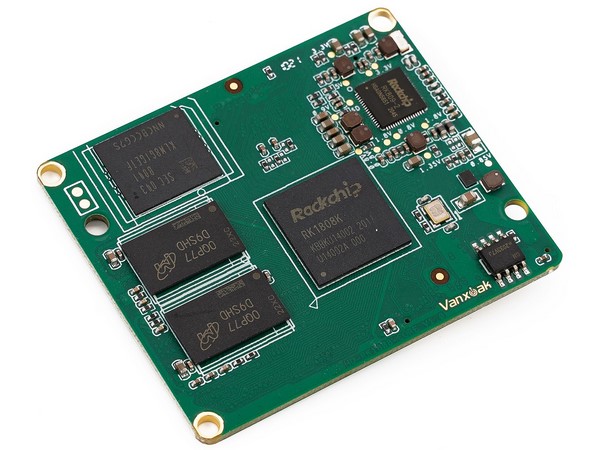
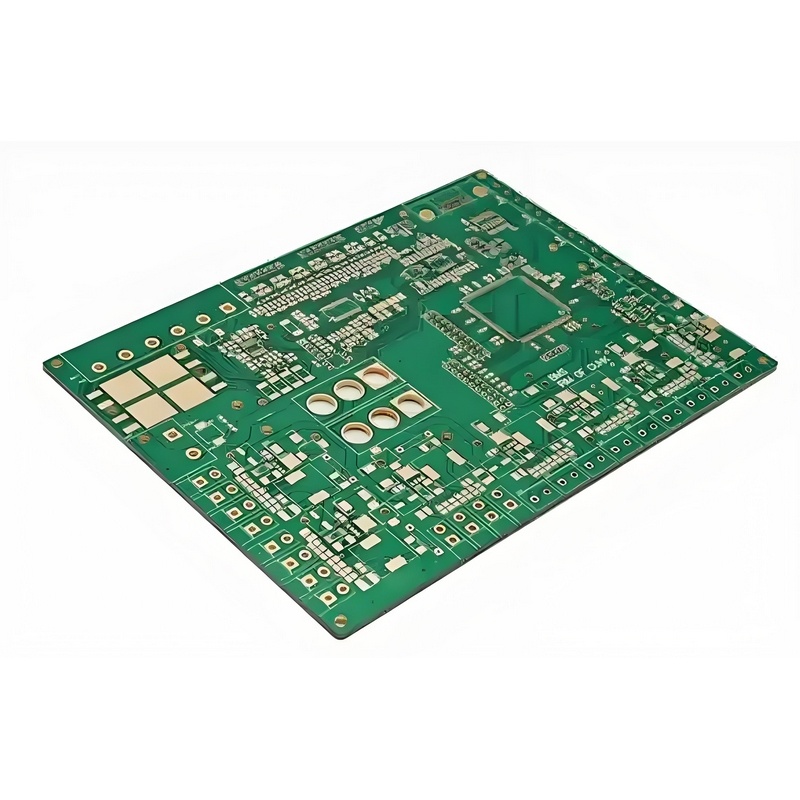
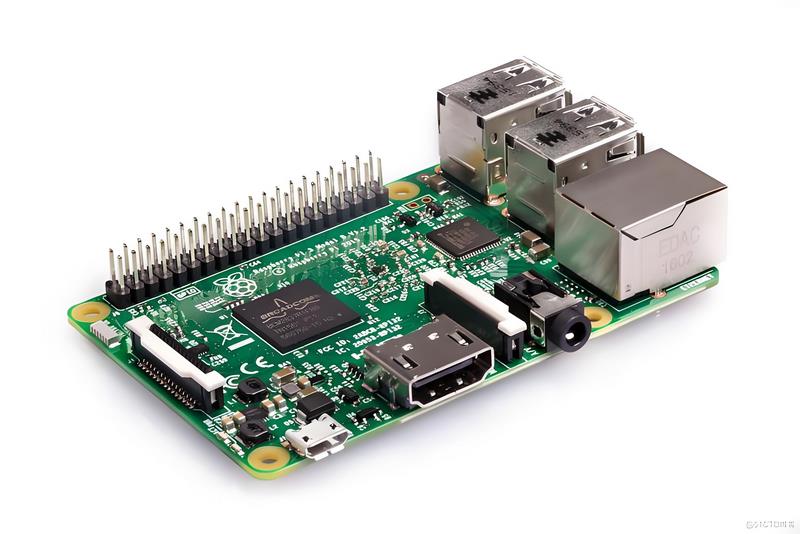
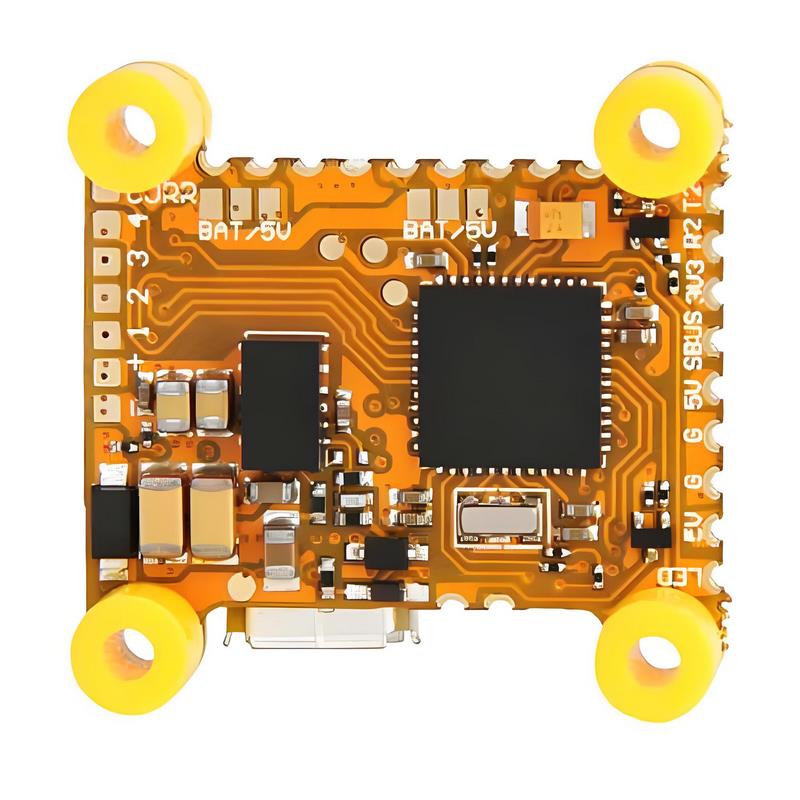
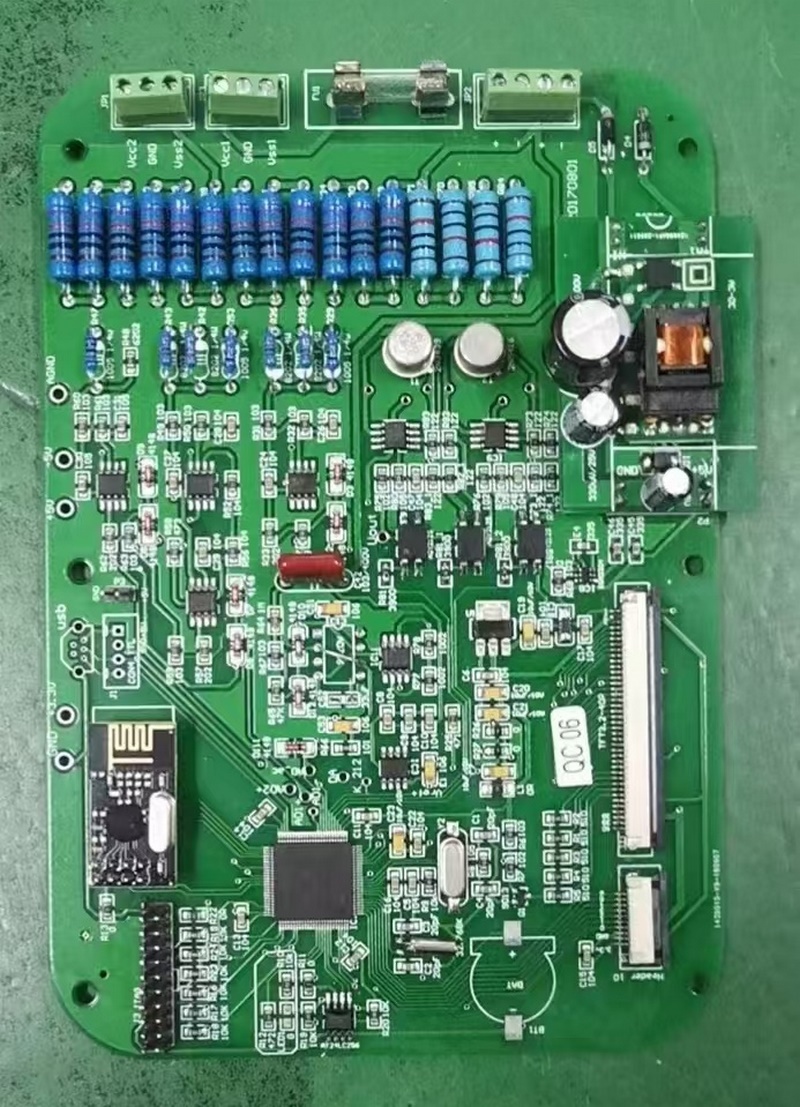
PCB assembly plays a critical role in the development of AIoT devices. A well-designed PCB serves as the backbone of any electronic device, ensuring that components communicate seamlessly and efficiently. The assembly process involves soldering components onto the PCB, which must be executed with precision to guarantee optimal performance. As devices become more complex, the assembly process must adapt, incorporating advanced techniques such as surface mount technology (SMT) and through-hole technology (THT).
One of the most significant advantages of AIoT is its ability to facilitate real-time communication. By embedding intelligent algorithms within devices, AIoT allows for data collection, processing, and response without human intervention. This autonomy relies heavily on effective PCB assembly, as the quality of the circuit board directly influences the device's functionality. High-precision PCB assembly ensures that the components can handle the rapid data exchange required by AI applications, leading to enhanced performance and reliability.
Moreover, the integration of AI into IoT devices opens new avenues for communication. For instance, smart home devices can learn user preferences and optimize energy consumption accordingly. This functionality is made possible through sophisticated PCB assembly that supports advanced sensors and processors. As more industries adopt AIoT technology, the demand for specialized PCB assembly services will likely increase, driving innovation in manufacturing processes.
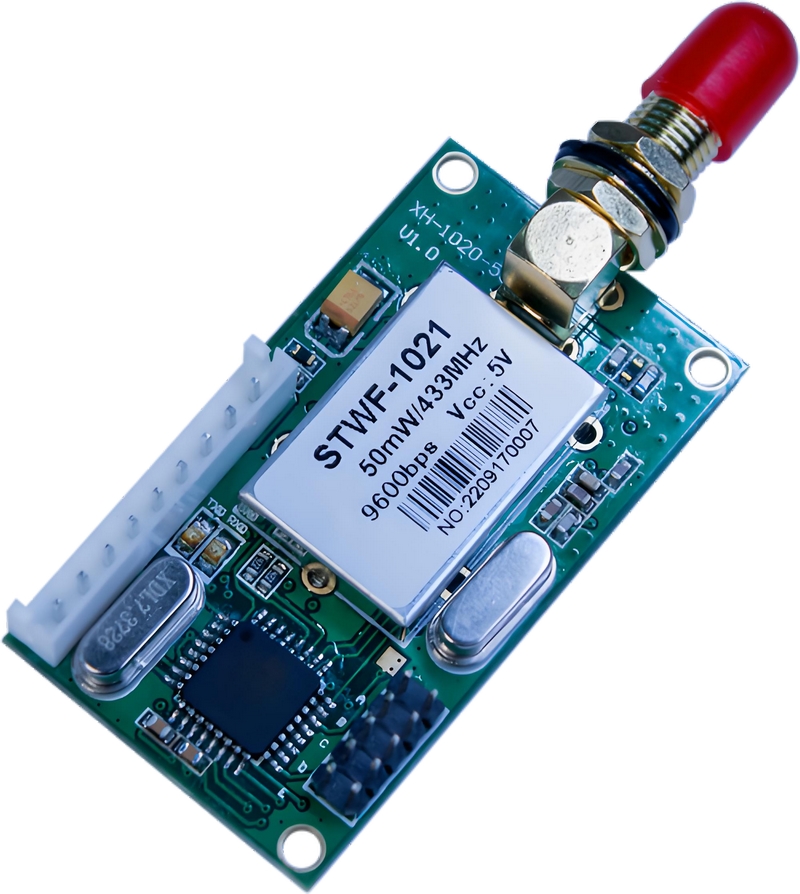
Additionally, the significance of communication in AIoT extends beyond mere functionality. Effective communication protocols are essential for ensuring that devices can interact with one another and with users. This is where the role of PCB assembly becomes even more crucial, as it must support various communication standards such as Wi-Fi, Bluetooth, and Zigbee. The choice of materials and design specifications in PCB assembly can significantly impact the communication range and speed, making it imperative to consider these factors during the design phase.
In summary, the synergy between communication technology and AIoT through PCB assembly is pivotal for the advancement of connected devices. By ensuring that the assembly process is efficient and utilizes cutting-edge techniques, manufacturers can create devices that not only meet current demands but also pave the way for future innovations. As the landscape of technology continues to evolve, staying at the forefront of PCB assembly practices will be essential for success in the AIoT arena.
PCB assembly plays a critical role in the development of AIoT devices. A well-designed PCB serves as the backbone of any electronic device, ensuring that components communicate seamlessly and efficiently. The assembly process involves soldering components onto the PCB, which must be executed with precision to guarantee optimal performance. As devices become more complex, the assembly process must adapt, incorporating advanced techniques such as surface mount technology (SMT) and through-hole technology (THT).
One of the most significant advantages of AIoT is its ability to facilitate real-time communication. By embedding intelligent algorithms within devices, AIoT allows for data collection, processing, and response without human intervention. This autonomy relies heavily on effective PCB assembly, as the quality of the circuit board directly influences the device's functionality. High-precision PCB assembly ensures that the components can handle the rapid data exchange required by AI applications, leading to enhanced performance and reliability.
Moreover, the integration of AI into IoT devices opens new avenues for communication. For instance, smart home devices can learn user preferences and optimize energy consumption accordingly. This functionality is made possible through sophisticated PCB assembly that supports advanced sensors and processors. As more industries adopt AIoT technology, the demand for specialized PCB assembly services will likely increase, driving innovation in manufacturing processes.
Additionally, the significance of communication in AIoT extends beyond mere functionality. Effective communication protocols are essential for ensuring that devices can interact with one another and with users. This is where the role of PCB assembly becomes even more crucial, as it must support various communication standards such as Wi-Fi, Bluetooth, and Zigbee. The choice of materials and design specifications in PCB assembly can significantly impact the communication range and speed, making it imperative to consider these factors during the design phase.
In summary, the synergy between communication technology and AIoT through PCB assembly is pivotal for the advancement of connected devices. By ensuring that the assembly process is efficient and utilizes cutting-edge techniques, manufacturers can create devices that not only meet current demands but also pave the way for future innovations. As the landscape of technology continues to evolve, staying at the forefront of PCB assembly practices will be essential for success in the AIoT arena.
Related news

Request A Quote
Please feel free to contact us at any time, and we will wholeheartedly provide you with the highest quality service and support.