




Ask For A Quick Quote
We will contact you within one working day. Please pay attention to your email.
Request a Sample
With the mission of “Smart Manufacturing - Global Delivery”, we help our customers shorten the time-to-market and optimize the supply chain cost through continuous technology iteration and digital upgrading. We look forward to working with you to define the future of electronic manufacturing!
- Technology Driven Intelligent Manufacturing
- Full-process quality control
- In-depth industry experience
- Agile Service Network
Understanding Elevator Control PCB Assembly: Essentials for the Electronics Industry
2026-04-11
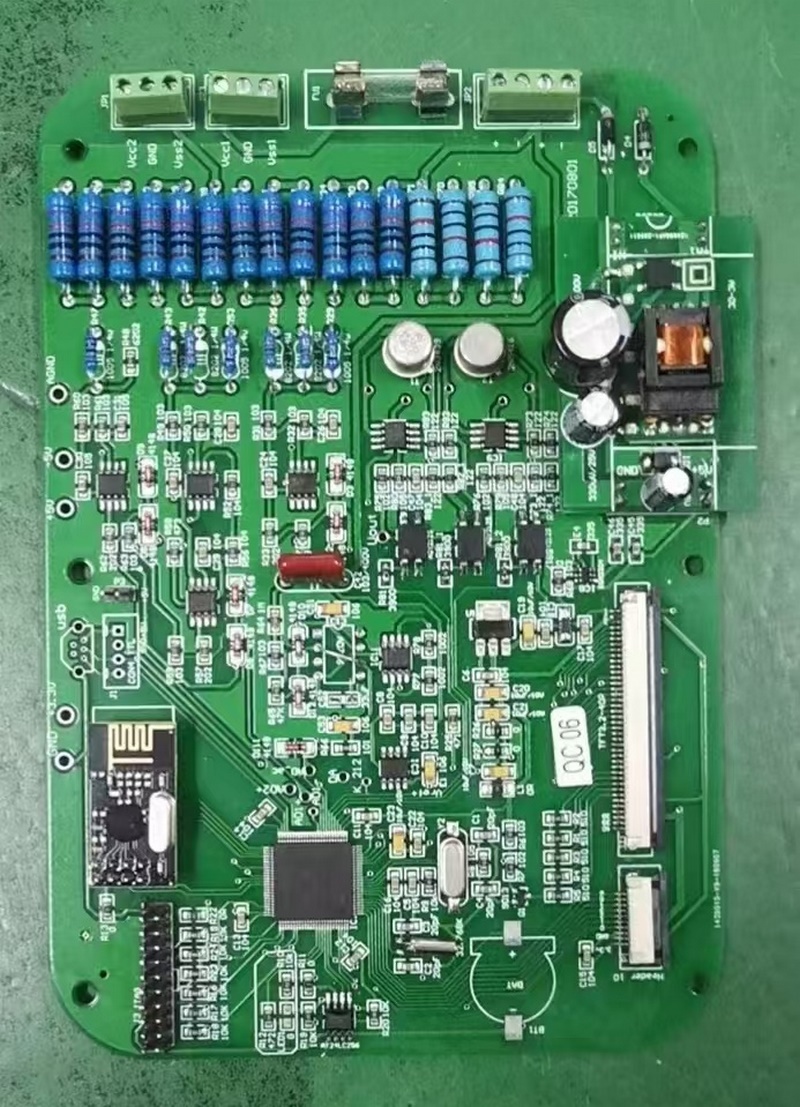
Elevator Control PCB Assembly is a vital component in the design and operation of modern elevator systems. The printed circuit board (PCB) serves as the backbone for integrating the various electronic components required to ensure the smooth and safe operation of elevators. In this article, we will explore the key aspects of Elevator Control PCB Assembly that professionals in the electronics industry should be aware of.
First and foremost, understanding the specific requirements of elevator control systems is crucial. These systems demand high reliability and durability due to their application in vertical transportation, where safety is paramount. The PCB must be designed to withstand the environmental conditions often encountered in elevator shafts, such as temperature fluctuations, humidity, and potential vibrations. This is where selecting the right materials and components becomes critical. For instance, using high-quality substrates and robust soldering techniques can significantly enhance the PCB's longevity.
Another important aspect to consider is the design process of the Elevator Control PCB Assembly. This process typically involves several stages, including schematic design, PCB layout, fabrication, and assembly. During the schematic design phase, it is essential to accurately map out the electrical connections and functionalities of the components. A well-thought-out layout, on the other hand, will help minimize noise interference and improve signal integrity, which are crucial for the reliable operation of control systems.
In addition, adhering to industry standards during the manufacturing process is essential. Compliance with standards such as IPC-A-610 for workmanship and IPC-2221 for design can help ensure that the elevator control PCBs meet the required safety and performance specifications. Implementing rigorous testing protocols, including functional, thermal, and stress testing, can further validate the assembly's reliability before deployment.
Moreover, the integration of advanced technologies, such as IoT (Internet of Things) capabilities, is becoming increasingly prevalent in elevator systems. This requires the Elevator Control PCB Assembly to not only manage traditional control functions but also facilitate real-time monitoring and predictive maintenance. As such, incorporating wireless communication modules and sensors can enhance the functionality of the elevator control system.
In summary, Elevator Control PCB Assembly plays a crucial role in the safe and efficient operation of elevators. By understanding the specific requirements, focusing on quality design and manufacturing practices, and embracing technological advancements, professionals in the electronics components sector can significantly enhance the performance and reliability of their elevator control systems.
First and foremost, understanding the specific requirements of elevator control systems is crucial. These systems demand high reliability and durability due to their application in vertical transportation, where safety is paramount. The PCB must be designed to withstand the environmental conditions often encountered in elevator shafts, such as temperature fluctuations, humidity, and potential vibrations. This is where selecting the right materials and components becomes critical. For instance, using high-quality substrates and robust soldering techniques can significantly enhance the PCB's longevity.
Another important aspect to consider is the design process of the Elevator Control PCB Assembly. This process typically involves several stages, including schematic design, PCB layout, fabrication, and assembly. During the schematic design phase, it is essential to accurately map out the electrical connections and functionalities of the components. A well-thought-out layout, on the other hand, will help minimize noise interference and improve signal integrity, which are crucial for the reliable operation of control systems.
In addition, adhering to industry standards during the manufacturing process is essential. Compliance with standards such as IPC-A-610 for workmanship and IPC-2221 for design can help ensure that the elevator control PCBs meet the required safety and performance specifications. Implementing rigorous testing protocols, including functional, thermal, and stress testing, can further validate the assembly's reliability before deployment.
Moreover, the integration of advanced technologies, such as IoT (Internet of Things) capabilities, is becoming increasingly prevalent in elevator systems. This requires the Elevator Control PCB Assembly to not only manage traditional control functions but also facilitate real-time monitoring and predictive maintenance. As such, incorporating wireless communication modules and sensors can enhance the functionality of the elevator control system.
In summary, Elevator Control PCB Assembly plays a crucial role in the safe and efficient operation of elevators. By understanding the specific requirements, focusing on quality design and manufacturing practices, and embracing technological advancements, professionals in the electronics components sector can significantly enhance the performance and reliability of their elevator control systems.
Related news

Request A Quote
Please feel free to contact us at any time, and we will wholeheartedly provide you with the highest quality service and support.