




Ask For A Quick Quote
We will contact you within one working day. Please pay attention to your email.
Request a Sample
With the mission of “Smart Manufacturing - Global Delivery”, we help our customers shorten the time-to-market and optimize the supply chain cost through continuous technology iteration and digital upgrading. We look forward to working with you to define the future of electronic manufacturing!
- Technology Driven Intelligent Manufacturing
- Full-process quality control
- In-depth industry experience
- Agile Service Network
Understanding UAV PCB Assembly: A Key Component in Drone Technology
2026-04-05
Unmanned Aerial Vehicles (UAVs), commonly known as drones, have revolutionized various industries such as agriculture, surveillance, and logistics. At the heart of these advanced systems lies an essential component: the printed circuit board (PCB). Understanding UAV PCB assembly is crucial for anyone involved in electronics or drone technology, as it directly impacts the performance, reliability, and efficiency of UAVs.
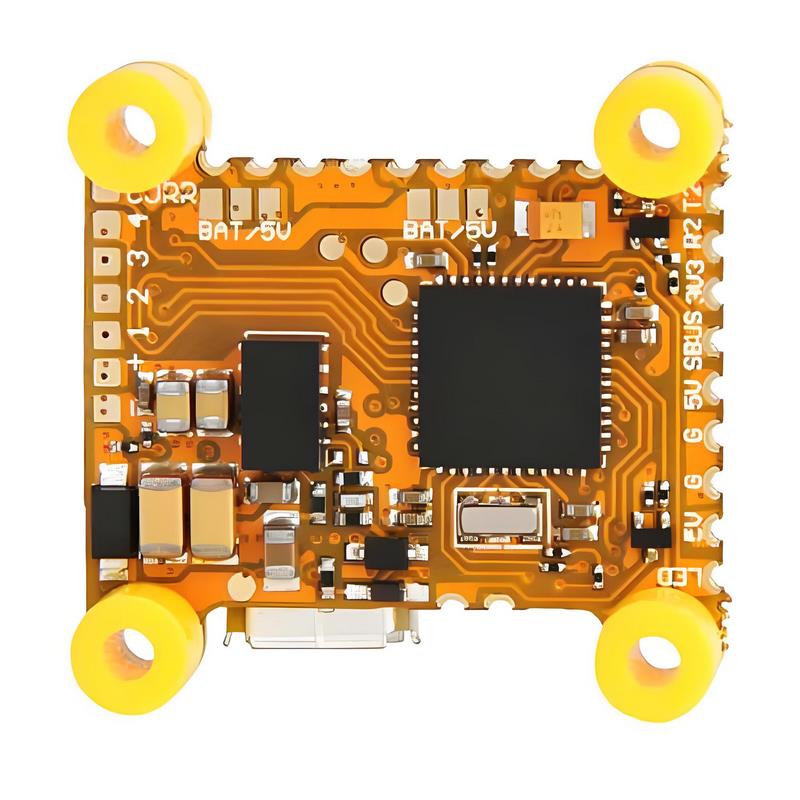
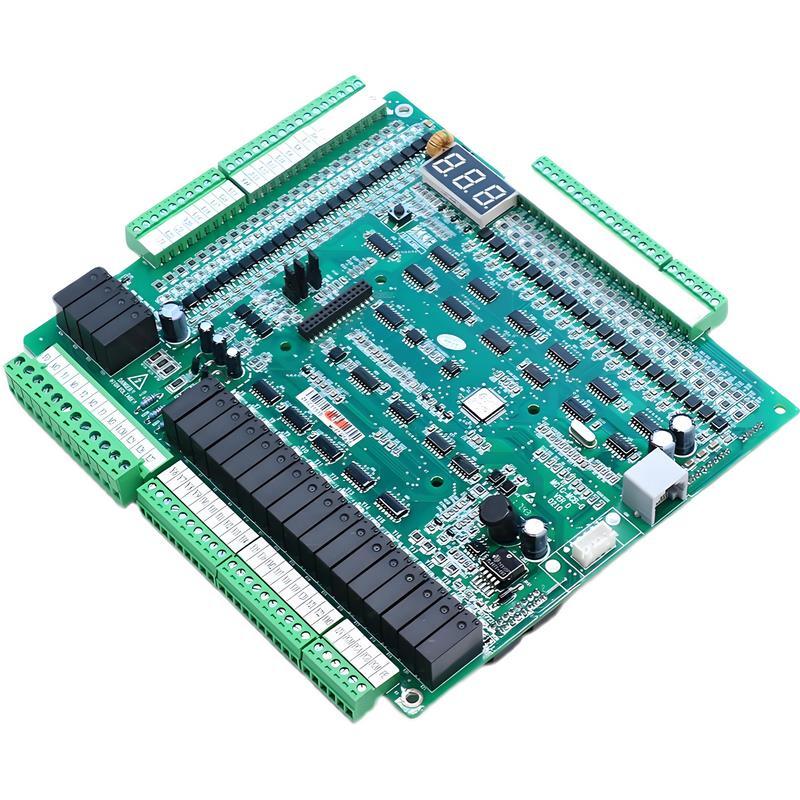
UAV PCB assembly involves the process of fabricating and assembling PCBs specifically designed for drone applications. A well-designed PCB ensures that the electronic components are optimally placed and interconnected, which is vital for the functionality of the UAV. The assembly process includes several steps, from designing the PCB layout to soldering components and testing the final product. Each step requires precision and expertise to meet the high demands of UAV operation.
One of the primary considerations in UAV PCB assembly is the weight of the components. Since UAVs rely on aerodynamics and battery efficiency, minimizing the weight of the PCB and its components is critical. Manufacturers often use lightweight materials and surface mount technology (SMT) to achieve this goal, allowing for more efficient flight and longer battery life. Additionally, the design must accommodate various sensors, communication modules, and power management systems, which are integral to UAV functionality.
Another important aspect is the durability of the PCBs used in UAVs. Drones often operate in challenging environments, which means that the PCBs must be resistant to temperature fluctuations, moisture, and vibrations. Advanced manufacturing techniques, such as conformal coating, can be applied to the PCBs to enhance their resistance to environmental factors, ensuring reliability during operation.
Thermal management is also a key consideration in UAV PCB assembly. Drones often work in various temperature conditions, and the components onboard can generate heat during use. Proper thermal management techniques, such as heat sinks and thermal vias, help dissipate heat effectively, preventing overheating and potential failures.
In conclusion, UAV PCB assembly is a critical aspect of drone technology that requires meticulous attention to detail and a deep understanding of electronic components. By focusing on lightweight designs, durability, and effective thermal management, manufacturers can produce high-quality PCBs that enhance UAV performance and reliability. As the drone industry continues to evolve, the importance of advanced PCB assembly processes will only grow, making this knowledge crucial for anyone involved in the field.
UAV PCB assembly involves the process of fabricating and assembling PCBs specifically designed for drone applications. A well-designed PCB ensures that the electronic components are optimally placed and interconnected, which is vital for the functionality of the UAV. The assembly process includes several steps, from designing the PCB layout to soldering components and testing the final product. Each step requires precision and expertise to meet the high demands of UAV operation.
One of the primary considerations in UAV PCB assembly is the weight of the components. Since UAVs rely on aerodynamics and battery efficiency, minimizing the weight of the PCB and its components is critical. Manufacturers often use lightweight materials and surface mount technology (SMT) to achieve this goal, allowing for more efficient flight and longer battery life. Additionally, the design must accommodate various sensors, communication modules, and power management systems, which are integral to UAV functionality.
Another important aspect is the durability of the PCBs used in UAVs. Drones often operate in challenging environments, which means that the PCBs must be resistant to temperature fluctuations, moisture, and vibrations. Advanced manufacturing techniques, such as conformal coating, can be applied to the PCBs to enhance their resistance to environmental factors, ensuring reliability during operation.
Thermal management is also a key consideration in UAV PCB assembly. Drones often work in various temperature conditions, and the components onboard can generate heat during use. Proper thermal management techniques, such as heat sinks and thermal vias, help dissipate heat effectively, preventing overheating and potential failures.
In conclusion, UAV PCB assembly is a critical aspect of drone technology that requires meticulous attention to detail and a deep understanding of electronic components. By focusing on lightweight designs, durability, and effective thermal management, manufacturers can produce high-quality PCBs that enhance UAV performance and reliability. As the drone industry continues to evolve, the importance of advanced PCB assembly processes will only grow, making this knowledge crucial for anyone involved in the field.
Related news

Request A Quote
Please feel free to contact us at any time, and we will wholeheartedly provide you with the highest quality service and support.