




Ask For A Quick Quote
We will contact you within one working day. Please pay attention to your email.
Request a Sample
With the mission of “Smart Manufacturing - Global Delivery”, we help our customers shorten the time-to-market and optimize the supply chain cost through continuous technology iteration and digital upgrading. We look forward to working with you to define the future of electronic manufacturing!
- Technology Driven Intelligent Manufacturing
- Full-process quality control
- In-depth industry experience
- Agile Service Network
Understanding Elevator Control PCB Assembly: Key Insights for Electronics Professionals
2026-03-12
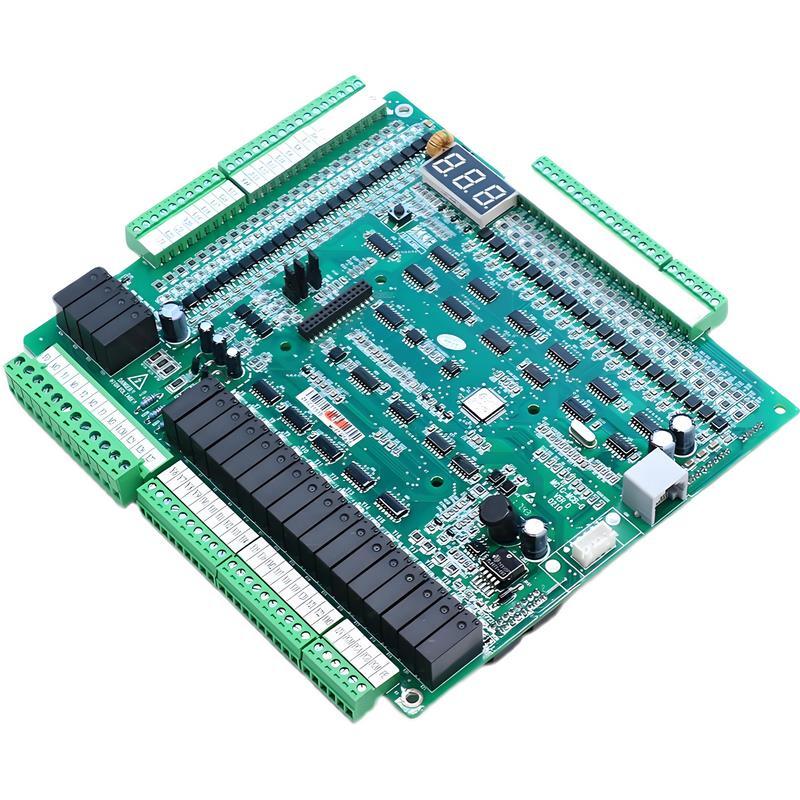
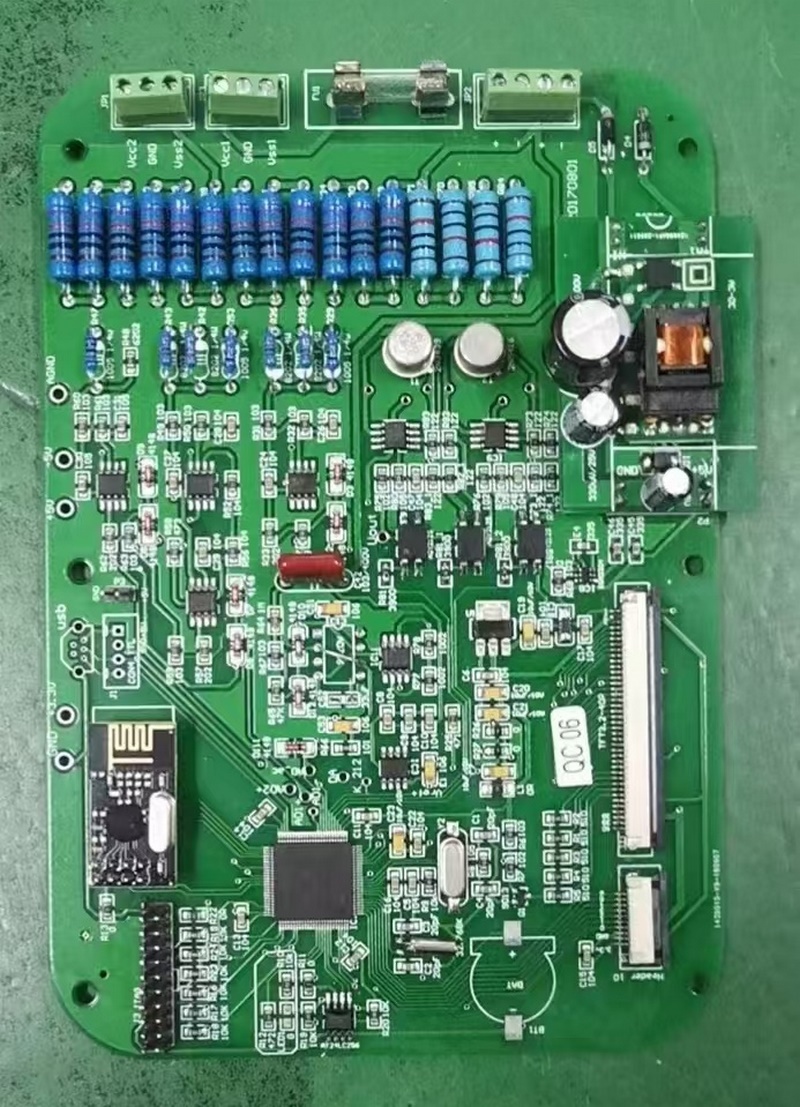
Elevator Control PCB Assembly is a vital component in modern elevator systems, responsible for managing the various functions of an elevator, including movement, stopping, door operation, and safety features. The design and assembly of these printed circuit boards (PCBs) require a deep understanding of both electronic engineering and the specific needs of elevator systems.
One of the primary functions of Elevator Control PCB Assembly is to integrate various sensors and actuators that ensure smooth and safe elevator operations. Sensors detect the position of the elevator, while actuators control the motor based on this information. The accuracy and reliability of these components are crucial; hence, the PCB must be designed with precision to allow seamless communication between all parts.
When designing a PCB for elevator control, several factors must be taken into account. First, the operating environment is critical. Elevators are typically installed in various settings, from residential buildings to skyscrapers and industrial complexes. The PCB must be resilient to temperature fluctuations, humidity, and potential electromagnetic interference, which can affect the functionality and safety of the elevator system.
Moreover, safety standards play a significant role in the design and assembly of Elevator Control PCBs. Compliance with international safety regulations, such as the EN 81 standard in Europe or the ASME A17.1 in North America, is essential. These standards ensure that the elevator systems are safe for public use and minimize the risk of failures that could lead to accidents.
Another important aspect of Elevator Control PCB Assembly is the choice of components. Selecting high-quality components can significantly enhance the durability and efficiency of the elevator system. For instance, using advanced microcontrollers and robust connectors can improve the board's performance and lifespan.
Additionally, advancements in technology are constantly shaping the future of elevator control systems. The integration of IoT (Internet of Things) technology allows for remote monitoring and predictive maintenance, which can significantly reduce downtime and enhance user experience. As a professional in the electronics industry, staying updated on these technological advancements is crucial for maintaining competitiveness.
In summary, Elevator Control PCB Assembly is a complex yet fascinating field within the electronics industry. By understanding its components, design considerations, safety standards, and emerging technologies, professionals can better navigate this vital sector and contribute to the development of safer and more efficient elevator systems. Embracing continuous learning and adaptation will be key to thriving in this dynamic environment.
One of the primary functions of Elevator Control PCB Assembly is to integrate various sensors and actuators that ensure smooth and safe elevator operations. Sensors detect the position of the elevator, while actuators control the motor based on this information. The accuracy and reliability of these components are crucial; hence, the PCB must be designed with precision to allow seamless communication between all parts.
When designing a PCB for elevator control, several factors must be taken into account. First, the operating environment is critical. Elevators are typically installed in various settings, from residential buildings to skyscrapers and industrial complexes. The PCB must be resilient to temperature fluctuations, humidity, and potential electromagnetic interference, which can affect the functionality and safety of the elevator system.
Moreover, safety standards play a significant role in the design and assembly of Elevator Control PCBs. Compliance with international safety regulations, such as the EN 81 standard in Europe or the ASME A17.1 in North America, is essential. These standards ensure that the elevator systems are safe for public use and minimize the risk of failures that could lead to accidents.
Another important aspect of Elevator Control PCB Assembly is the choice of components. Selecting high-quality components can significantly enhance the durability and efficiency of the elevator system. For instance, using advanced microcontrollers and robust connectors can improve the board's performance and lifespan.
Additionally, advancements in technology are constantly shaping the future of elevator control systems. The integration of IoT (Internet of Things) technology allows for remote monitoring and predictive maintenance, which can significantly reduce downtime and enhance user experience. As a professional in the electronics industry, staying updated on these technological advancements is crucial for maintaining competitiveness.
In summary, Elevator Control PCB Assembly is a complex yet fascinating field within the electronics industry. By understanding its components, design considerations, safety standards, and emerging technologies, professionals can better navigate this vital sector and contribute to the development of safer and more efficient elevator systems. Embracing continuous learning and adaptation will be key to thriving in this dynamic environment.
Related news

Request A Quote
Please feel free to contact us at any time, and we will wholeheartedly provide you with the highest quality service and support.