




Ask For A Quick Quote
We will contact you within one working day. Please pay attention to your email.
Request a Sample
With the mission of “Smart Manufacturing - Global Delivery”, we help our customers shorten the time-to-market and optimize the supply chain cost through continuous technology iteration and digital upgrading. We look forward to working with you to define the future of electronic manufacturing!
- Technology Driven Intelligent Manufacturing
- Full-process quality control
- In-depth industry experience
- Agile Service Network
Exploring the Intricacies of Precision Instruments PCB Assembly
2026-03-30
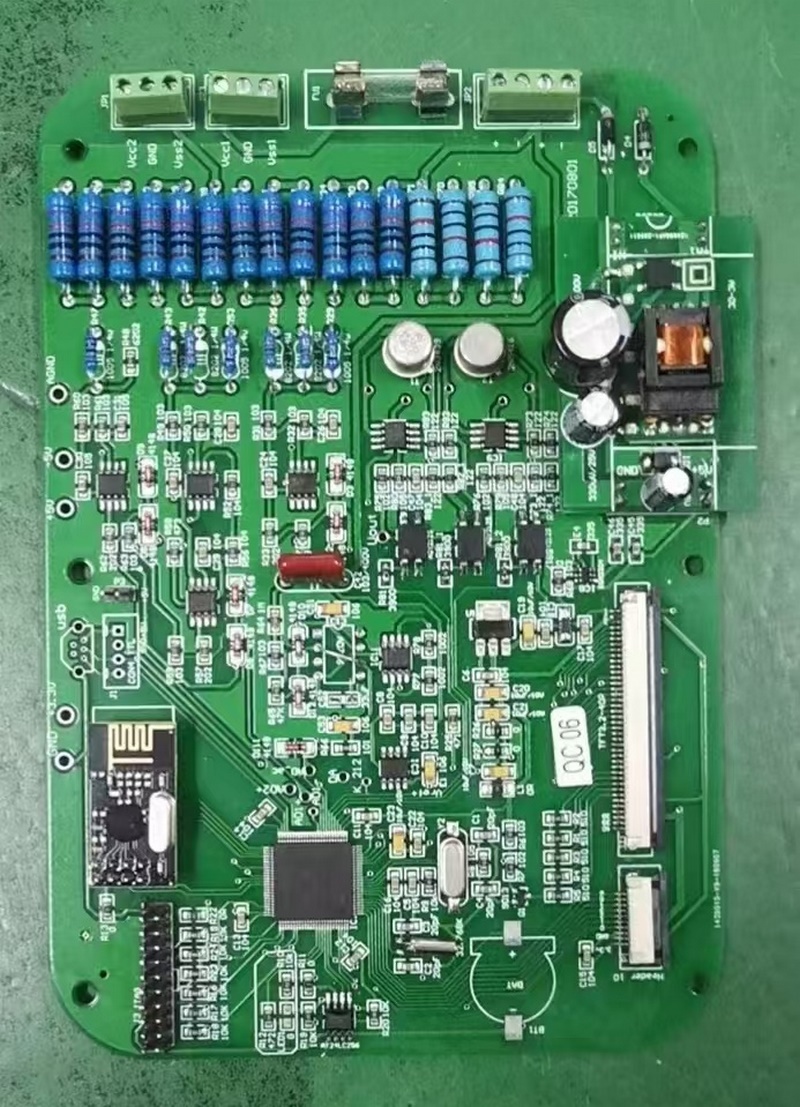
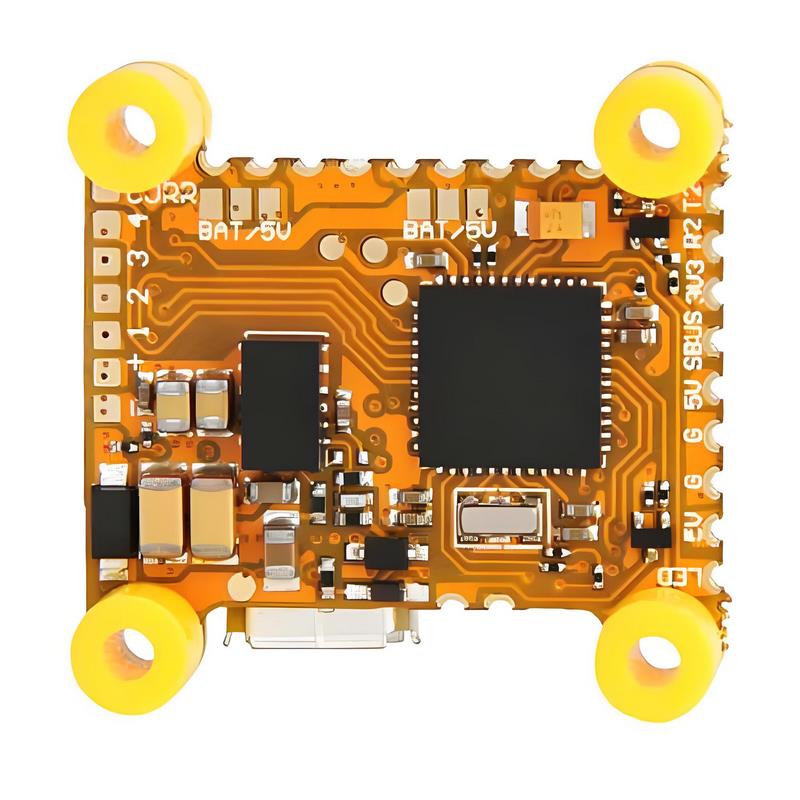
Precision Instruments PCB Assembly is a crucial process in the field of electronics, especially for companies focusing on the development and manufacturing of high-quality electronic components. This assembly technique is integral to ensuring that printed circuit boards (PCBs) are produced with precision and reliability, leading to enhanced performance of electronic devices.
At its core, PCB assembly involves the mounting of electronic components onto a PCB to create a functional electronic circuit. The assembly process can vary depending on the complexity and requirements of the device being developed. In the case of precision instruments, the emphasis is on achieving the highest standards of accuracy and reliability, which is essential for devices used in sensitive applications such as medical equipment, aerospace technology, and scientific instruments.
One of the primary benefits of Precision Instruments PCB Assembly is the ability to create intricate and compact designs. Advanced assembly techniques such as surface mount technology (SMT) allow for smaller components to be placed precisely on the PCB. This is particularly important for modern electronic devices, which often require miniaturization without compromising performance. The use of automated assembly machines further enhances the precision of the placement process, reducing the likelihood of human error and increasing production efficiency.
Moreover, the quality of the materials used in Precision Instruments PCB Assembly plays a significant role in the overall performance of the final product. High-quality substrates, solder, and components contribute to the durability and longevity of the assembled PCBs. It is also essential to conduct rigorous testing and quality control during the assembly process to ensure that each board meets the required specifications and standards.
Another critical aspect of Precision Instruments PCB Assembly is the ability to customize designs according to specific application needs. Engineers can design PCBs that cater to unique requirements, such as specific shapes, sizes, or functionalities. This versatility allows for the development of specialized instruments that can operate under various conditions while maintaining accuracy.
In summary, Precision Instruments PCB Assembly is a vital process that significantly impacts the performance and reliability of electronic devices. By focusing on precision and quality, manufacturers can produce high-functioning devices that meet the stringent demands of various industries. Understanding this process is essential for anyone involved in the design or production of electronic components, as it lays the groundwork for innovation and advancement in technology.
At its core, PCB assembly involves the mounting of electronic components onto a PCB to create a functional electronic circuit. The assembly process can vary depending on the complexity and requirements of the device being developed. In the case of precision instruments, the emphasis is on achieving the highest standards of accuracy and reliability, which is essential for devices used in sensitive applications such as medical equipment, aerospace technology, and scientific instruments.
One of the primary benefits of Precision Instruments PCB Assembly is the ability to create intricate and compact designs. Advanced assembly techniques such as surface mount technology (SMT) allow for smaller components to be placed precisely on the PCB. This is particularly important for modern electronic devices, which often require miniaturization without compromising performance. The use of automated assembly machines further enhances the precision of the placement process, reducing the likelihood of human error and increasing production efficiency.
Moreover, the quality of the materials used in Precision Instruments PCB Assembly plays a significant role in the overall performance of the final product. High-quality substrates, solder, and components contribute to the durability and longevity of the assembled PCBs. It is also essential to conduct rigorous testing and quality control during the assembly process to ensure that each board meets the required specifications and standards.
Another critical aspect of Precision Instruments PCB Assembly is the ability to customize designs according to specific application needs. Engineers can design PCBs that cater to unique requirements, such as specific shapes, sizes, or functionalities. This versatility allows for the development of specialized instruments that can operate under various conditions while maintaining accuracy.
In summary, Precision Instruments PCB Assembly is a vital process that significantly impacts the performance and reliability of electronic devices. By focusing on precision and quality, manufacturers can produce high-functioning devices that meet the stringent demands of various industries. Understanding this process is essential for anyone involved in the design or production of electronic components, as it lays the groundwork for innovation and advancement in technology.
Related news

Request A Quote
Please feel free to contact us at any time, and we will wholeheartedly provide you with the highest quality service and support.