




Ask For A Quick Quote
We will contact you within one working day. Please pay attention to your email.
Request a Sample
With the mission of “Smart Manufacturing - Global Delivery”, we help our customers shorten the time-to-market and optimize the supply chain cost through continuous technology iteration and digital upgrading. We look forward to working with you to define the future of electronic manufacturing!
- Technology Driven Intelligent Manufacturing
- Full-process quality control
- In-depth industry experience
- Agile Service Network
The Interconnection of UAV Technology Progress and PCB Assembly: A Comprehensive Exploration
2026-03-21
The Interconnection of UAV Technology Advancements and PCB Assembly
Table of Contents
- Understanding UAV Technology
- The Importance of PCB in UAVs
- Recent Innovations in UAV Technology
- How PCB Assembly Supports UAV Advancements
- Challenges in PCB Assembly for UAVs
- Future Trends in UAV Technology and PCB Assembly
- Best Practices for PCB Assembly in UAVs
- FAQs About UAV Technology and PCB Assembly
- Conclusion
Understanding UAV Technology
Unmanned Aerial Vehicles (UAVs), commonly known as drones, represent a significant leap in aerospace technology. These vehicles operate without a human pilot onboard and are controlled remotely or autonomously via onboard computers. As the demand for UAV applications spans multiple industries—from agriculture to surveillance and delivery services—understanding the technical underpinnings of UAV technology becomes essential. UAVs are equipped with various sensors, cameras, and communication systems, all of which require sophisticated electronic components working seamlessly together.
The Importance of PCB in UAVs
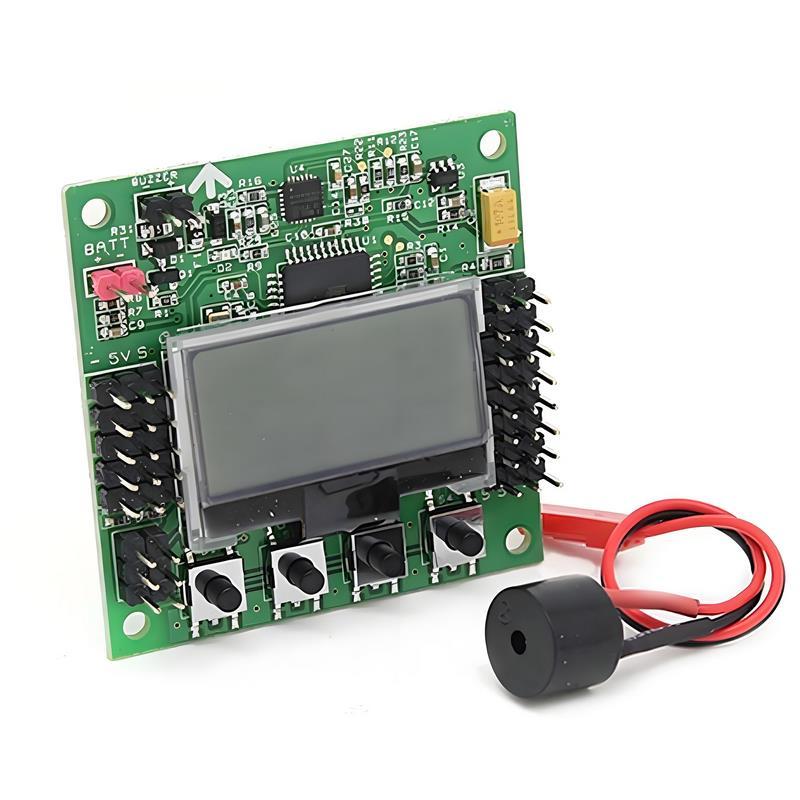
At the heart of any UAV lies its printed circuit board (PCB), which serves as the backbone for electronic connections and functionalities. PCBs are integral in transporting signals and power between components, ensuring that sensors, accelerators, GPS units, and communication devices function harmoniously. As UAV technology continues to evolve, so too does the complexity and functionality of the PCBs that support them.
What Is PCB Assembly?
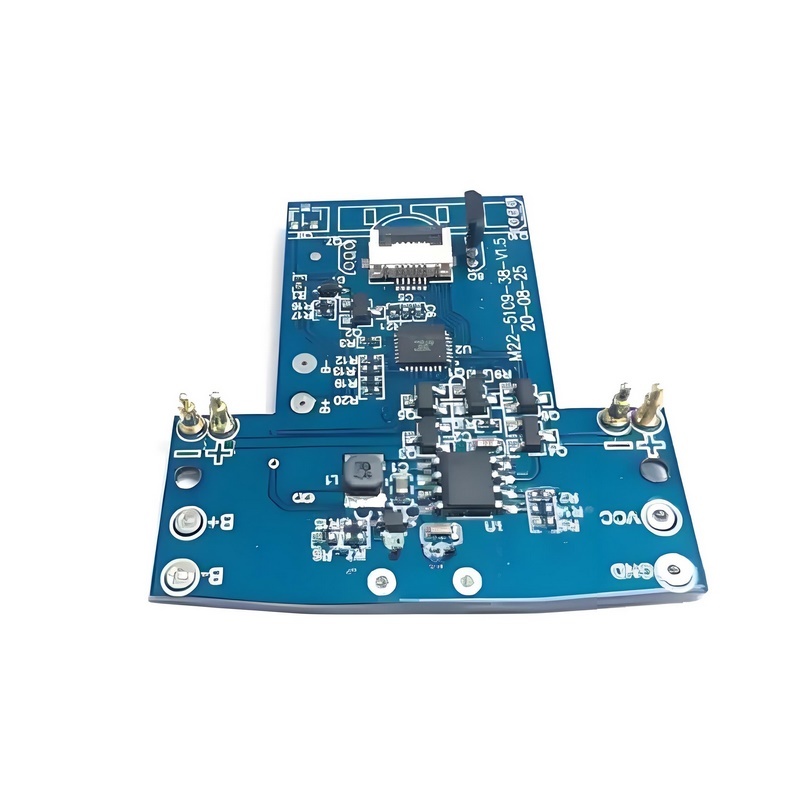
PCB assembly involves the process of soldering components onto a printed circuit board, creating a functional electronic circuit. This process can vary greatly depending on the specific requirements of the UAV, including size, weight, and the complexity of the circuitry. Efficient PCB assembly is crucial for enhancing the reliability and performance of UAVs, making it a vital aspect of UAV manufacturing.
Recent Innovations in UAV Technology
Recent advancements in UAV technology have been transformative, leading to increased capabilities and applications. These innovations include enhanced flight stability, improved battery life, and advanced payload capabilities. Additionally, the integration of artificial intelligence (AI) and machine learning (ML) into UAV systems has enabled smarter navigation and operational efficiencies, allowing for more autonomous flight operations.
Emerging Trends in UAV Applications
From agriculture to disaster response, the applications of UAV technology are expanding rapidly. Precision farming, for instance, utilizes UAVs equipped with multispectral sensors to monitor crop health, optimizing yield through data-driven insights. Furthermore, the logistics sector is harnessing UAVs for last-mile deliveries, showcasing the versatility and potential of UAV technology.
How PCB Assembly Supports UAV Advancements
The advancements in UAV technology necessitate corresponding developments in PCB assembly processes. As UAVs become more complex, the demand for sophisticated PCBs that can support advanced features, such as high-speed data transmission and miniaturization, increases. Innovations in PCB design and assembly techniques directly influence the performance and capabilities of UAVs.
Custom PCB Solutions for UAVs
Custom PCB solutions are becoming more prevalent in the UAV industry. These tailored PCBs cater to specific operational requirements, offering enhanced performance characteristics. For example, PCBs designed for high-frequency applications can support advanced communication systems, while those focused on miniaturization can help reduce the overall weight of UAVs, enhancing their flight efficiency.
Challenges in PCB Assembly for UAVs
Despite the advances in PCB technology, several challenges persist in the assembly process for UAVs. One significant challenge is ensuring the durability and reliability of PCBs in various environments, especially in extreme weather conditions or rugged terrains. Additionally, the miniaturization trend poses manufacturing challenges, as smaller components can complicate the assembly process.
Quality Control in PCB Assembly
Quality control is paramount in PCB assembly, particularly for UAV applications where failures can lead to severe consequences. Implementing rigorous testing procedures, such as thermal cycling and vibration testing, ensures that PCBs can withstand the operational stresses they encounter during flight.
Future Trends in UAV Technology and PCB Assembly
The future of UAV technology is promising, with continuous innovations on the horizon. As UAVs integrate more sophisticated technology, the role of PCB assembly will become increasingly critical. Future trends may include the adoption of flexible PCBs, which can conform to the dynamic shapes of UAVs, as well as the use of advanced materials that enhance performance while minimizing weight.
The Role of AI in PCB Design and Assembly
Artificial intelligence is set to revolutionize PCB design and assembly processes. By leveraging AI, manufacturers can optimize layout designs, predict failures, and streamline production processes. This will not only enhance the efficiency of PCB assembly but also improve the reliability of UAVs in the field.
Best Practices for PCB Assembly in UAVs
To ensure optimal performance and reliability of UAVs, adhering to best practices in PCB assembly is crucial. These practices include:
- Design for Manufacturability (DFM): Incorporating design principles that facilitate easier assembly and reduce production costs.
- Component Selection: Choosing high-quality components that meet the specific requirements of UAV applications.
- Testing and Validation: Implementing thorough testing protocols to ensure the functionality and durability of PCBs.
- Continuous Improvement: Regularly evaluating and refining assembly processes based on feedback and technological advancements.
FAQs About UAV Technology and PCB Assembly
What are UAVs used for?
UAVs are utilized in various applications, including agriculture, surveillance, delivery services, and emergency response, among others.
Why is PCB assembly important for UAVs?
PCB assembly is essential for ensuring that all electronic components in a UAV function correctly and reliably, enabling seamless operation.
What challenges does PCB assembly face in UAV production?
Challenges include maintaining durability under extreme conditions, managing miniaturization, and ensuring quality control during assembly.
How does AI impact PCB design for UAVs?
AI enhances PCB design efficiency by optimizing layouts, predicting potential failures, and improving production processes.
What should I consider when choosing a PCB assembly service for UAVs?
Consider factors such as the service provider’s experience with UAVs, quality control practices, and their ability to produce custom PCB solutions tailored to specific needs.
Conclusion
The link between UAV technology advancements and PCB assembly is crucial for the future of drone applications across various industries. As UAVs continue to evolve, so must the technologies that support them, particularly in PCB assembly. By understanding the innovative trends, challenges, and best practices within this field, stakeholders can better position themselves for success in the fast-paced world of UAV technology. The synergy between these two domains underscores the importance of ongoing collaboration and innovation, paving the way for more advanced, reliable, and efficient UAV solutions.
Related news

Request A Quote
Please feel free to contact us at any time, and we will wholeheartedly provide you with the highest quality service and support.