




Ask For A Quick Quote
We will contact you within one working day. Please pay attention to your email.
Request a Sample
With the mission of “Smart Manufacturing - Global Delivery”, we help our customers shorten the time-to-market and optimize the supply chain cost through continuous technology iteration and digital upgrading. We look forward to working with you to define the future of electronic manufacturing!
- Technology Driven Intelligent Manufacturing
- Full-process quality control
- In-depth industry experience
- Agile Service Network
Enhancing Communication through AIoT PCB Assembly: A Gateway to the Future
2026-03-18
In the rapidly evolving landscape of technology, the intersection of Communication and AIoT (Artificial Intelligence of Things) is reshaping how we conceptualize electronic devices. At the core of this transformation lies PCB (Printed Circuit Board) assembly, which serves as the backbone for integrating advanced functionalities into everyday gadgets.
Communication technologies have become increasingly essential in our interconnected world. They facilitate the seamless exchange of data between devices, enabling smarter and more efficient systems. AIoT enhances this concept by incorporating artificial intelligence into IoT devices, enabling them to learn from user behavior, make decisions, and optimize performance without human intervention. This sophisticated level of communication requires innovative PCB assembly techniques to support the complex circuitry and components involved.
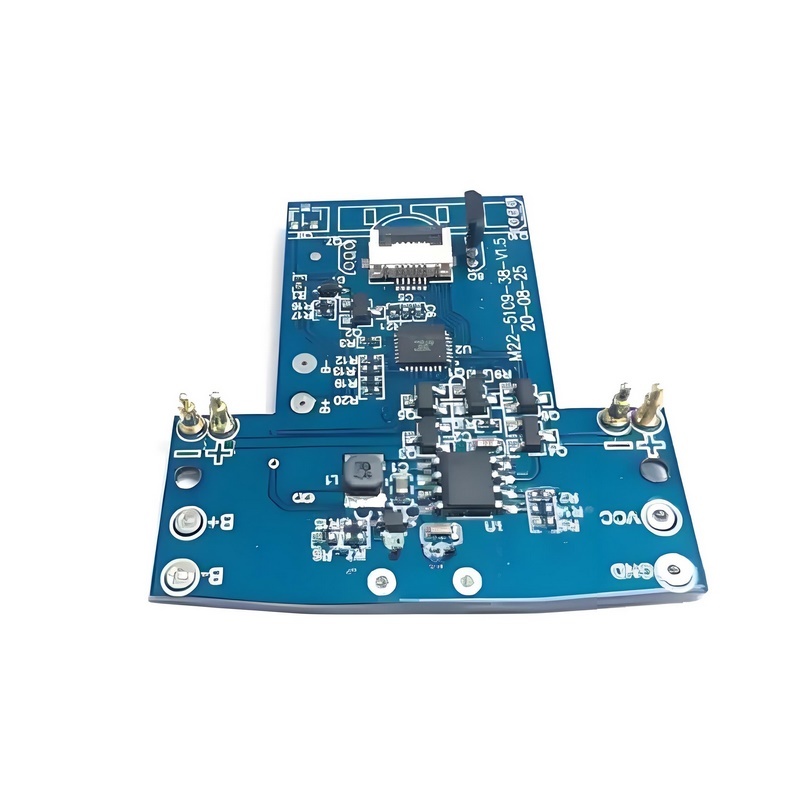
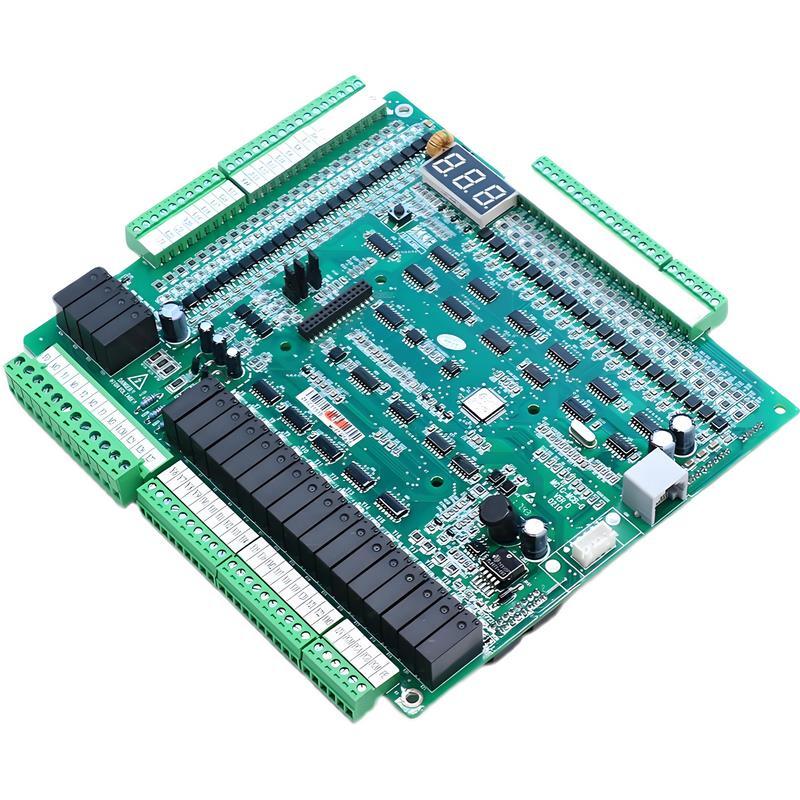
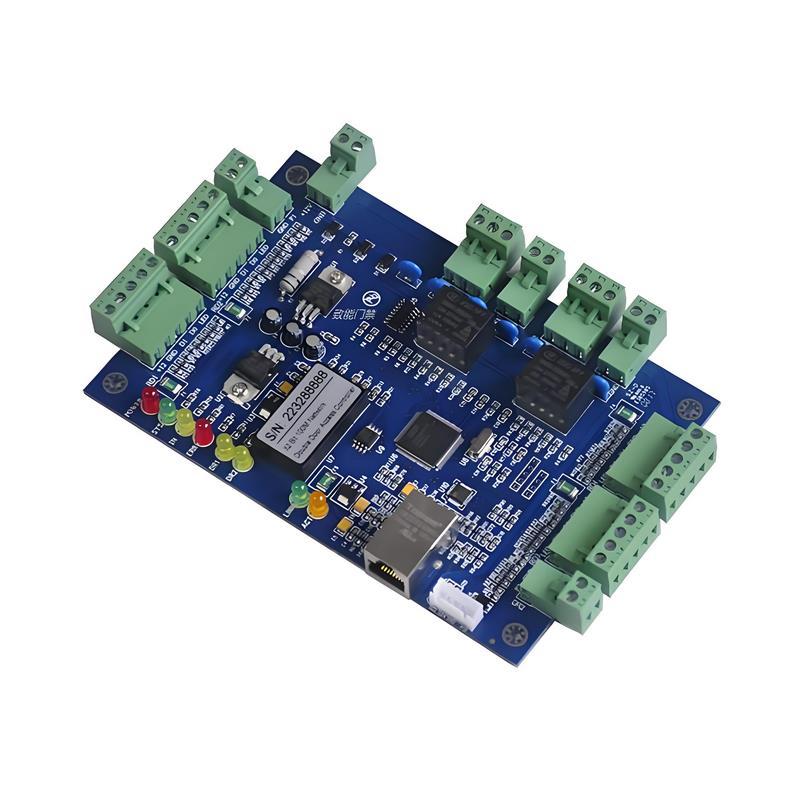
PCB assembly in the context of AIoT involves integrating various electronic components onto a single board, which can include sensors, microcontrollers, and communication interfaces. This integration is crucial for developing devices that can collect data, process it, and communicate actionable insights. For example, in smart home applications, AIoT-enabled devices can adapt to user preferences, improving energy efficiency and enhancing user experience.
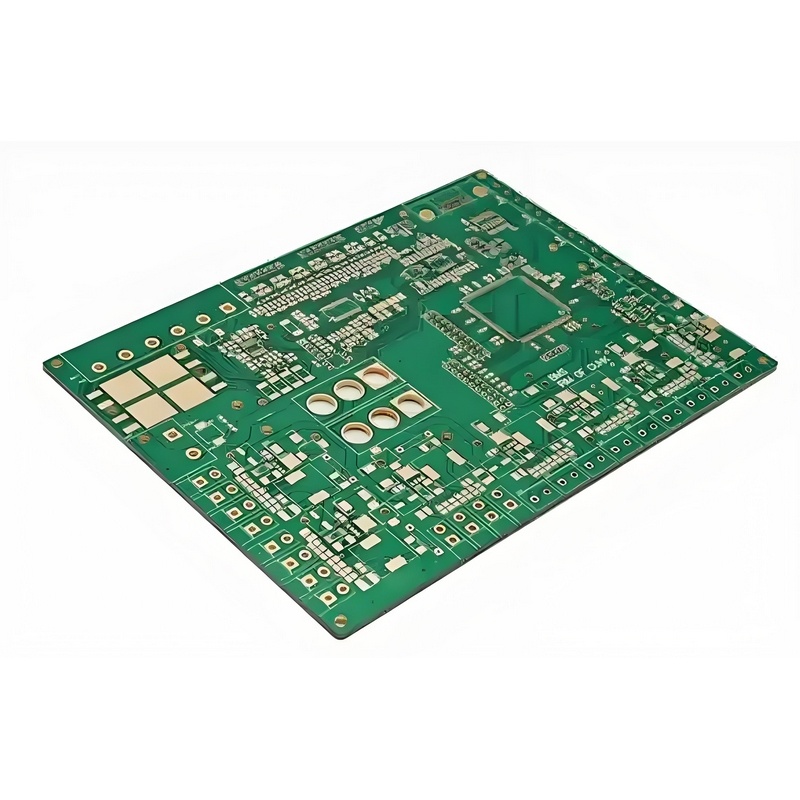
The assembly process itself must be precise and efficient to ensure reliability and performance. Modern techniques such as surface-mount technology (SMT) and through-hole technology are commonly employed in the production of PCBs. These methods allow for the miniaturization of components, essential for the compact designs that AIoT devices often require. Furthermore, the use of high-quality materials and advanced manufacturing processes ensures that these PCBs can withstand the varying environmental conditions they may encounter.
Moreover, effective communication is not limited to the devices themselves but extends to how they interact with users and other systems. Protocols such as MQTT (Message Queuing Telemetry Transport) and CoAP (Constrained Application Protocol) are widely used to enable efficient communication in IoT ecosystems. Understanding these protocols is vital for anyone involved in the design and assembly of AIoT devices, as they directly impact how well devices can share information and respond to commands.
As industries increasingly adopt AIoT technologies, the demand for reliable and efficient PCB assembly continues to grow. Professionals in electronics must stay informed about the latest advancements in both communication technologies and PCB manufacturing to remain competitive. By mastering these elements, they can contribute to the creation of innovative products that not only meet but exceed user expectations.
In conclusion, the synergy between Communication and AIoT PCB Assembly is a driving force behind the next wave of electronic devices. Embracing these technologies will not only enhance connectivity but also pave the way for smarter solutions across various sectors. Staying updated on these trends is essential for professionals looking to leverage the full potential of electronic innovations in their respective fields.
Communication technologies have become increasingly essential in our interconnected world. They facilitate the seamless exchange of data between devices, enabling smarter and more efficient systems. AIoT enhances this concept by incorporating artificial intelligence into IoT devices, enabling them to learn from user behavior, make decisions, and optimize performance without human intervention. This sophisticated level of communication requires innovative PCB assembly techniques to support the complex circuitry and components involved.
PCB assembly in the context of AIoT involves integrating various electronic components onto a single board, which can include sensors, microcontrollers, and communication interfaces. This integration is crucial for developing devices that can collect data, process it, and communicate actionable insights. For example, in smart home applications, AIoT-enabled devices can adapt to user preferences, improving energy efficiency and enhancing user experience.
The assembly process itself must be precise and efficient to ensure reliability and performance. Modern techniques such as surface-mount technology (SMT) and through-hole technology are commonly employed in the production of PCBs. These methods allow for the miniaturization of components, essential for the compact designs that AIoT devices often require. Furthermore, the use of high-quality materials and advanced manufacturing processes ensures that these PCBs can withstand the varying environmental conditions they may encounter.
Moreover, effective communication is not limited to the devices themselves but extends to how they interact with users and other systems. Protocols such as MQTT (Message Queuing Telemetry Transport) and CoAP (Constrained Application Protocol) are widely used to enable efficient communication in IoT ecosystems. Understanding these protocols is vital for anyone involved in the design and assembly of AIoT devices, as they directly impact how well devices can share information and respond to commands.
As industries increasingly adopt AIoT technologies, the demand for reliable and efficient PCB assembly continues to grow. Professionals in electronics must stay informed about the latest advancements in both communication technologies and PCB manufacturing to remain competitive. By mastering these elements, they can contribute to the creation of innovative products that not only meet but exceed user expectations.
In conclusion, the synergy between Communication and AIoT PCB Assembly is a driving force behind the next wave of electronic devices. Embracing these technologies will not only enhance connectivity but also pave the way for smarter solutions across various sectors. Staying updated on these trends is essential for professionals looking to leverage the full potential of electronic innovations in their respective fields.
Related news

Request A Quote
Please feel free to contact us at any time, and we will wholeheartedly provide you with the highest quality service and support.