




Ask For A Quick Quote
We will contact you within one working day. Please pay attention to your email.
Request a Sample
With the mission of “Smart Manufacturing - Global Delivery”, we help our customers shorten the time-to-market and optimize the supply chain cost through continuous technology iteration and digital upgrading. We look forward to working with you to define the future of electronic manufacturing!
- Technology Driven Intelligent Manufacturing
- Full-process quality control
- In-depth industry experience
- Agile Service Network
Understanding Elevator Control PCB Assembly: Key Insights for Industry Professionals
2026-06-10
Elevator control systems play a vital role in ensuring the safety, efficiency, and reliability of vertical transportation in buildings. At the heart of these systems is the Elevator Control PCB (Printed Circuit Board) Assembly, which serves as the brain of the elevator operation. Understanding the intricacies of Elevator Control PCB Assembly is essential for industry professionals involved in electronic components, particularly in the design, manufacturing, and maintenance of elevator systems.
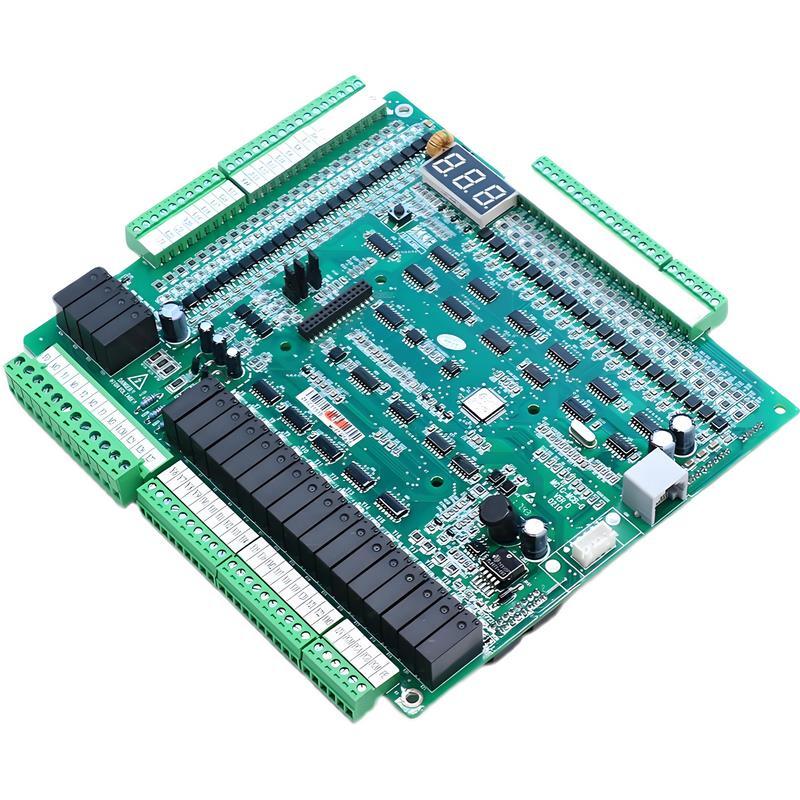
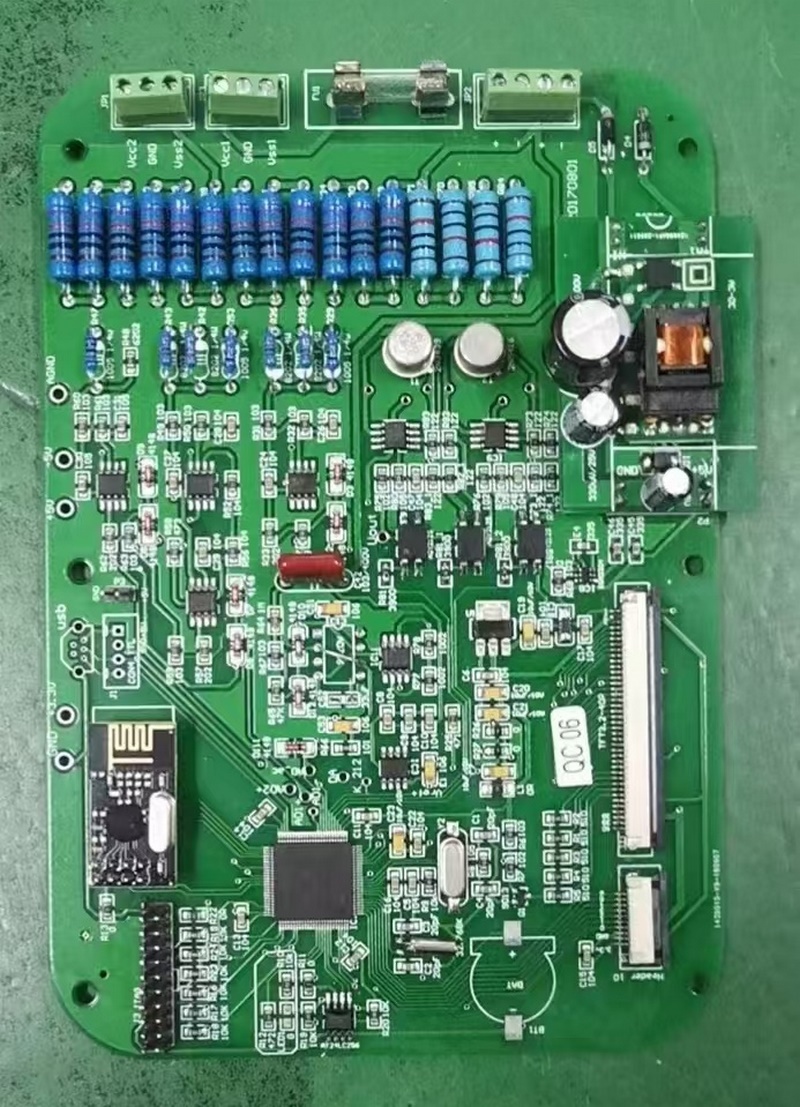
The Elevator Control PCB Assembly comprises various components, including microcontrollers, sensors, relays, and connectors. Each component has a specific function, such as controlling the motor operation, managing door functions, and processing user inputs. A well-designed PCB layout is crucial for minimizing electromagnetic interference (EMI) and ensuring signal integrity, particularly in environments where multiple electronic devices operate simultaneously.
One of the primary considerations during the design phase of Elevator Control PCB Assembly is the adherence to safety standards. Elevators must comply with local and international safety regulations, which often dictate certain design criteria. For instance, redundant systems may be integrated into the PCB design to maintain operational safety in the event of a component failure. The selection of components must also consider thermal management, as overheating can lead to malfunctions or reduced lifespan.
Another critical aspect is the testing and validation of the Elevator Control PCB Assembly. Before deployment, it undergoes rigorous testing, including functional tests, stress tests, and environmental tests to ensure reliability in various operating conditions. It’s essential to implement a robust quality control process during manufacturing to catch potential defects early and ensure that the final product meets specified performance criteria.
Moreover, advancements in technology are driving innovations in Elevator Control PCB Assembly. The incorporation of IoT (Internet of Things) technology allows for enhanced monitoring and control capabilities. For example, predictive maintenance can be achieved through real-time data collection, helping to anticipate failures before they occur. This leads to reduced downtime and improved service efficiency.
Industry professionals must stay updated on the latest trends and technologies in Elevator Control PCB Assembly to maintain a competitive edge. Continuous education and engagement with engineering communities can provide insights into best practices, emerging technologies, and evolving safety standards.
In conclusion, Elevator Control PCB Assembly is a complex yet fascinating area within the electronic components industry. Understanding its design, manufacturing, and testing processes is essential for professionals seeking to excel in this field. By focusing on safety, quality, and innovation, industry players can contribute to the development of safer and more efficient elevator systems that meet the demands of modern infrastructure.
The Elevator Control PCB Assembly comprises various components, including microcontrollers, sensors, relays, and connectors. Each component has a specific function, such as controlling the motor operation, managing door functions, and processing user inputs. A well-designed PCB layout is crucial for minimizing electromagnetic interference (EMI) and ensuring signal integrity, particularly in environments where multiple electronic devices operate simultaneously.
One of the primary considerations during the design phase of Elevator Control PCB Assembly is the adherence to safety standards. Elevators must comply with local and international safety regulations, which often dictate certain design criteria. For instance, redundant systems may be integrated into the PCB design to maintain operational safety in the event of a component failure. The selection of components must also consider thermal management, as overheating can lead to malfunctions or reduced lifespan.
Another critical aspect is the testing and validation of the Elevator Control PCB Assembly. Before deployment, it undergoes rigorous testing, including functional tests, stress tests, and environmental tests to ensure reliability in various operating conditions. It’s essential to implement a robust quality control process during manufacturing to catch potential defects early and ensure that the final product meets specified performance criteria.
Moreover, advancements in technology are driving innovations in Elevator Control PCB Assembly. The incorporation of IoT (Internet of Things) technology allows for enhanced monitoring and control capabilities. For example, predictive maintenance can be achieved through real-time data collection, helping to anticipate failures before they occur. This leads to reduced downtime and improved service efficiency.
Industry professionals must stay updated on the latest trends and technologies in Elevator Control PCB Assembly to maintain a competitive edge. Continuous education and engagement with engineering communities can provide insights into best practices, emerging technologies, and evolving safety standards.
In conclusion, Elevator Control PCB Assembly is a complex yet fascinating area within the electronic components industry. Understanding its design, manufacturing, and testing processes is essential for professionals seeking to excel in this field. By focusing on safety, quality, and innovation, industry players can contribute to the development of safer and more efficient elevator systems that meet the demands of modern infrastructure.
Related news

Request A Quote
Please feel free to contact us at any time, and we will wholeheartedly provide you with the highest quality service and support.