




Ask For A Quick Quote
We will contact you within one working day. Please pay attention to your email.
Request a Sample
With the mission of “Smart Manufacturing - Global Delivery”, we help our customers shorten the time-to-market and optimize the supply chain cost through continuous technology iteration and digital upgrading. We look forward to working with you to define the future of electronic manufacturing!
- Technology Driven Intelligent Manufacturing
- Full-process quality control
- In-depth industry experience
- Agile Service Network
Understanding UAV PCB Assembly: An Essential Component in Modern Drone Technology
2026-06-04
In the realm of unmanned aerial vehicles (UAVs), the assembly of printed circuit boards (PCBs) is a critical process that plays a pivotal role in ensuring the effective operation of these sophisticated machines. UAV PCB assembly involves the meticulous design and construction of circuits that manage and control various functionalities of the drone, including navigation, communication, and sensor integration.
One of the primary reasons UAVs have gained popularity across various sectors, from agriculture to military applications, is their ability to operate in diverse environments while performing complex tasks. The PCB assembly process is essential in ensuring that these drones can withstand the rigors of their operational conditions. High-quality materials and precise manufacturing techniques are crucial for creating PCBs that can endure vibrations, temperature fluctuations, and exposure to moisture.
The design phase of UAV PCB assembly begins with understanding the specific requirements of the drone's intended function. This includes determining the types of sensors that will be integrated, the communication systems required for data transmission, and the processing power needed to handle real-time data. A well-designed PCB must accommodate these components while maintaining a compact form factor to ensure the UAV remains lightweight and agile.
Moreover, the assembly process itself involves several critical steps, including surface mount technology (SMT) and through-hole technology. SMT is commonly used for modern UAVs due to its efficiency and ability to support high-density circuit layouts. As UAVs often operate in remote locations, reliability is paramount. Therefore, rigorous testing and quality control measures are implemented during the PCB assembly process to ensure that each component functions correctly and meets industry standards.
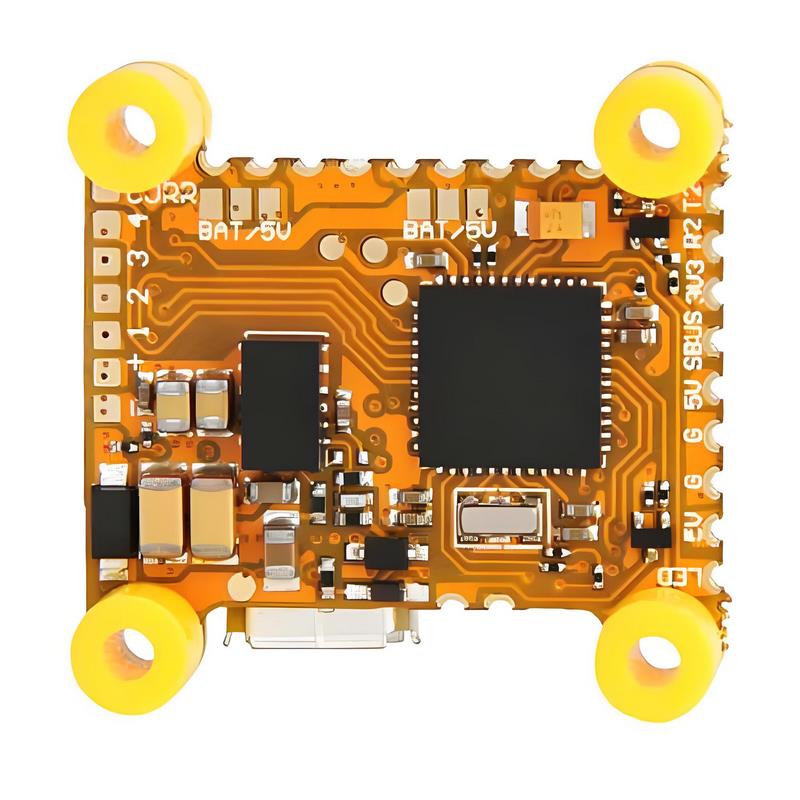
In addition, advancements in technology continually influence UAV PCB assembly techniques. The integration of advanced materials such as flexible and rigid-flex PCBs allows for innovative designs that can adapt to the unique geometries of various UAV models. Furthermore, the incorporation of automated assembly processes enhances precision and reduces production time, aiding in the rapid development of new UAV systems.
In conclusion, UAV PCB assembly is a fundamental aspect of modern drone technology, influencing their functionality, reliability, and overall performance. As the demand for UAVs continues to grow, understanding the complexities of PCB assembly will be vital for manufacturers and operators alike, ensuring that these versatile vehicles can meet the challenges of the future.
One of the primary reasons UAVs have gained popularity across various sectors, from agriculture to military applications, is their ability to operate in diverse environments while performing complex tasks. The PCB assembly process is essential in ensuring that these drones can withstand the rigors of their operational conditions. High-quality materials and precise manufacturing techniques are crucial for creating PCBs that can endure vibrations, temperature fluctuations, and exposure to moisture.
The design phase of UAV PCB assembly begins with understanding the specific requirements of the drone's intended function. This includes determining the types of sensors that will be integrated, the communication systems required for data transmission, and the processing power needed to handle real-time data. A well-designed PCB must accommodate these components while maintaining a compact form factor to ensure the UAV remains lightweight and agile.
Moreover, the assembly process itself involves several critical steps, including surface mount technology (SMT) and through-hole technology. SMT is commonly used for modern UAVs due to its efficiency and ability to support high-density circuit layouts. As UAVs often operate in remote locations, reliability is paramount. Therefore, rigorous testing and quality control measures are implemented during the PCB assembly process to ensure that each component functions correctly and meets industry standards.
In addition, advancements in technology continually influence UAV PCB assembly techniques. The integration of advanced materials such as flexible and rigid-flex PCBs allows for innovative designs that can adapt to the unique geometries of various UAV models. Furthermore, the incorporation of automated assembly processes enhances precision and reduces production time, aiding in the rapid development of new UAV systems.
In conclusion, UAV PCB assembly is a fundamental aspect of modern drone technology, influencing their functionality, reliability, and overall performance. As the demand for UAVs continues to grow, understanding the complexities of PCB assembly will be vital for manufacturers and operators alike, ensuring that these versatile vehicles can meet the challenges of the future.
Related news

Request A Quote
Please feel free to contact us at any time, and we will wholeheartedly provide you with the highest quality service and support.