




Ask For A Quick Quote
We will contact you within one working day. Please pay attention to your email.
Request a Sample
With the mission of “Smart Manufacturing - Global Delivery”, we help our customers shorten the time-to-market and optimize the supply chain cost through continuous technology iteration and digital upgrading. We look forward to working with you to define the future of electronic manufacturing!
- Technology Driven Intelligent Manufacturing
- Full-process quality control
- In-depth industry experience
- Agile Service Network
Unlocking the Potential of Precision Instruments PCB Assembly: A Comprehensive Guide
2026-05-29
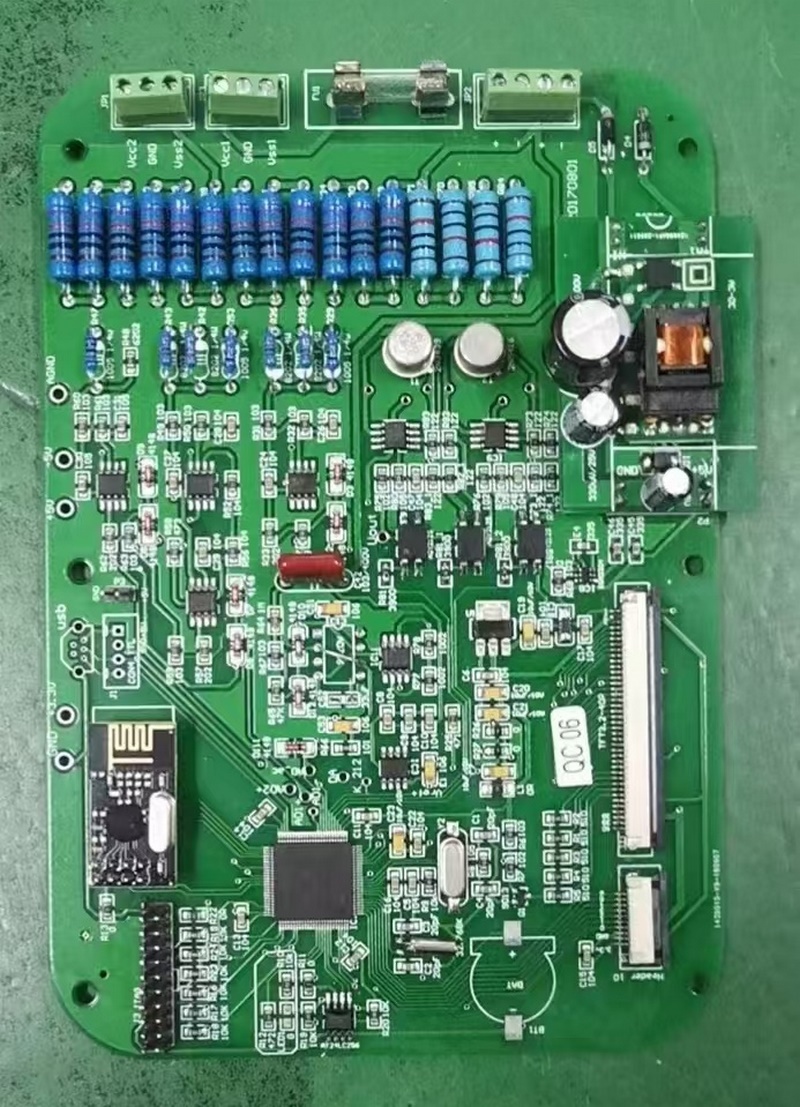
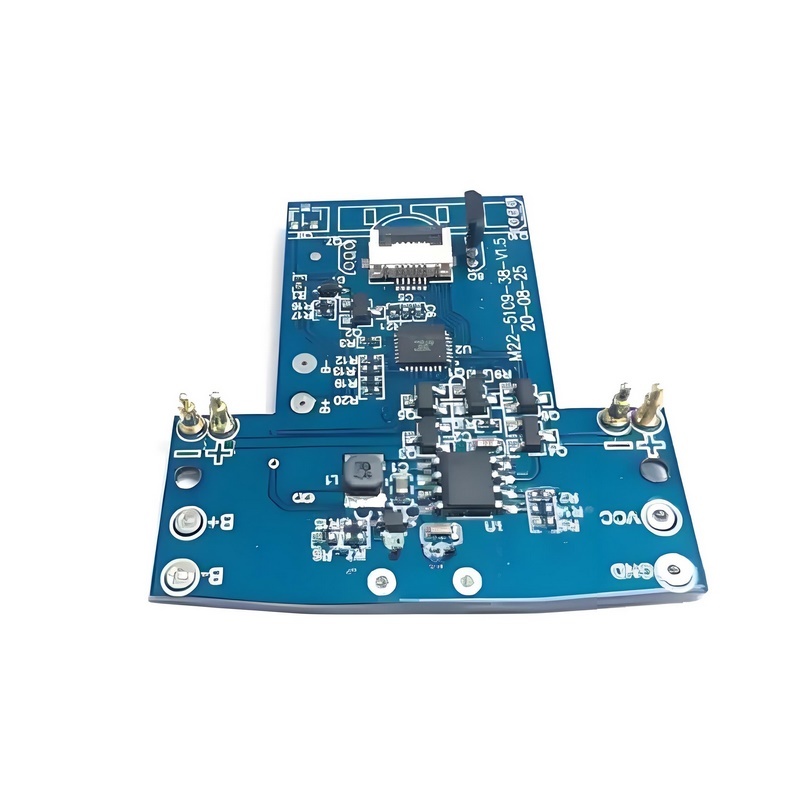
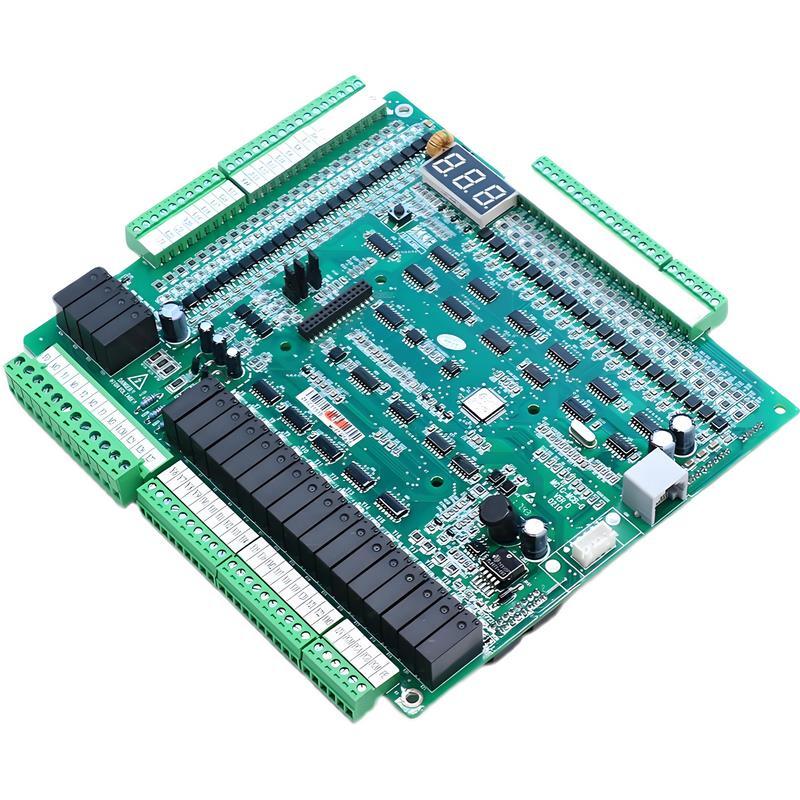
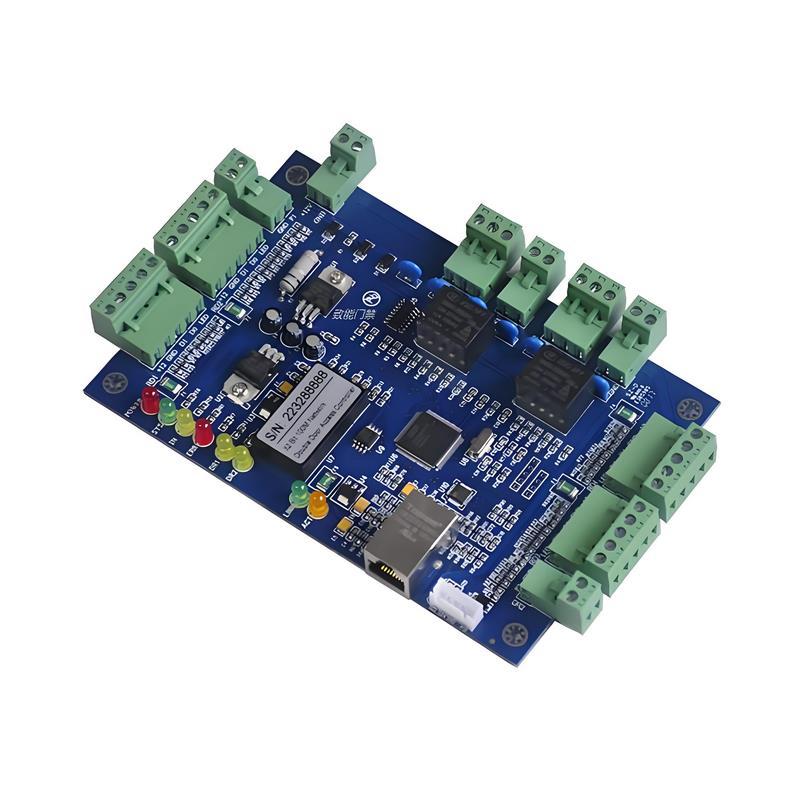
Precision Instruments PCB Assembly plays a crucial role in the electronics industry, particularly in the realm of manufacturing complex devices that require high precision and reliability. At its core, PCB assembly involves the integration of various electronic components onto a printed circuit board (PCB), which serves as the foundation for electronic devices. Understanding the intricacies of this process can significantly impact the overall functionality and longevity of electronic products.
One of the primary advantages of Precision Instruments PCB Assembly is the ability to achieve high levels of accuracy in component placement. This precision is critical in applications where even minor deviations can lead to malfunction or failure. Techniques such as automated pick-and-place machines are commonly employed to ensure that components are accurately positioned on the PCB. This automation not only enhances precision but also increases the speed of production, making it an efficient choice for manufacturers.
Moreover, the quality of materials used in PCB assembly cannot be overlooked. High-quality substrates and components contribute to the overall performance and durability of the final product. For instance, using materials with excellent thermal conductivity can improve heat dissipation, which is particularly important in high-powered electronic devices. Therefore, selecting the right materials is a vital step in the Precision Instruments PCB Assembly process.
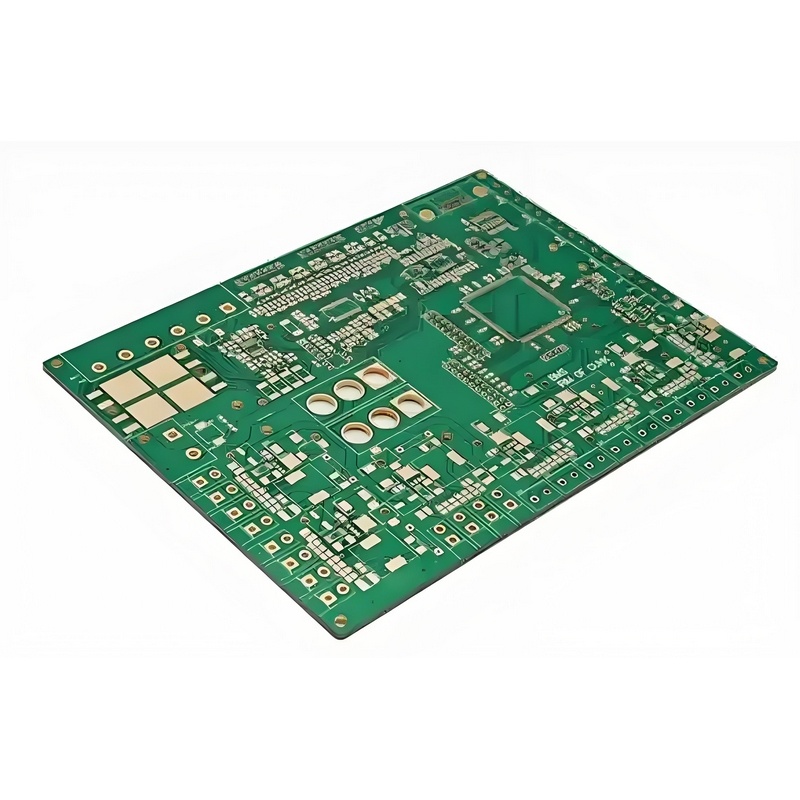
Another critical aspect to consider is the design of the PCB itself. A well-thought-out design can facilitate easier assembly and reduce the risk of errors during the manufacturing process. Employing design guidelines such as proper spacing between components and adequate routing of traces can lead to more efficient assembly and better performance of the finished product. Additionally, utilizing design software can assist engineers in visualizing and optimizing the PCB layout before the assembly phase.
It is also essential to conduct thorough testing during and after the assembly process. Various testing methods, including electrical testing and thermal imaging, can help identify potential issues early on. This proactive approach not only ensures that the assembled PCB meets quality standards but also helps prevent costly recalls or repairs in the future.
In conclusion, Precision Instruments PCB Assembly is a multifaceted process that requires careful attention to detail, quality materials, and effective design strategies. By prioritizing precision in every stage of the assembly, manufacturers can produce reliable electronic devices that meet the demands of today's technology-driven world. Emphasizing these elements can significantly enhance the performance and longevity of electronic products, ultimately benefiting both manufacturers and consumers alike.
One of the primary advantages of Precision Instruments PCB Assembly is the ability to achieve high levels of accuracy in component placement. This precision is critical in applications where even minor deviations can lead to malfunction or failure. Techniques such as automated pick-and-place machines are commonly employed to ensure that components are accurately positioned on the PCB. This automation not only enhances precision but also increases the speed of production, making it an efficient choice for manufacturers.
Moreover, the quality of materials used in PCB assembly cannot be overlooked. High-quality substrates and components contribute to the overall performance and durability of the final product. For instance, using materials with excellent thermal conductivity can improve heat dissipation, which is particularly important in high-powered electronic devices. Therefore, selecting the right materials is a vital step in the Precision Instruments PCB Assembly process.
Another critical aspect to consider is the design of the PCB itself. A well-thought-out design can facilitate easier assembly and reduce the risk of errors during the manufacturing process. Employing design guidelines such as proper spacing between components and adequate routing of traces can lead to more efficient assembly and better performance of the finished product. Additionally, utilizing design software can assist engineers in visualizing and optimizing the PCB layout before the assembly phase.
It is also essential to conduct thorough testing during and after the assembly process. Various testing methods, including electrical testing and thermal imaging, can help identify potential issues early on. This proactive approach not only ensures that the assembled PCB meets quality standards but also helps prevent costly recalls or repairs in the future.
In conclusion, Precision Instruments PCB Assembly is a multifaceted process that requires careful attention to detail, quality materials, and effective design strategies. By prioritizing precision in every stage of the assembly, manufacturers can produce reliable electronic devices that meet the demands of today's technology-driven world. Emphasizing these elements can significantly enhance the performance and longevity of electronic products, ultimately benefiting both manufacturers and consumers alike.
Related news

Request A Quote
Please feel free to contact us at any time, and we will wholeheartedly provide you with the highest quality service and support.