




Ask For A Quick Quote
We will contact you within one working day. Please pay attention to your email.
Request a Sample
With the mission of “Smart Manufacturing - Global Delivery”, we help our customers shorten the time-to-market and optimize the supply chain cost through continuous technology iteration and digital upgrading. We look forward to working with you to define the future of electronic manufacturing!
- Technology Driven Intelligent Manufacturing
- Full-process quality control
- In-depth industry experience
- Agile Service Network
Understanding UAV PCB Assembly: A Vital Component in Modern Drone Technology
2026-07-04
---
Unmanned Aerial Vehicles (UAVs) have rapidly evolved, becoming indispensable tools across various sectors such as agriculture, surveillance, and logistics. At the heart of these sophisticated machines lies a critical component: the printed circuit board (PCB). The process of UAV PCB assembly is essential to ensure the reliability and functionality of these airborne systems.
UAV PCB assembly involves a series of detailed steps, starting with the design and fabrication of the PCB itself. Engineers must consider various factors, including the size, weight, and intended function of the UAV when designing the PCB. This design process requires specialized software that can simulate the electronic pathways and identify any potential issues before the physical assembly begins.
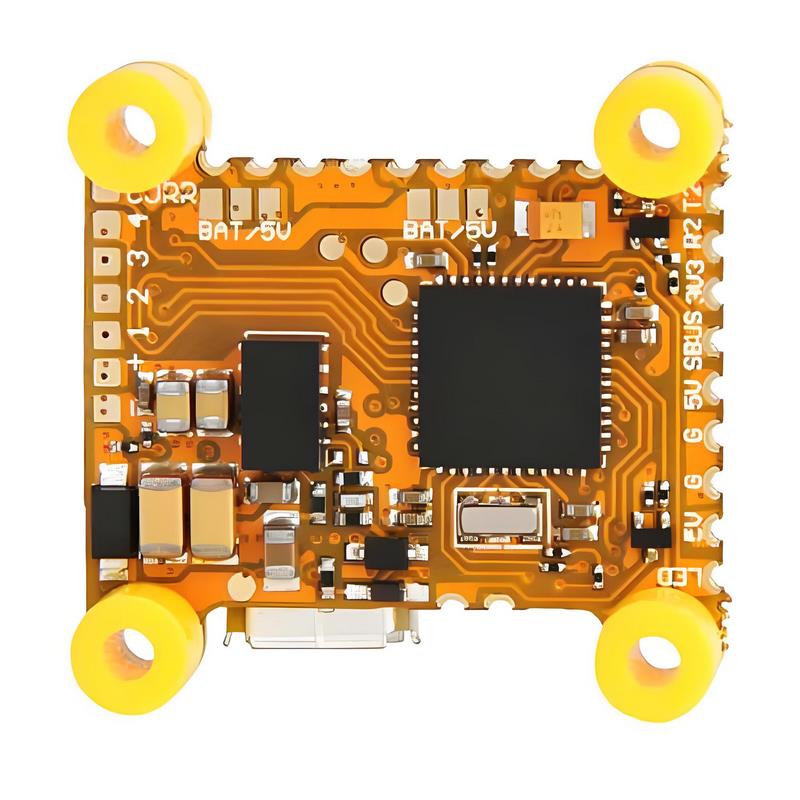
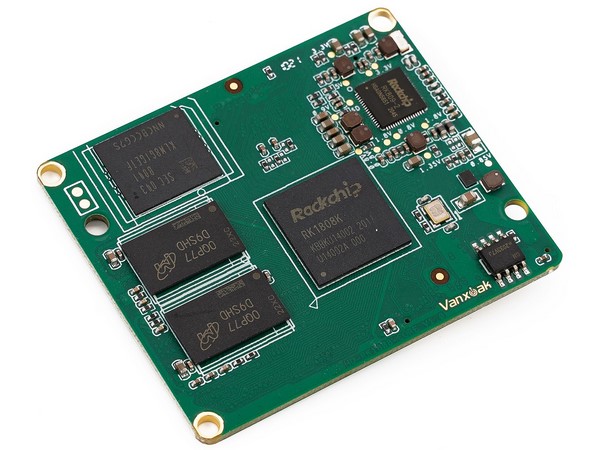
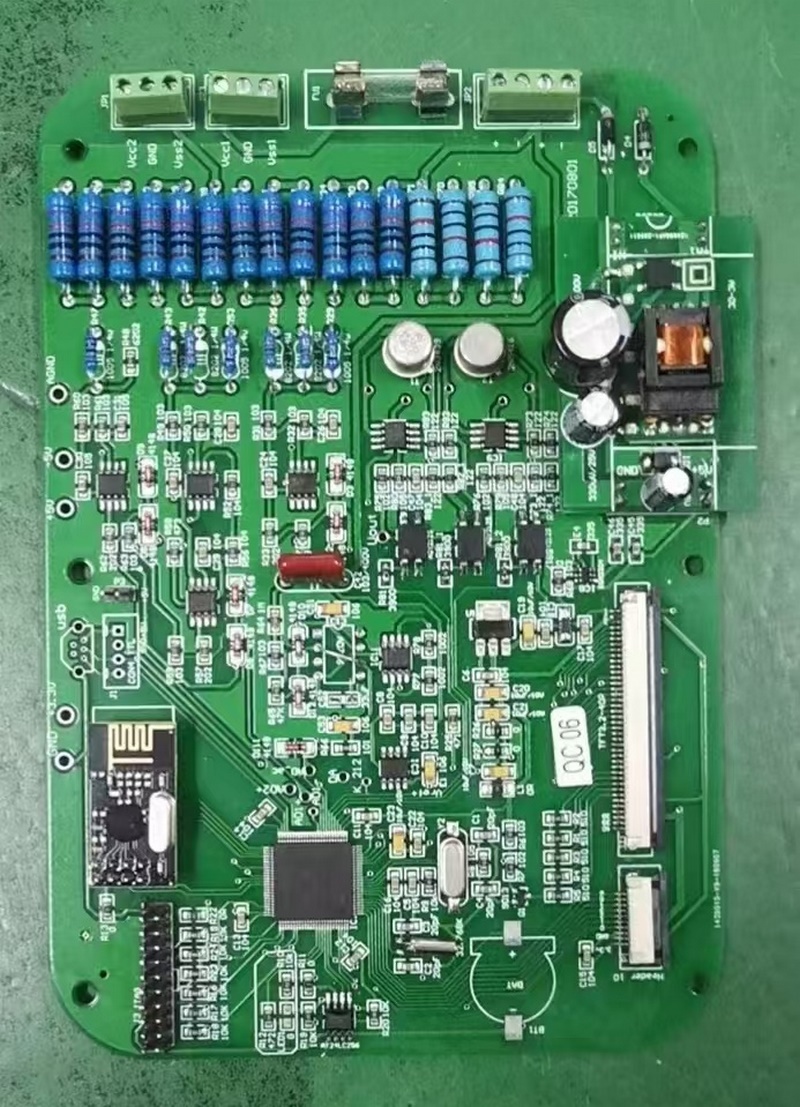
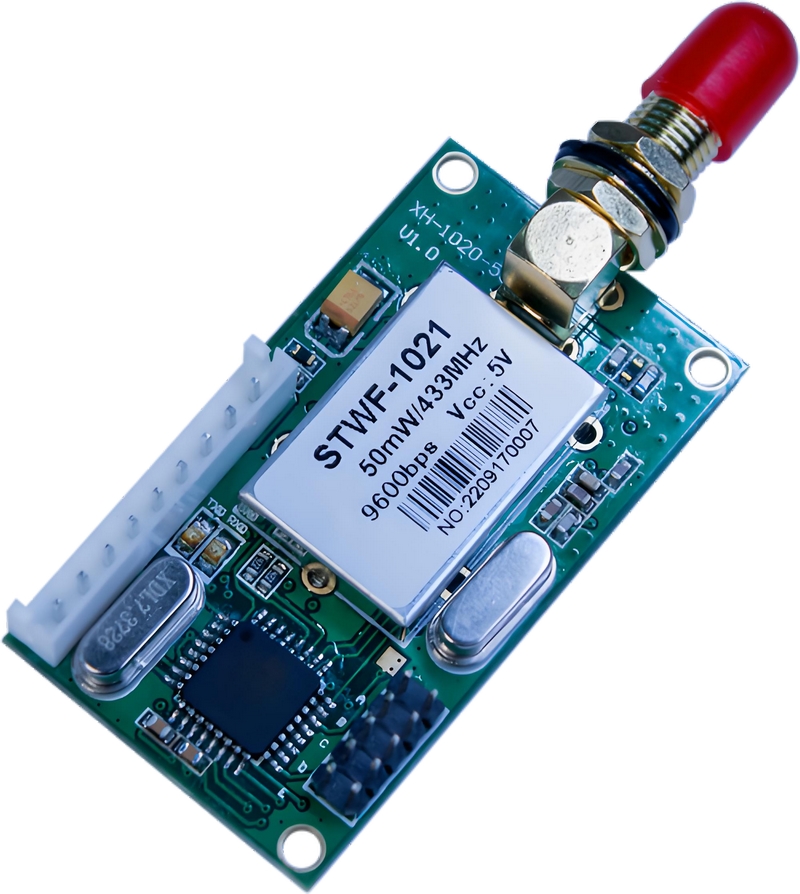
Once the PCB design is finalized, the assembly process can commence. This typically involves the placement of electronic components onto the board using automated machines that precisely position and solder components. The use of surface-mount technology (SMT) is particularly prevalent in UAV PCB assembly, allowing for more compact designs and enhancing the overall performance of the UAV.
Quality control is another crucial aspect of UAV PCB assembly. Given that UAVs often operate in challenging environments, the components must withstand various conditions, such as temperature fluctuations and vibrations. Rigorous testing protocols, including thermal cycling and vibration testing, are implemented to ensure that the assembled PCBs can endure these stresses without failure.
Moreover, the selection of materials for UAV PCB assembly plays a significant role in performance. Advanced materials such as high-frequency laminates and thermally conductive substrates are often employed to meet the demanding specifications of UAV applications. These materials not only enhance the durability of the PCB but also optimize signal integrity, which is essential for real-time data transmission and control.
In conclusion, UAV PCB assembly is a fundamental process that underpins the functionality and reliability of drones. As technology advances, the demand for innovative and efficient UAV designs continues to grow, making expertise in PCB assembly increasingly valuable in the electronic components sector. Professionals in this field must stay informed about the latest trends and technologies to enhance the capabilities of UAVs and drive the industry forward. Understanding the nuances of UAV PCB assembly will undoubtedly position industry experts for success in this rapidly evolving landscape.
Unmanned Aerial Vehicles (UAVs) have rapidly evolved, becoming indispensable tools across various sectors such as agriculture, surveillance, and logistics. At the heart of these sophisticated machines lies a critical component: the printed circuit board (PCB). The process of UAV PCB assembly is essential to ensure the reliability and functionality of these airborne systems.
UAV PCB assembly involves a series of detailed steps, starting with the design and fabrication of the PCB itself. Engineers must consider various factors, including the size, weight, and intended function of the UAV when designing the PCB. This design process requires specialized software that can simulate the electronic pathways and identify any potential issues before the physical assembly begins.
Once the PCB design is finalized, the assembly process can commence. This typically involves the placement of electronic components onto the board using automated machines that precisely position and solder components. The use of surface-mount technology (SMT) is particularly prevalent in UAV PCB assembly, allowing for more compact designs and enhancing the overall performance of the UAV.
Quality control is another crucial aspect of UAV PCB assembly. Given that UAVs often operate in challenging environments, the components must withstand various conditions, such as temperature fluctuations and vibrations. Rigorous testing protocols, including thermal cycling and vibration testing, are implemented to ensure that the assembled PCBs can endure these stresses without failure.
Moreover, the selection of materials for UAV PCB assembly plays a significant role in performance. Advanced materials such as high-frequency laminates and thermally conductive substrates are often employed to meet the demanding specifications of UAV applications. These materials not only enhance the durability of the PCB but also optimize signal integrity, which is essential for real-time data transmission and control.
In conclusion, UAV PCB assembly is a fundamental process that underpins the functionality and reliability of drones. As technology advances, the demand for innovative and efficient UAV designs continues to grow, making expertise in PCB assembly increasingly valuable in the electronic components sector. Professionals in this field must stay informed about the latest trends and technologies to enhance the capabilities of UAVs and drive the industry forward. Understanding the nuances of UAV PCB assembly will undoubtedly position industry experts for success in this rapidly evolving landscape.
Related news
Request A Quote
Please feel free to contact us at any time, and we will wholeheartedly provide you with the highest quality service and support.