




Ask For A Quick Quote
We will contact you within one working day. Please pay attention to your email.
Request a Sample
With the mission of “Smart Manufacturing - Global Delivery”, we help our customers shorten the time-to-market and optimize the supply chain cost through continuous technology iteration and digital upgrading. We look forward to working with you to define the future of electronic manufacturing!
- Technology Driven Intelligent Manufacturing
- Full-process quality control
- In-depth industry experience
- Agile Service Network
Understanding Facial Recognition PCB Assembly: A Guide to Advanced Technology Integration
2026-06-22
Facial recognition technology has become increasingly prevalent in various sectors, from security systems to personal devices. At the heart of this technology lies an essential component: the printed circuit board (PCB) assembly. Understanding Facial Recognition PCB Assembly is crucial for manufacturers and engineers looking to integrate advanced technology effectively.
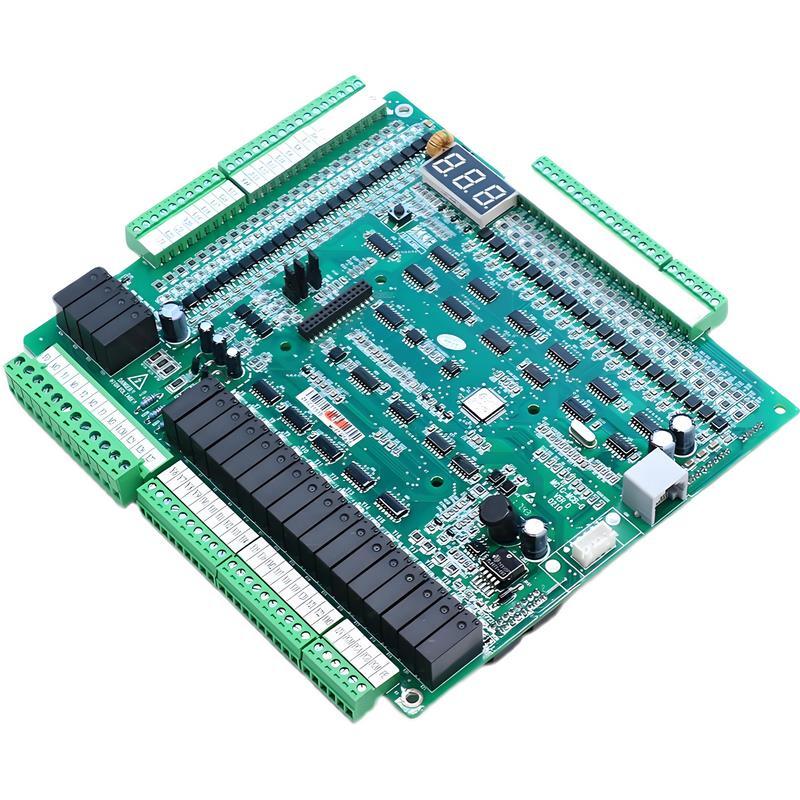
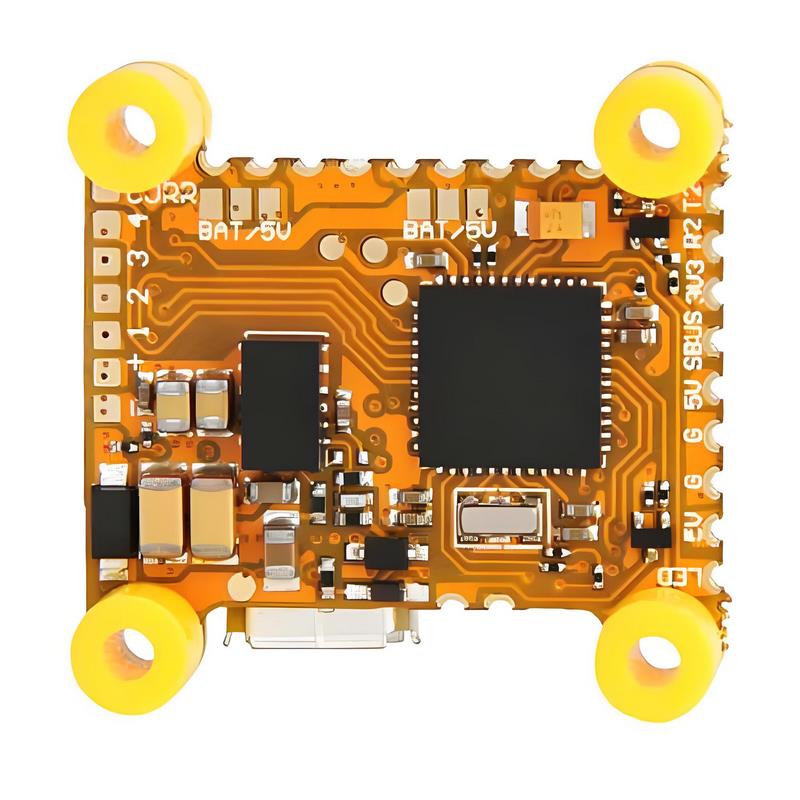
Facial recognition systems utilize sophisticated algorithms that analyze facial features and match them against a database. These systems depend heavily on high-quality PCB assemblies that can support the complex electronic components required for image processing, power management, and data storage. The assembly process involves multiple stages, including soldering, component placement, and testing, which all contribute to the overall functionality and reliability of the end product.
The first step in Facial Recognition PCB Assembly is designing the PCB layout. This layout must account for the various electronic components, such as cameras, sensors, and microcontrollers, that will be soldered onto the board. The design phase also involves selecting appropriate materials that can withstand the demands of facial recognition technology, including heat dissipation and electromagnetic interference.
Once the design is finalized, the assembly process begins. This typically involves surface-mount technology (SMT) and through-hole technology (THT) for placing components on the PCB. SMT is favored in modern applications due to its ability to accommodate smaller components, which is essential for compact devices often used in facial recognition systems.
Quality control is a critical aspect of the assembly process. Each PCB assembly undergoes rigorous testing to ensure that each component functions as intended and that the board can withstand various environmental conditions. This testing phase helps identify potential issues early, preventing costly repairs and ensuring the reliability of the facial recognition system.
Moreover, as technology evolves, so do the requirements for Facial Recognition PCB Assembly. Emerging trends, such as the integration of artificial intelligence and machine learning, are creating new demands for performance and efficiency. PCB assemblies must adapt to these changes, incorporating advanced components that can process large amounts of data quickly and accurately.
In conclusion, Facial Recognition PCB Assembly plays a pivotal role in the development of effective facial recognition systems. By understanding the complexities involved in the assembly process, manufacturers can ensure that their products meet the high standards required for today’s technology-driven world. As the industry continues to grow, staying informed about the latest advancements in PCB assembly will be crucial for success.
Facial recognition systems utilize sophisticated algorithms that analyze facial features and match them against a database. These systems depend heavily on high-quality PCB assemblies that can support the complex electronic components required for image processing, power management, and data storage. The assembly process involves multiple stages, including soldering, component placement, and testing, which all contribute to the overall functionality and reliability of the end product.
The first step in Facial Recognition PCB Assembly is designing the PCB layout. This layout must account for the various electronic components, such as cameras, sensors, and microcontrollers, that will be soldered onto the board. The design phase also involves selecting appropriate materials that can withstand the demands of facial recognition technology, including heat dissipation and electromagnetic interference.
Once the design is finalized, the assembly process begins. This typically involves surface-mount technology (SMT) and through-hole technology (THT) for placing components on the PCB. SMT is favored in modern applications due to its ability to accommodate smaller components, which is essential for compact devices often used in facial recognition systems.
Quality control is a critical aspect of the assembly process. Each PCB assembly undergoes rigorous testing to ensure that each component functions as intended and that the board can withstand various environmental conditions. This testing phase helps identify potential issues early, preventing costly repairs and ensuring the reliability of the facial recognition system.
Moreover, as technology evolves, so do the requirements for Facial Recognition PCB Assembly. Emerging trends, such as the integration of artificial intelligence and machine learning, are creating new demands for performance and efficiency. PCB assemblies must adapt to these changes, incorporating advanced components that can process large amounts of data quickly and accurately.
In conclusion, Facial Recognition PCB Assembly plays a pivotal role in the development of effective facial recognition systems. By understanding the complexities involved in the assembly process, manufacturers can ensure that their products meet the high standards required for today’s technology-driven world. As the industry continues to grow, staying informed about the latest advancements in PCB assembly will be crucial for success.
Related news

Request A Quote
Please feel free to contact us at any time, and we will wholeheartedly provide you with the highest quality service and support.