




Ask For A Quick Quote
We will contact you within one working day. Please pay attention to your email.
Request a Sample
With the mission of “Smart Manufacturing - Global Delivery”, we help our customers shorten the time-to-market and optimize the supply chain cost through continuous technology iteration and digital upgrading. We look forward to working with you to define the future of electronic manufacturing!
- Technology Driven Intelligent Manufacturing
- Full-process quality control
- In-depth industry experience
- Agile Service Network
Understanding UAV PCB Assembly: A Comprehensive Overview
2025-12-29
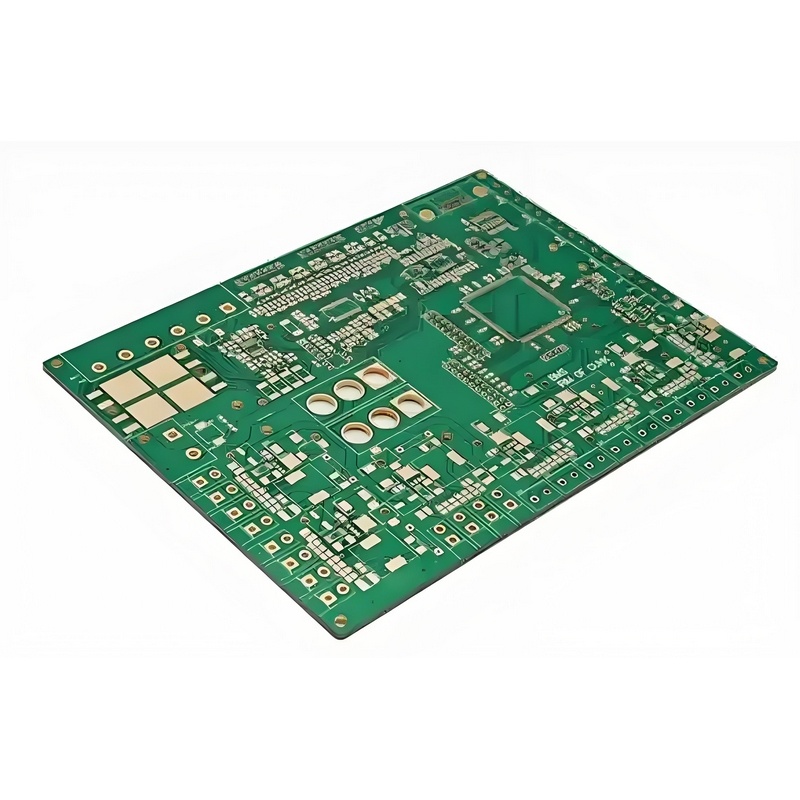
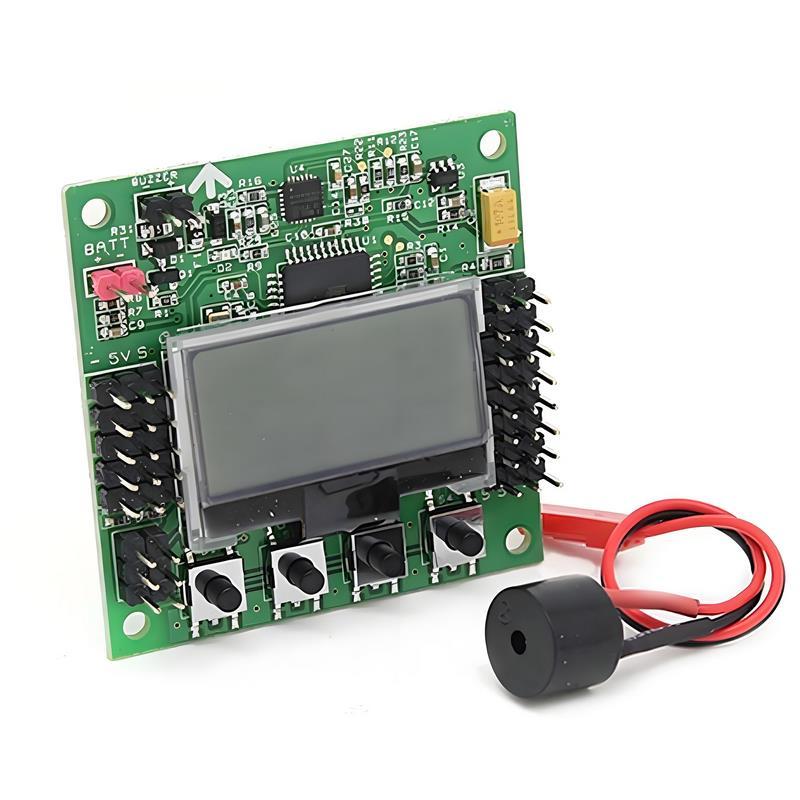
In the rapidly evolving field of electronics, UAV PCB assembly has emerged as a critical component for the development and functionality of Unmanned Aerial Vehicles. Printed circuit boards (PCBs) serve as the backbone of electronic devices, providing the necessary pathways for electrical signals and power distribution. In the context of UAVs, the design and assembly of these PCBs ensure that the aircraft operates efficiently and reliably.
The PCB assembly process for UAVs involves several key steps, including design, fabrication, component placement, soldering, and testing. Initially, engineers design the PCB layout using specialized software, which outlines the connections between various electronic components such as sensors, processors, and communication modules. This design phase is crucial, as it directly impacts the UAV's performance and reliability.
Once the design is finalized, the next step is fabrication. This involves creating the physical PCB from materials such as fiberglass, copper, and epoxy. The quality of the materials used is essential, as they must withstand the operational demands of UAVs, including exposure to varying environmental conditions and mechanical stresses.
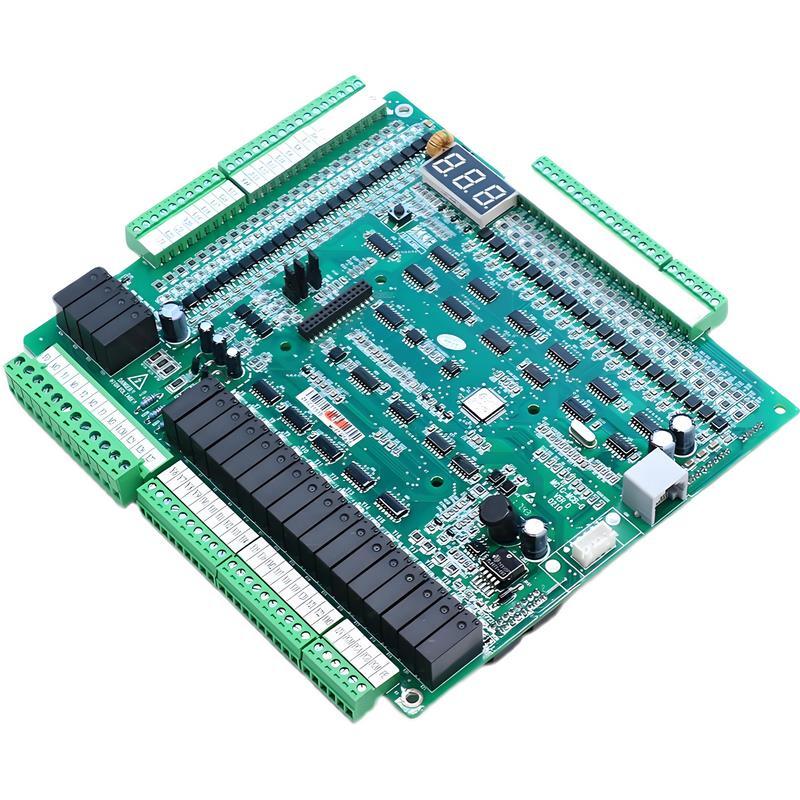
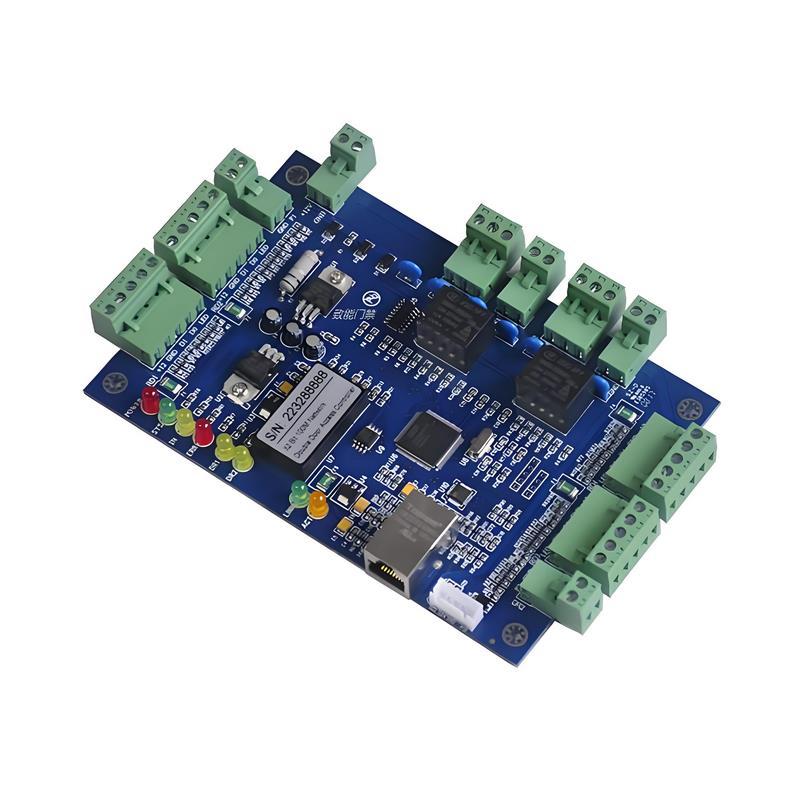
After fabrication, component placement comes into play. Electronic components are positioned on the PCB according to the design specifications. This step often utilizes automated pick-and-place machines, which enhance accuracy and efficiency. Precision in component placement is vital, as even slight misalignments can lead to malfunctions or inefficiencies in the UAV's operation.
Following component placement, soldering is performed to create permanent electrical connections. Various soldering techniques, such as surface mount technology (SMT) and through-hole soldering, may be employed depending on the design requirements and component types. Each method has its advantages, particularly in terms of reliability and ease of manufacturing.
Finally, testing is a critical phase in UAV PCB assembly. Rigorous testing procedures ensure that each assembled PCB meets stringent performance standards. This may include electrical testing, thermal testing, and functional testing to validate that the UAV will perform as intended in real-world scenarios.
In summary, UAV PCB assembly is an intricate process that combines advanced engineering, precision manufacturing, and rigorous testing. It plays a vital role in the successful deployment of UAVs across various applications, from aerial photography to agricultural monitoring and beyond. Understanding the complexities involved in this assembly process is essential for professionals in the electronics industry, as the demand for UAV technology continues to grow. By embracing the innovations in PCB assembly, manufacturers can ensure that their UAVs are not only functional but also capable of meeting the evolving demands of the market.
Related news

Request A Quote
Please feel free to contact us at any time, and we will wholeheartedly provide you with the highest quality service and support.