




Ask For A Quick Quote
We will contact you within one working day. Please pay attention to your email.
Request a Sample
With the mission of “Smart Manufacturing - Global Delivery”, we help our customers shorten the time-to-market and optimize the supply chain cost through continuous technology iteration and digital upgrading. We look forward to working with you to define the future of electronic manufacturing!
- Technology Driven Intelligent Manufacturing
- Full-process quality control
- In-depth industry experience
- Agile Service Network
Understanding Precision Instruments PCB Assembly: A Key to High-Quality Electronics Manufacturing
2026-08-27
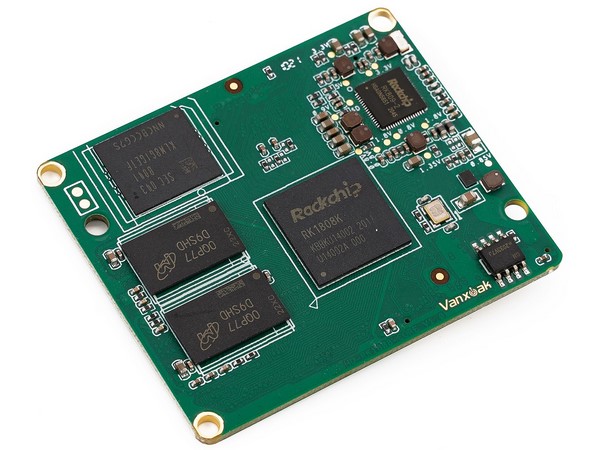
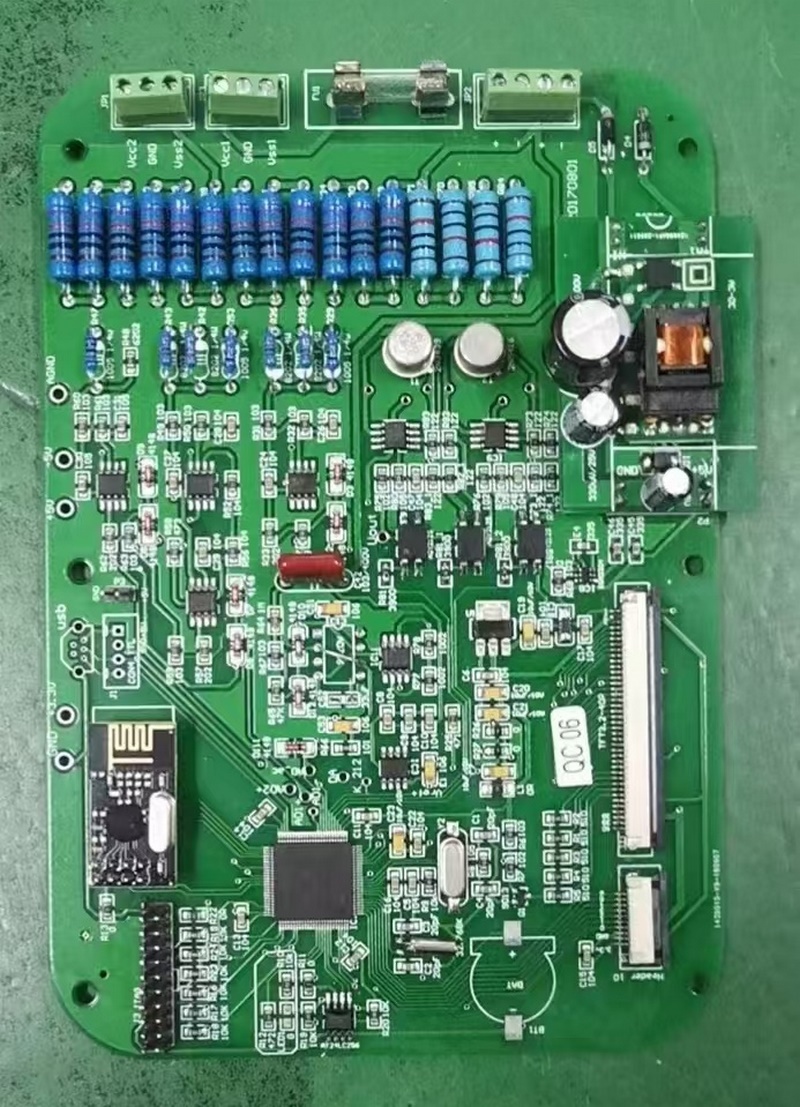
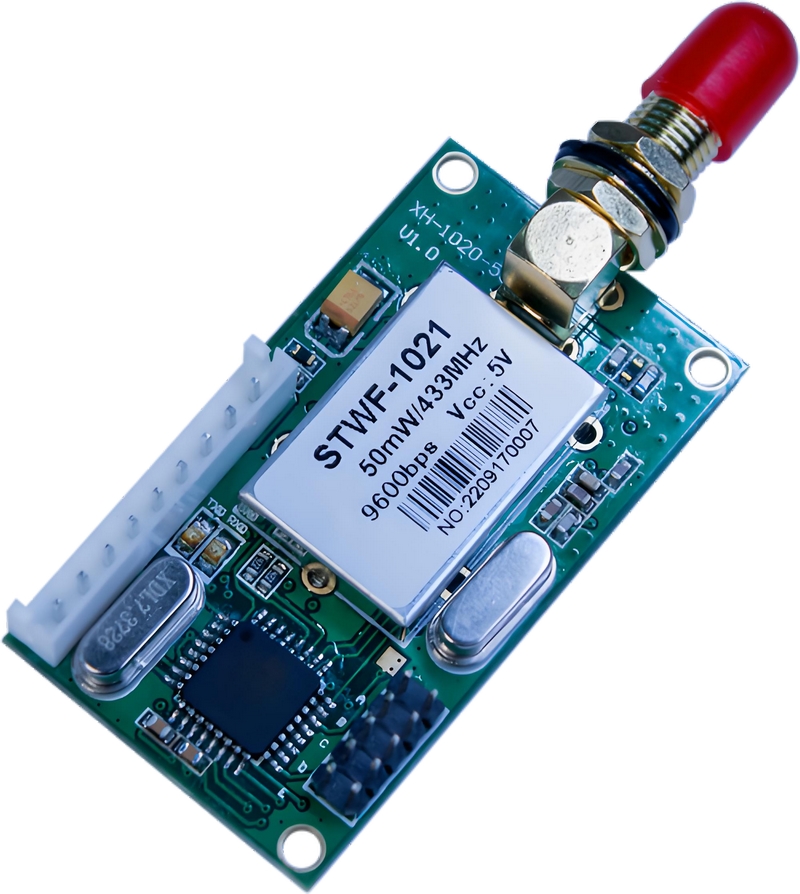
Precision Instruments PCB Assembly is a crucial aspect of modern electronics manufacturing, where precision and reliability are paramount. In the realm of electronic components, particularly in the category of "other electronic components," the assembly of printed circuit boards (PCBs) demands meticulous attention to detail. This process is not only about placing components onto a board but also involves ensuring that each connection is secure and functional.
One key factor in Precision Instruments PCB Assembly is the selection of the right materials. High-quality substrates and components are essential for enhancing the durability and performance of the final product. Understanding the specifications of the components, including their thermal and electrical properties, plays a vital role in the assembly process. This knowledge allows manufacturers to choose the best materials that meet the performance criteria of the intended application.
Another critical element in achieving precision during PCB assembly is the use of advanced technologies. Automated assembly processes, such as surface mount technology (SMT) and through-hole technology, streamline production and minimize human error. Automated optical inspection (AOI) systems can also be integrated into the assembly line to detect defects early in the manufacturing process, ensuring that only high-quality boards proceed to the next stages of production.
Furthermore, the design of the PCB itself significantly impacts the assembly process. Employing design-for-manufacturability (DFM) principles can facilitate easier assembly, reducing the risk of defects and enhancing overall efficiency. Collaboration between design engineers and assembly teams during the design phase can lead to innovative solutions that optimize assembly processes.
Quality control is another integral aspect of Precision Instruments PCB Assembly. Implementing rigorous testing protocols, such as functional testing and reliability testing, ensures that the assembled PCBs meet stringent performance standards. This not only protects the integrity of the final product but also enhances customer satisfaction.
In conclusion, Precision Instruments PCB Assembly is a multifaceted process that requires a deep understanding of materials, technologies, design principles, and quality control measures. By focusing on these aspects, manufacturers can produce reliable and high-performance electronic components that meet the demands of today's fast-paced technological landscape. Understanding and implementing these best practices in PCB assembly can set a company apart in the competitive electronics industry, ensuring the delivery of superior products to customers.
One key factor in Precision Instruments PCB Assembly is the selection of the right materials. High-quality substrates and components are essential for enhancing the durability and performance of the final product. Understanding the specifications of the components, including their thermal and electrical properties, plays a vital role in the assembly process. This knowledge allows manufacturers to choose the best materials that meet the performance criteria of the intended application.
Another critical element in achieving precision during PCB assembly is the use of advanced technologies. Automated assembly processes, such as surface mount technology (SMT) and through-hole technology, streamline production and minimize human error. Automated optical inspection (AOI) systems can also be integrated into the assembly line to detect defects early in the manufacturing process, ensuring that only high-quality boards proceed to the next stages of production.
Furthermore, the design of the PCB itself significantly impacts the assembly process. Employing design-for-manufacturability (DFM) principles can facilitate easier assembly, reducing the risk of defects and enhancing overall efficiency. Collaboration between design engineers and assembly teams during the design phase can lead to innovative solutions that optimize assembly processes.
Quality control is another integral aspect of Precision Instruments PCB Assembly. Implementing rigorous testing protocols, such as functional testing and reliability testing, ensures that the assembled PCBs meet stringent performance standards. This not only protects the integrity of the final product but also enhances customer satisfaction.
In conclusion, Precision Instruments PCB Assembly is a multifaceted process that requires a deep understanding of materials, technologies, design principles, and quality control measures. By focusing on these aspects, manufacturers can produce reliable and high-performance electronic components that meet the demands of today's fast-paced technological landscape. Understanding and implementing these best practices in PCB assembly can set a company apart in the competitive electronics industry, ensuring the delivery of superior products to customers.
Related news

Request A Quote
Please feel free to contact us at any time, and we will wholeheartedly provide you with the highest quality service and support.