




Ask For A Quick Quote
We will contact you within one working day. Please pay attention to your email.
Request a Sample
With the mission of “Smart Manufacturing - Global Delivery”, we help our customers shorten the time-to-market and optimize the supply chain cost through continuous technology iteration and digital upgrading. We look forward to working with you to define the future of electronic manufacturing!
- Technology Driven Intelligent Manufacturing
- Full-process quality control
- In-depth industry experience
- Agile Service Network
Innovative Applications of Facial Recognition PCB Assembly You Should Know
2026-09-05
Innovative Applications of Facial Recognition PCB Assembly You Should Know
Table of Contents
- 1. Introduction to Facial Recognition PCB Assembly
- 2. What is Facial Recognition?
- 3. The Role of PCB Assembly in Facial Recognition Technology
- 4. Applications in Security Systems
- 5. Healthcare Innovations Using Facial Recognition
- 6. Transforming Retail and Marketing
- 7. Smart Cities and Traffic Management
- 8. Ethical Considerations and Challenges
- 9. Future Trends in Facial Recognition PCB Assembly
- 10. Conclusion
- 11. Frequently Asked Questions (FAQs)
1. Introduction to Facial Recognition PCB Assembly
Facial recognition technology has rapidly evolved over the past few years, integrating seamlessly into various sectors, from security to healthcare. At the heart of this technology lies **Printed Circuit Board (PCB) assembly**, a critical component that facilitates the connection and functionality of facial recognition systems. Understanding the innovative applications of facial recognition PCB assembly is essential to grasp its impact and potential.
2. What is Facial Recognition?
Facial recognition is a biometric technology that identifies or verifies a person by analyzing facial features. It utilizes algorithms to capture, compare, and match facial images against a database. This technology can operate in real-time, offering swift and accurate recognition, making it invaluable in today’s fast-paced environments.
3. The Role of PCB Assembly in Facial Recognition Technology
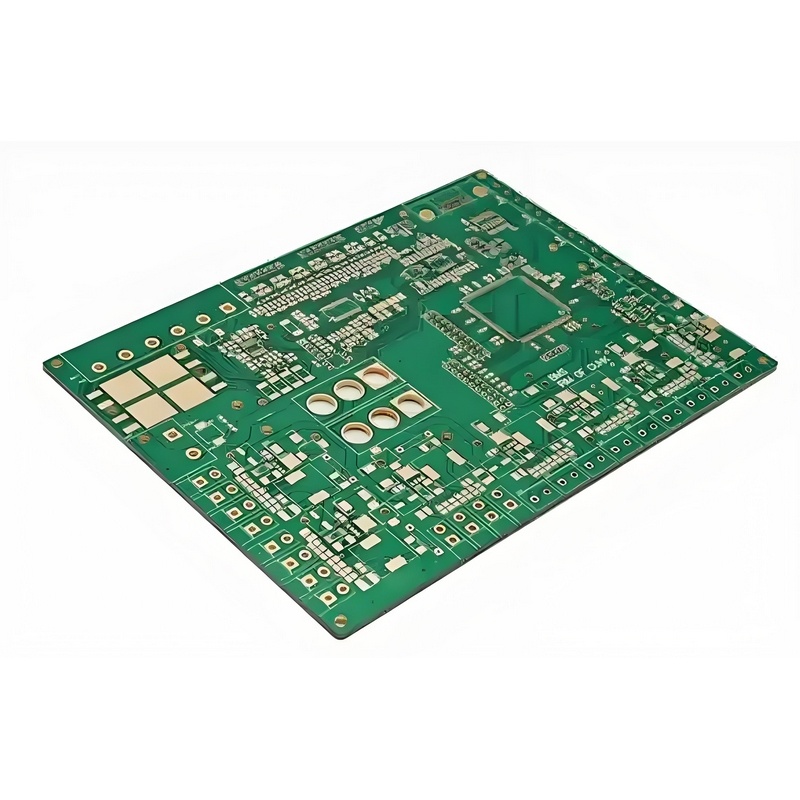
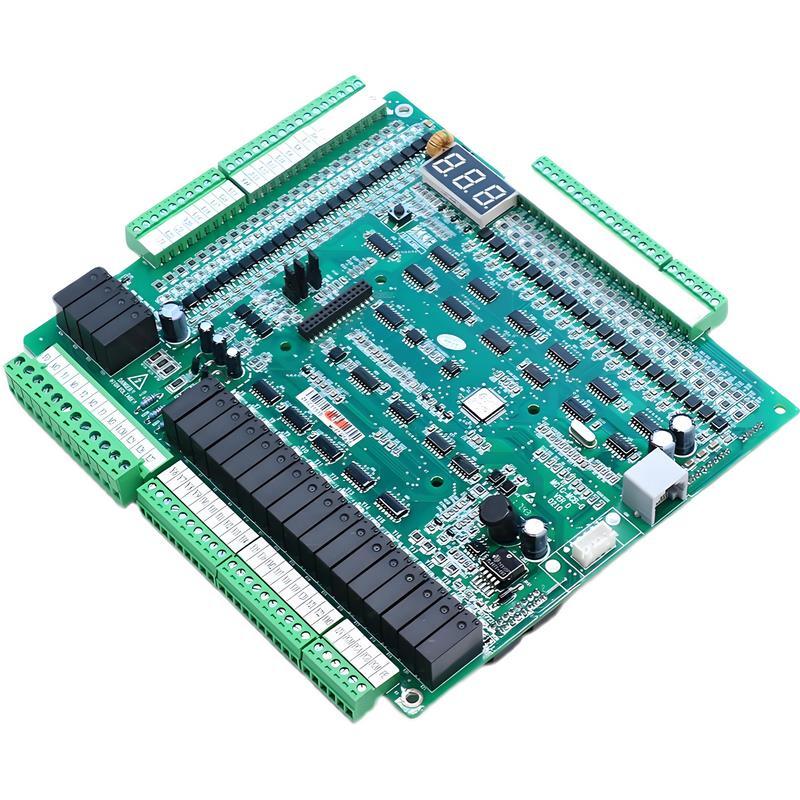
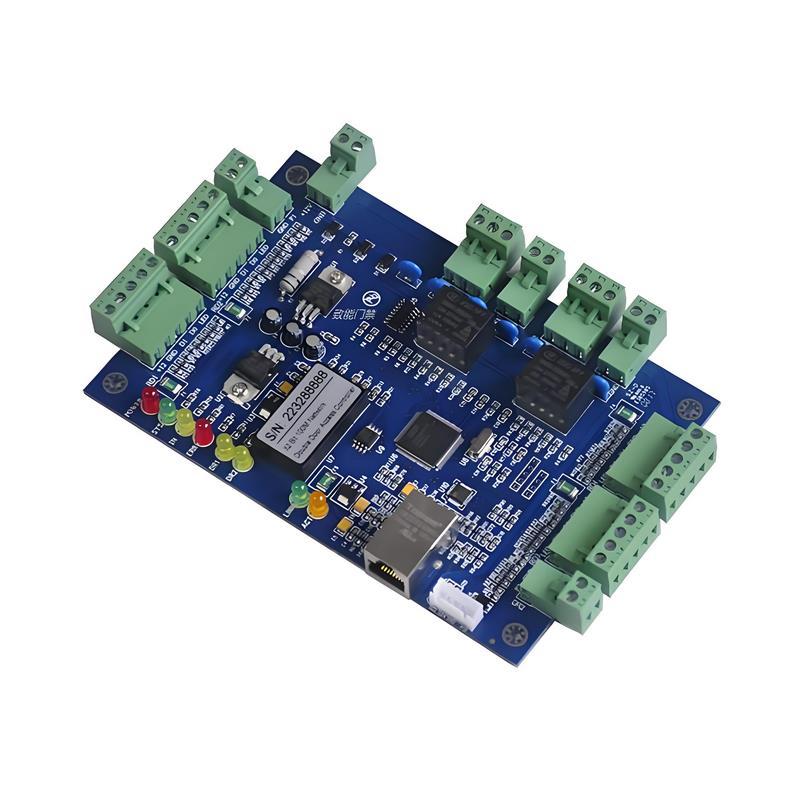
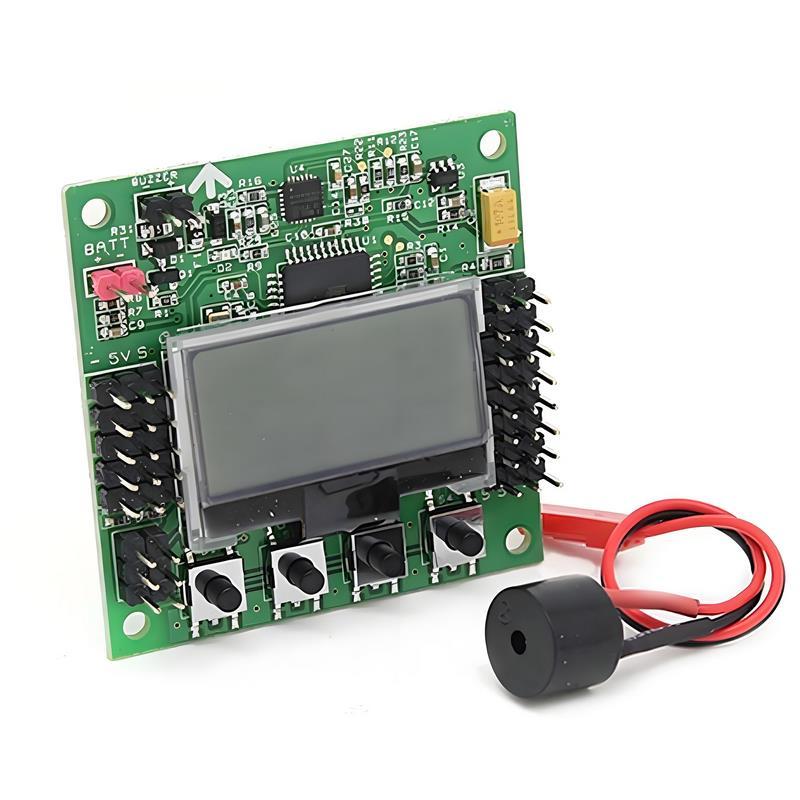
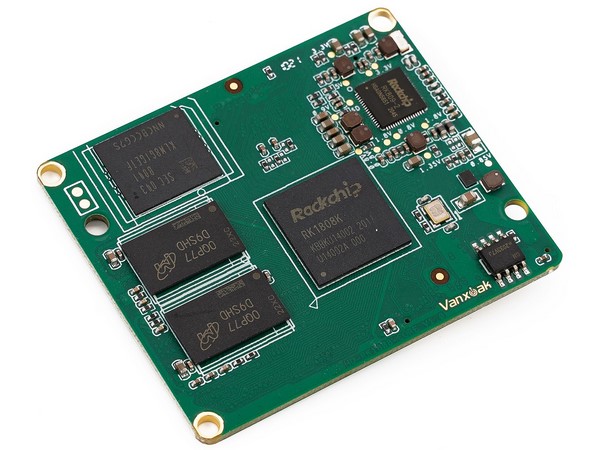
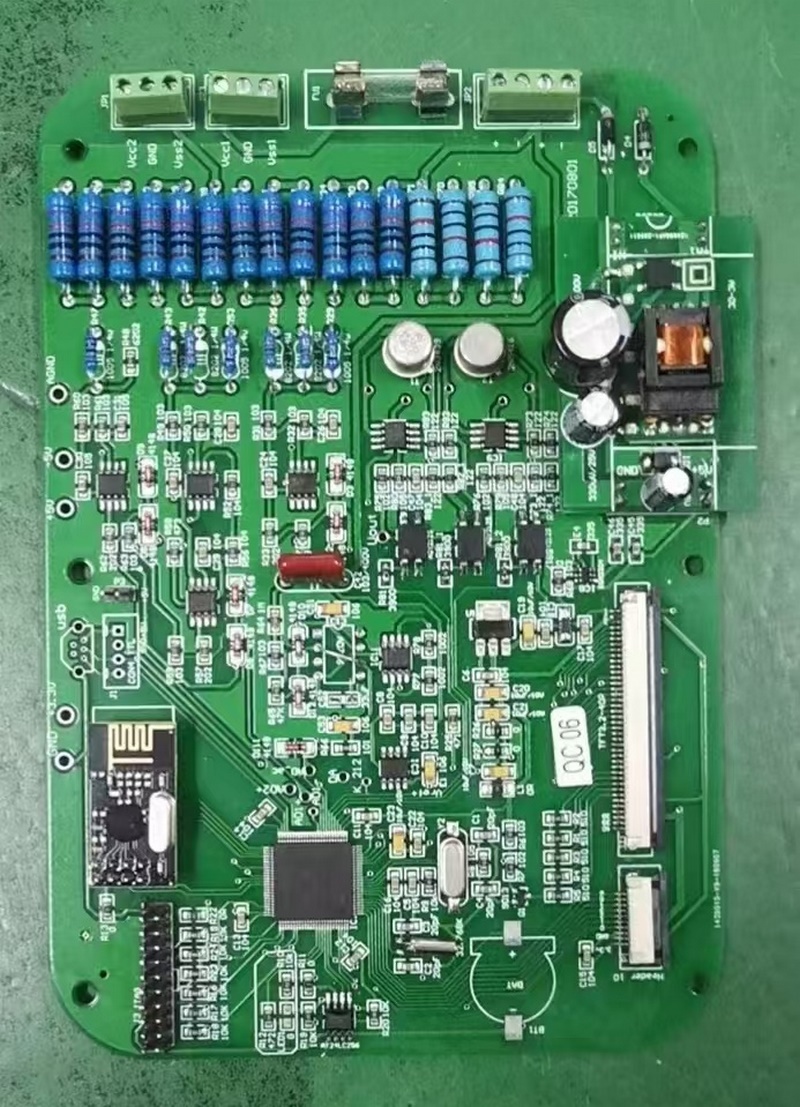
PCB assembly plays a vital role in facial recognition systems. It involves the design and fabrication of circuit boards that house the necessary components like cameras, sensors, and processors. The precision of PCB assembly directly influences the performance and reliability of facial recognition devices. High-quality PCBs ensure accurate data processing, image capture, and swift response rates, which are crucial for effective facial recognition applications.
3.1 The Design Process of Facial Recognition PCBs
The design of facial recognition PCBs requires careful consideration of various factors, including the size, layout, and materials used. Designers focus on creating compact circuits that can handle high-speed data transmission while maintaining energy efficiency. This involves selecting components that not only fit the specifications but also integrate seamlessly with facial recognition algorithms.
3.2 Manufacturing Challenges and Solutions
Manufacturers often face challenges in producing PCBs for facial recognition applications, such as miniaturization and heat dissipation. Innovations in materials and manufacturing techniques, including surface mount technology (SMT) and advanced cooling solutions, have emerged to address these issues, ensuring that the final product is both efficient and effective.
4. Applications in Security Systems
Facial recognition technology has become a cornerstone of modern security systems. Its applications range from access control to surveillance, providing enhanced security measures in various settings.
4.1 Biometric Access Control
Biometric access control systems utilize facial recognition to allow or deny entry to secure areas. These systems provide a higher level of security compared to traditional methods like keycards or PIN codes, as they rely on unique biological traits.
4.2 Surveillance and Crime Prevention
In public spaces, facial recognition cameras are employed to monitor crowds and identify individuals, aiding law enforcement in crime prevention and investigation. This technology can rapidly analyze footage, alerting authorities to potential threats in real-time.
5. Healthcare Innovations Using Facial Recognition
The healthcare sector benefits significantly from facial recognition technology, improving patient care and operational efficiency.
5.1 Patient Identification
Facial recognition systems streamline patient identification processes, reducing the risk of misidentification and ensuring that medical records are accurately matched to the correct individuals. This leads to enhanced patient safety and improved healthcare outcomes.
5.2 Remote Patient Monitoring
In telemedicine, facial recognition technology can assist in monitoring patients remotely. By analyzing facial expressions and physical appearance, healthcare providers can assess patient well-being and make timely interventions when necessary.
6. Transforming Retail and Marketing
Facial recognition is revolutionizing the retail and marketing industries by enhancing customer experiences and providing valuable insights.
6.1 Personalized Marketing Experiences
Retailers utilize facial recognition to analyze customer demographics and emotions, allowing them to tailor marketing strategies and promotions effectively. This personalization can increase customer engagement and drive sales.
6.2 Enhanced Security in Retail Environments
In retail stores, facial recognition technology aids in loss prevention by identifying known shoplifters and monitoring suspicious behavior. This proactive approach not only safeguards inventory but also contributes to a secure shopping environment.
7. Smart Cities and Traffic Management
As urban areas evolve into smart cities, facial recognition technology plays a pivotal role in traffic management and public safety.
7.1 Traffic Flow Optimization
Facial recognition can be integrated into traffic management systems to analyze traffic patterns and optimize flow. By monitoring driver behavior and adjusting signals accordingly, cities can reduce congestion and improve road safety.
7.2 Public Safety Monitoring
In smart city initiatives, facial recognition systems can monitor public spaces for suspicious activity, enhancing overall safety. This technology can help authorities respond swiftly to incidents, ensuring community security.
8. Ethical Considerations and Challenges
While the benefits of facial recognition technology are substantial, it also raises significant ethical considerations that must be addressed.
8.1 Privacy Concerns
One of the most pressing ethical issues is the potential invasion of privacy. The ability to identify individuals in public spaces without their consent raises questions about surveillance and data protection.
8.2 Bias and Accuracy
Facial recognition systems can exhibit bias, particularly when it comes to different demographics. Ensuring that algorithms are trained on diverse datasets is crucial to minimize inaccuracies and promote fairness.
9. Future Trends in Facial Recognition PCB Assembly
The future of facial recognition technology hinges on ongoing advancements in PCB assembly and associated technologies.
9.1 Integration with Artificial Intelligence (AI)
The integration of AI with facial recognition systems will enhance their capabilities, enabling more accurate recognition and advanced analytics. AI can improve the learning process of facial recognition algorithms, making them more adaptable to various scenarios.
9.2 Advancements in Miniaturization
As the demand for compact devices grows, continued innovation in PCB assembly will facilitate the miniaturization of facial recognition hardware, making it feasible to integrate into a broader range of applications, from smartphones to smart wearables.
10. Conclusion
The innovative applications of facial recognition PCB assembly are transforming multiple industries, enhancing security, improving healthcare, and revolutionizing retail experiences. As technology advances, the integration of artificial intelligence and ongoing improvements in PCB manufacturing will pave the way for more sophisticated and efficient systems. However, it is essential to address the ethical considerations surrounding privacy and bias to ensure that this powerful technology is used responsibly and effectively.
11. Frequently Asked Questions (FAQs)
1. What is facial recognition technology?
Facial recognition technology is a biometric system that identifies or verifies individuals by analyzing facial features using algorithms.
2. How does PCB assembly relate to facial recognition?
PCB assembly involves the creation of circuit boards that house components essential for facial recognition systems, impacting their performance and reliability.
3. What industries use facial recognition technology?
Facial recognition technology is used in various industries, including security, healthcare, retail, and smart city initiatives.
4. What are the ethical concerns surrounding facial recognition?
Key ethical concerns include privacy issues and potential biases in recognition accuracy across different demographics.
5. What future trends are expected in facial recognition technology?
Future trends include greater integration with AI, advancements in miniaturization, and improved processing capabilities within facial recognition systems.
In summary, understanding the innovative applications of facial recognition PCB assembly not only highlights its transformative potential across industries but also emphasizes the importance of responsible implementation in a rapidly evolving technological landscape.
Related news

Request A Quote
Please feel free to contact us at any time, and we will wholeheartedly provide you with the highest quality service and support.