




Ask For A Quick Quote
We will contact you within one working day. Please pay attention to your email.
Request a Sample
With the mission of “Smart Manufacturing - Global Delivery”, we help our customers shorten the time-to-market and optimize the supply chain cost through continuous technology iteration and digital upgrading. We look forward to working with you to define the future of electronic manufacturing!
- Technology Driven Intelligent Manufacturing
- Full-process quality control
- In-depth industry experience
- Agile Service Network
Exploring UAV PCB Assembly: A Vital Component in Modern Drone Technology
2026-09-02
UAV (Unmanned Aerial Vehicle) PCB assembly plays a crucial role in the advancement of drone technology, as these devices become increasingly integral in various sectors, from agriculture to surveillance. The printed circuit board (PCB) serves as the backbone of UAV systems, enabling the integration of critical electronic components that ensure optimal performance. Understanding the intricacies of UAV PCB assembly is essential for professionals involved in electronics manufacturing and design.
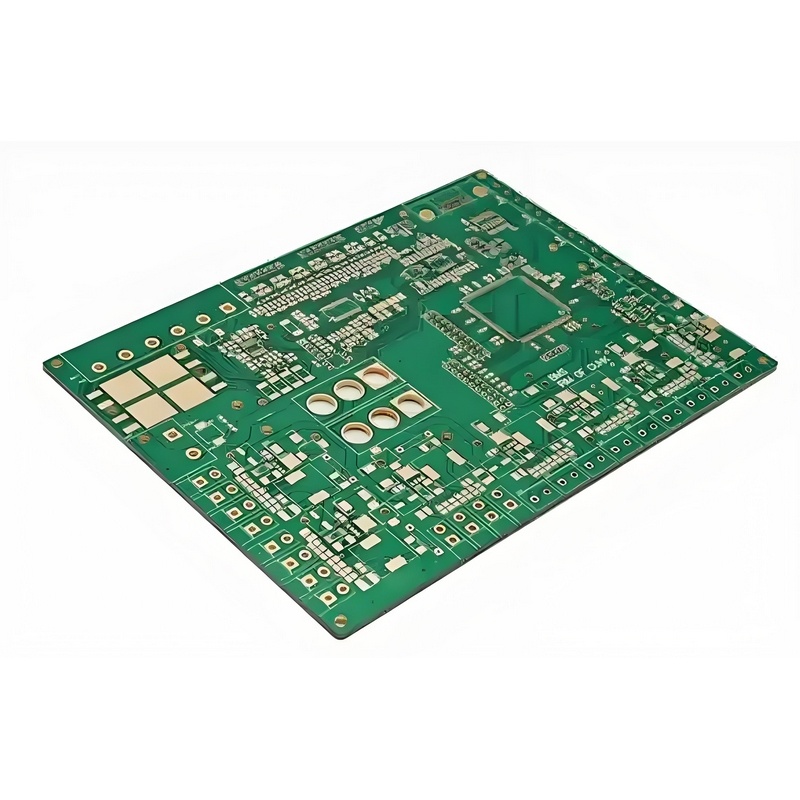
The first step in UAV PCB assembly is the design and fabrication of the PCB itself. This process requires a keen understanding of the specific requirements of UAV applications, such as weight restrictions, durability, and the ability to withstand varying environmental conditions. Engineers must select appropriate materials that can handle these demands, which often include lightweight substrates and robust soldering techniques.
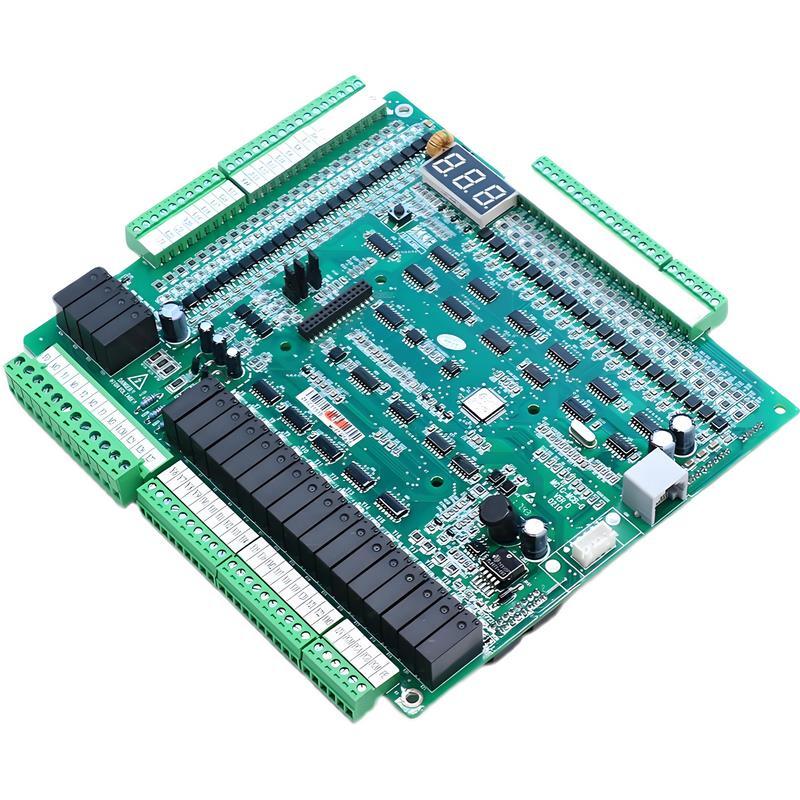
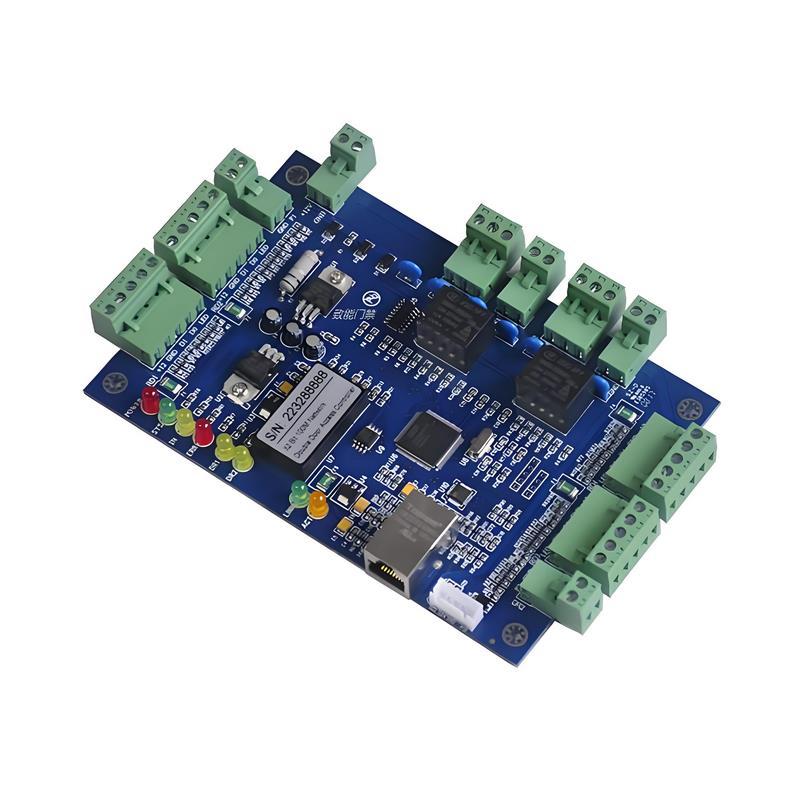
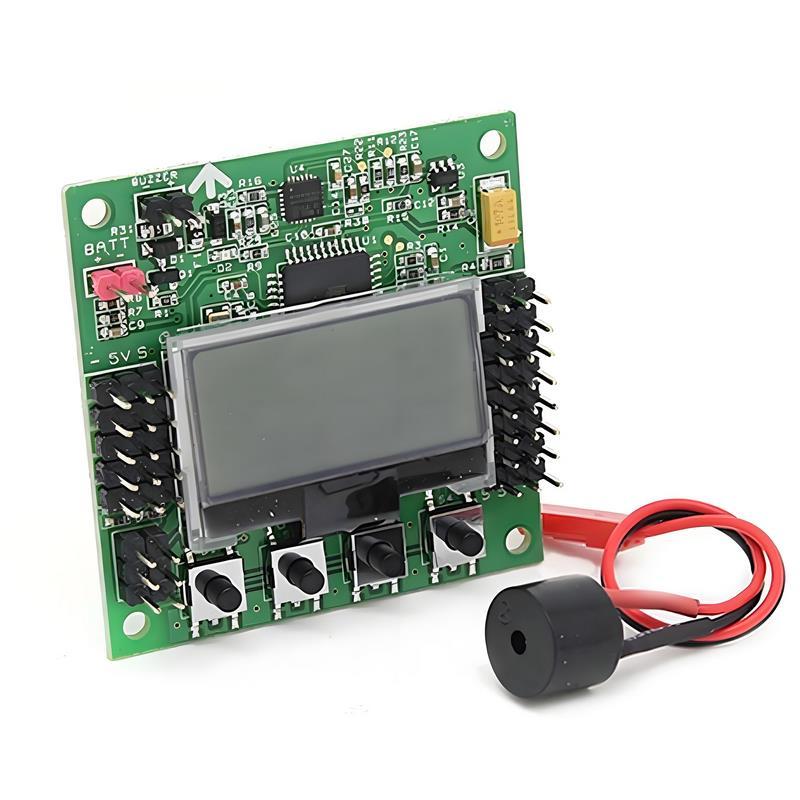
Once the PCB design is finalized, the assembly process begins. This involves placing various electronic components onto the PCB, such as microcontrollers, sensors, and communication modules. Precision is paramount in this stage, as any misalignment can lead to performance issues or even complete system failure. Automated pick-and-place machines are commonly used to enhance accuracy and efficiency in component placement.
Another critical aspect of UAV PCB assembly is testing and quality control. Each assembled board must undergo rigorous testing to ensure functionality and reliability. This can include electrical testing, thermal cycling tests, and vibration tests, simulating the conditions the UAV will face in its operational environment. Identifying and addressing potential issues during this stage is vital in preventing costly failures once the UAV is deployed.
Moreover, as UAV technology evolves, the demand for more sophisticated PCB assemblies increases. Innovations such as miniaturization and the integration of advanced features like GPS and real-time data transmission require continuous advancements in PCB design and manufacturing techniques. Professionals must stay abreast of these trends to ensure their UAV systems remain competitive in the market.
In conclusion, UAV PCB assembly is a foundational aspect of drone technology that requires meticulous attention to detail and a deep understanding of both electronics and the specific applications of UAVs. By focusing on quality manufacturing processes and being aware of the latest industry trends, professionals can contribute to the development of more efficient and reliable drones, meeting the growing demands of various sectors. Understanding the intricacies of UAV PCB assembly not only enhances the performance of drones but also drives innovation within the industry.
The first step in UAV PCB assembly is the design and fabrication of the PCB itself. This process requires a keen understanding of the specific requirements of UAV applications, such as weight restrictions, durability, and the ability to withstand varying environmental conditions. Engineers must select appropriate materials that can handle these demands, which often include lightweight substrates and robust soldering techniques.
Once the PCB design is finalized, the assembly process begins. This involves placing various electronic components onto the PCB, such as microcontrollers, sensors, and communication modules. Precision is paramount in this stage, as any misalignment can lead to performance issues or even complete system failure. Automated pick-and-place machines are commonly used to enhance accuracy and efficiency in component placement.
Another critical aspect of UAV PCB assembly is testing and quality control. Each assembled board must undergo rigorous testing to ensure functionality and reliability. This can include electrical testing, thermal cycling tests, and vibration tests, simulating the conditions the UAV will face in its operational environment. Identifying and addressing potential issues during this stage is vital in preventing costly failures once the UAV is deployed.
Moreover, as UAV technology evolves, the demand for more sophisticated PCB assemblies increases. Innovations such as miniaturization and the integration of advanced features like GPS and real-time data transmission require continuous advancements in PCB design and manufacturing techniques. Professionals must stay abreast of these trends to ensure their UAV systems remain competitive in the market.
In conclusion, UAV PCB assembly is a foundational aspect of drone technology that requires meticulous attention to detail and a deep understanding of both electronics and the specific applications of UAVs. By focusing on quality manufacturing processes and being aware of the latest industry trends, professionals can contribute to the development of more efficient and reliable drones, meeting the growing demands of various sectors. Understanding the intricacies of UAV PCB assembly not only enhances the performance of drones but also drives innovation within the industry.
Related news

Request A Quote
Please feel free to contact us at any time, and we will wholeheartedly provide you with the highest quality service and support.