




Ask For A Quick Quote
We will contact you within one working day. Please pay attention to your email.
Request a Sample
With the mission of “Smart Manufacturing - Global Delivery”, we help our customers shorten the time-to-market and optimize the supply chain cost through continuous technology iteration and digital upgrading. We look forward to working with you to define the future of electronic manufacturing!
- Technology Driven Intelligent Manufacturing
- Full-process quality control
- In-depth industry experience
- Agile Service Network
Elevator Control PCB Assembly: Essential Factors for Selecting Quality Components
2026-08-24
Elevator Control PCB Assembly: Essential Factors for Selecting Quality Components
Table of Contents
- Understanding Elevator Control PCB Assembly
- The Importance of Quality Components in Elevator Systems
- Key Features of High-Quality Elevator Control PCB Components
- Reliability and Longevity
- Safety Standards and Compliance
- Compatibility with Modern Technologies
- Cost-Effectiveness
- Evaluating Suppliers for Elevator Control PCB Components
- The Role of Testing and Quality Assurance
- Future Trends in Elevator Control PCB Assembly
- FAQs
- Conclusion
Understanding Elevator Control PCB Assembly
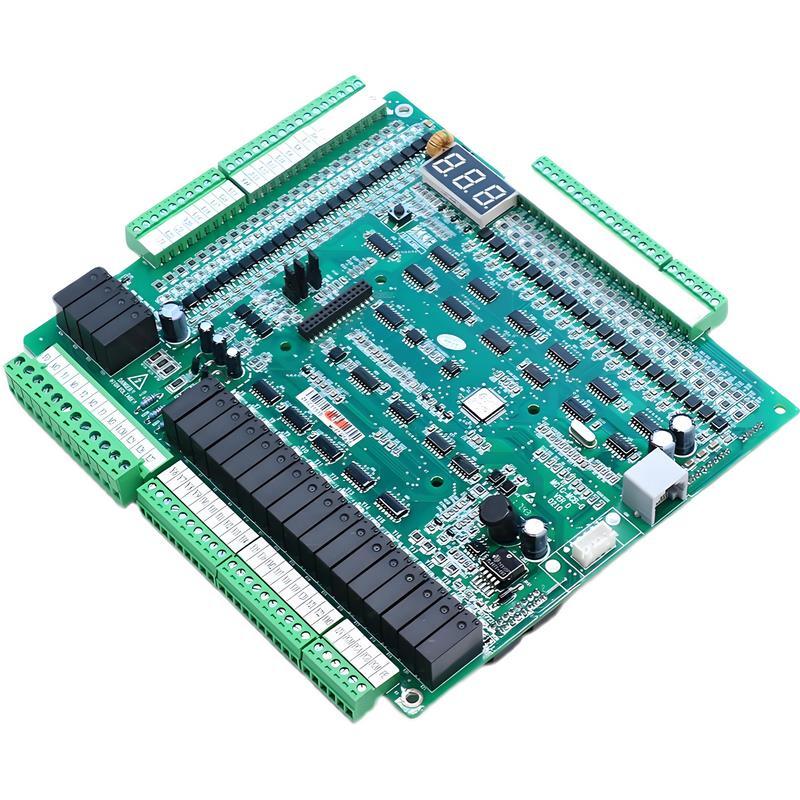
Elevator control PCB assembly is a critical aspect of elevator systems that ensures smooth and safe operation. The printed circuit boards (PCBs) serve as the central nervous system of the elevator, controlling functions such as acceleration, deceleration, and emergency responses. With the growing complexity of modern elevators, the need for high-quality components has never been more paramount.
The Importance of Quality Components in Elevator Systems
Choosing **quality components** for elevator control PCB assembly is essential for several reasons. High-quality parts ensure that the elevator operates efficiently, safely, and reliably. They minimize the risk of malfunctions, which can lead to costly repairs, downtime, and, most importantly, safety hazards for passengers.
Furthermore, the reputation of elevator manufacturers and maintenance companies largely depends on the quality of the components used in their systems. Investing in top-notch components not only enhances the performance of the elevator but also builds trust with customers.
Key Features of High-Quality Elevator Control PCB Components
When selecting components for elevator control PCB assembly, it’s crucial to consider various features that define their quality. Below are the key attributes to look for:
Reliability and Longevity
Reliability is one of the most critical factors for elevator control systems. High-quality components should have a proven track record of durability and minimal failure rates. Look for components that come with warranties and have undergone rigorous testing.
Longevity is equally important, as components that wear out quickly can lead to frequent replacements and increased maintenance costs. Select components made from high-grade materials that can withstand the rigors of constant use.
Safety Standards and Compliance
Safety is non-negotiable in elevator systems. Ensure that the components you choose comply with relevant safety standards, such as EN 81 and ISO 25745. These standards are designed to ensure that elevators operate safely and efficiently in various environments.
Additionally, components should be certified by recognized organizations to confirm they meet stringent safety requirements. This certification can provide peace of mind and assurance to both manufacturers and end-users.
Compatibility with Modern Technologies
With the rapid advancement of technology, it’s vital that the components used in elevator control PCB assembly are compatible with modern control systems. Look for parts that support smart technology and IoT (Internet of Things) integrations, which can enhance operational efficiency and offer real-time data for maintenance predictions.
Furthermore, compatibility with current software and hardware is crucial to avoid the pitfalls of outdated technology that may not support future upgrades.
Cost-Effectiveness
While high-quality components may come with a higher upfront cost, the long-term savings they provide can make them more cost-effective. Evaluate the total cost of ownership, including maintenance and potential downtime, when considering component quality.
Investing in reliable components often means fewer repairs, longer service life, and reduced operational disruptions, making it a financially sound choice in the long run.
Evaluating Suppliers for Elevator Control PCB Components
Choosing the right supplier for elevator control PCB components is just as crucial as selecting the components themselves. Here are some tips for evaluating potential suppliers:
- **Reputation and Experience**: Look for suppliers with a proven track record in the elevator industry. Reading customer reviews and testimonials can provide insights into their reliability and quality.
- **Quality Assurance Processes**: A reputable supplier will have stringent quality assurance processes in place to ensure that their components meet the necessary standards. Inquire about their testing procedures and certification processes.
- **Customer Support Services**: Good customer support can make a significant difference when issues arise. Choose suppliers who offer responsive and knowledgeable support to assist you with any concerns.
- **Innovation and R&D**: Suppliers that invest in research and development are likely to offer cutting-edge solutions and improvements that can enhance your elevator systems.
The Role of Testing and Quality Assurance
Testing and quality assurance are vital components of the elevator control PCB assembly process. Rigorous testing ensures that each component functions correctly and adheres to safety standards before being integrated into the elevator systems.
Quality assurance processes should encompass the entire lifecycle of the components, from design and manufacturing to installation and maintenance. Implementing thorough testing protocols can help identify potential issues early, thereby minimizing risks and enhancing overall system reliability.
Future Trends in Elevator Control PCB Assembly
The elevator industry is evolving rapidly, influenced by advancements in technology and changing consumer expectations. Here are some future trends to watch for in elevator control PCB assembly:
- **Increased Automation**: As automation becomes more prevalent, elevator systems will incorporate advanced control systems that require highly specialized components.
- **Sustainability and Energy Efficiency**: The push for greener technologies will lead to the development of components that improve energy efficiency and reduce environmental impact.
- **Smart Elevators**: Integration with smart building systems will become standard, requiring components that facilitate communication between elevators and other building systems.
- **Predictive Maintenance**: The use of IoT sensors will enable predictive maintenance, allowing for real-time monitoring and minimizing unexpected failures.
FAQs
What are the common types of components used in elevator control PCB assemblies?
Common components include microcontrollers, relay switches, sensors, and power supply units. Each plays a specific role in ensuring seamless elevator operation.
How often should elevator control PCBs be tested?
Testing should occur regularly as part of maintenance schedules, with comprehensive assessments every six months to ensure optimal functionality and safety.
What certifications should elevator control components have?
Look for certifications such as CE, UL, and ISO, which indicate that components meet international safety and quality standards.
Can I use generic components for elevator control PCBs?
Using generic components is not recommended, as they may not meet safety standards or compatibility requirements specific to elevator systems.
Why is supplier evaluation important for elevator components?
A thorough evaluation of suppliers ensures you select partners who provide quality, reliable components, ultimately enhancing the performance and safety of your elevator systems.
Conclusion
Selecting quality components for elevator control PCB assembly is a multifaceted process that requires careful consideration of reliability, safety, compatibility, and cost-effectiveness. By focusing on these essential factors and evaluating suppliers diligently, we can ensure that our elevator systems operate at peak performance and meet the evolving demands of modern technology. Investing in high-quality components not only enhances the user experience but also contributes to the overall safety and longevity of elevator systems, ultimately solidifying confidence among users and stakeholders alike.
Related news

Request A Quote
Please feel free to contact us at any time, and we will wholeheartedly provide you with the highest quality service and support.