




Ask For A Quick Quote
We will contact you within one working day. Please pay attention to your email.
Request a Sample
With the mission of “Smart Manufacturing - Global Delivery”, we help our customers shorten the time-to-market and optimize the supply chain cost through continuous technology iteration and digital upgrading. We look forward to working with you to define the future of electronic manufacturing!
- Technology Driven Intelligent Manufacturing
- Full-process quality control
- In-depth industry experience
- Agile Service Network
Understanding Elevator Control PCB Assembly: Key Insights for Professionals
2026-09-08
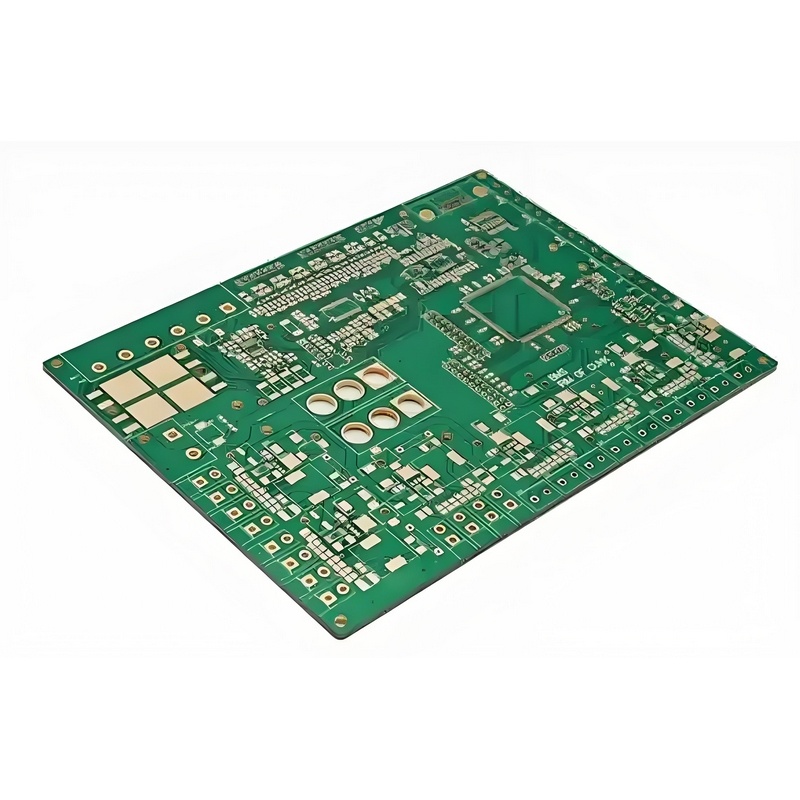
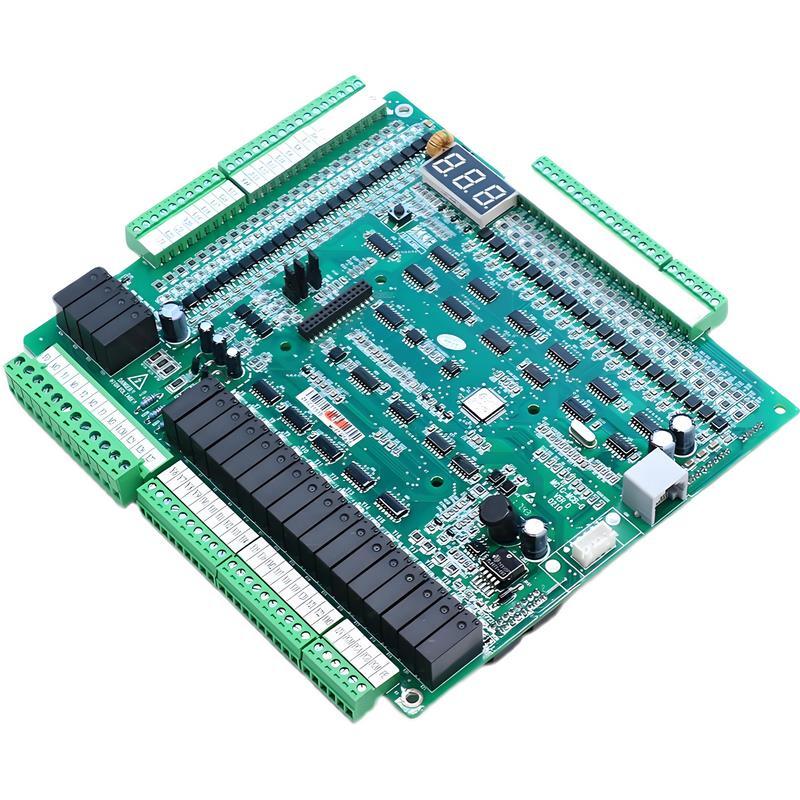
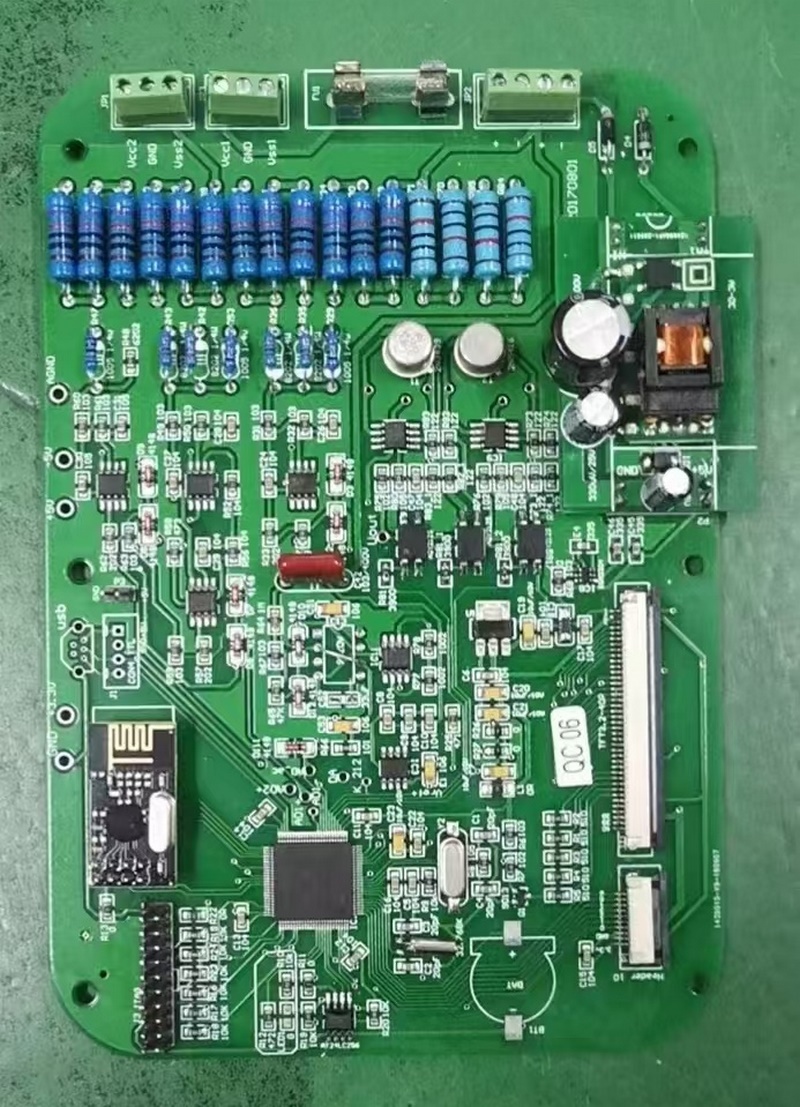
Elevator Control PCB Assembly plays a crucial role in the modern building infrastructure, ensuring safe, reliable, and efficient vertical transportation. At its core, this assembly involves the integration of various electronic components onto a printed circuit board (PCB) that facilitates the control and operation of elevator systems. Understanding the intricacies of this assembly is essential for professionals in the electronic components industry as it encompasses a range of technologies and engineering principles.
One of the primary functions of the elevator control PCB is to manage the operational logic of elevator systems. This includes controlling the motor, floor selection, door operations, and safety mechanisms. Each of these functions is executed by specific circuits and components, making the design and assembly of the PCB a meticulous process. Engineers must ensure that the PCB design accommodates the necessary power and signal routing while adhering to safety standards and regulations.
The assembly process typically involves several key steps: designing the PCB layout, sourcing high-quality electronic components, soldering components onto the board, and performing rigorous testing to ensure functionality and reliability. Professionals must be well-versed in techniques such as surface mount technology (SMT) and through-hole soldering to ensure optimal performance of the elevator control system.
Moreover, thermal management is another critical aspect of Elevator Control PCB Assembly. Elevators operate in diverse environments, and the control systems can generate heat during operation. Proper thermal management strategies, including heat sinks and thermal vias, must be integrated into the PCB design to prevent overheating and ensure longevity.
Additionally, as smart technology becomes increasingly integrated into elevator systems, the role of the Elevator Control PCB is evolving. Incorporating IoT capabilities allows for remote monitoring and predictive maintenance, enhancing efficiency and user experience. Professionals in this field must stay updated with technological advancements to ensure their designs remain competitive and innovative.
In conclusion, Elevator Control PCB Assembly is a complex yet fascinating area within the electronic components industry. By mastering the various components, design considerations, and emerging technologies, professionals can significantly contribute to the advancement of vertical transportation systems. Understanding these elements not only enhances individual expertise but also plays a vital role in the future of smart building technologies.
One of the primary functions of the elevator control PCB is to manage the operational logic of elevator systems. This includes controlling the motor, floor selection, door operations, and safety mechanisms. Each of these functions is executed by specific circuits and components, making the design and assembly of the PCB a meticulous process. Engineers must ensure that the PCB design accommodates the necessary power and signal routing while adhering to safety standards and regulations.
The assembly process typically involves several key steps: designing the PCB layout, sourcing high-quality electronic components, soldering components onto the board, and performing rigorous testing to ensure functionality and reliability. Professionals must be well-versed in techniques such as surface mount technology (SMT) and through-hole soldering to ensure optimal performance of the elevator control system.
Moreover, thermal management is another critical aspect of Elevator Control PCB Assembly. Elevators operate in diverse environments, and the control systems can generate heat during operation. Proper thermal management strategies, including heat sinks and thermal vias, must be integrated into the PCB design to prevent overheating and ensure longevity.
Additionally, as smart technology becomes increasingly integrated into elevator systems, the role of the Elevator Control PCB is evolving. Incorporating IoT capabilities allows for remote monitoring and predictive maintenance, enhancing efficiency and user experience. Professionals in this field must stay updated with technological advancements to ensure their designs remain competitive and innovative.
In conclusion, Elevator Control PCB Assembly is a complex yet fascinating area within the electronic components industry. By mastering the various components, design considerations, and emerging technologies, professionals can significantly contribute to the advancement of vertical transportation systems. Understanding these elements not only enhances individual expertise but also plays a vital role in the future of smart building technologies.
Related news

Request A Quote
Please feel free to contact us at any time, and we will wholeheartedly provide you with the highest quality service and support.