




Ask For A Quick Quote
We will contact you within one working day. Please pay attention to your email.
Request a Sample
With the mission of “Smart Manufacturing - Global Delivery”, we help our customers shorten the time-to-market and optimize the supply chain cost through continuous technology iteration and digital upgrading. We look forward to working with you to define the future of electronic manufacturing!
- Technology Driven Intelligent Manufacturing
- Full-process quality control
- In-depth industry experience
- Agile Service Network
Understanding Facial Recognition PCB Assembly: An Overview of Key Components and Processes
2026-08-21
Facial recognition technology has become an integral part of various applications, from security systems to personal devices. At the heart of this innovation is the Facial Recognition PCB Assembly, which plays a critical role in ensuring the functionality and efficiency of recognition systems. The assembly process involves multiple steps, including design, manufacturing, and testing, each of which is essential for creating reliable electronic systems.
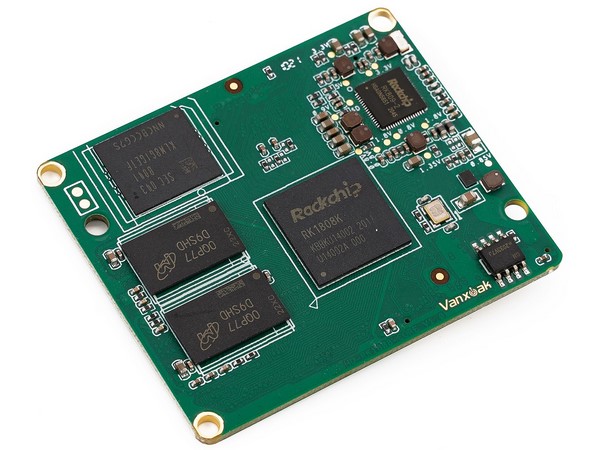
The first component in Facial Recognition PCB Assembly is the microprocessor. This central unit is responsible for processing the large amounts of data captured by cameras, using complex algorithms to identify and match facial features. The speed and efficiency of the microprocessor directly impact the system's performance, making its selection crucial.
Next, sensors are vital elements in the assembly. These components capture images and convert them into electronic signals. High-quality image sensors, such as CMOS or CCD, are often used to ensure that the facial recognition system can accurately capture details even in varying lighting conditions. The integration of these sensors with the PCB must be executed with precision, as any discrepancies can lead to errors in recognition.
Additionally, memory chips are essential for storing algorithms and data. These chips allow the system to quickly access and process information, which is especially important in real-time applications like security surveillance. The type and capacity of memory used in Facial Recognition PCB Assembly can significantly affect the overall performance and capabilities of the system.
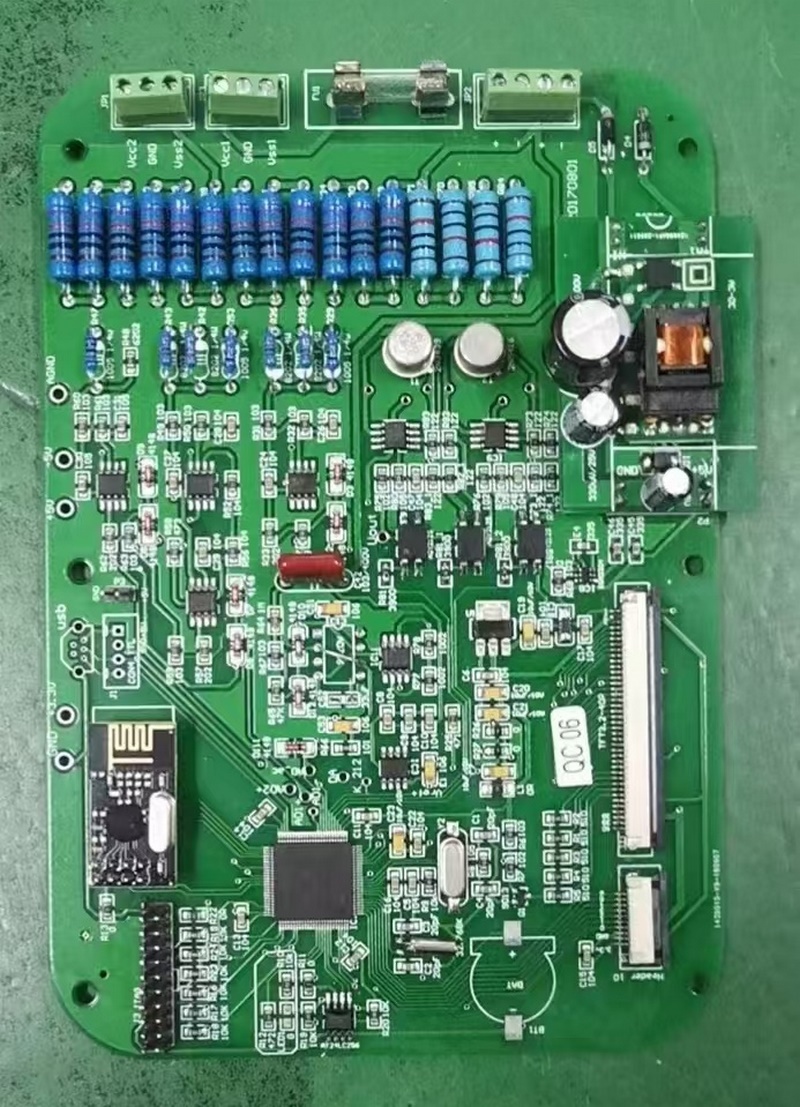
Another crucial aspect of the assembly process is ensuring proper connectivity. This involves routing signals across the PCB and connecting various components through soldering or surface mount technology. Good connectivity helps minimize data loss and enhances the reliability of the facial recognition system.
Testing is an indispensable phase in Facial Recognition PCB Assembly. After the boards are assembled, they undergo rigorous testing to ensure that every component functions correctly. This includes both functional testing—where the system is evaluated under standard operating conditions—and stress testing, which assesses the system's performance under extreme conditions.
In conclusion, Facial Recognition PCB Assembly is a sophisticated process that combines various electronic components to create a functional and reliable system. Understanding the individual components—such as microprocessors, sensors, and memory chips—along with the assembly and testing processes is essential for anyone interested in the field of electronics and technology. As facial recognition continues to expand its applications, the importance of effective PCB assembly will only grow, making this knowledge invaluable for professionals and enthusiasts alike.
The first component in Facial Recognition PCB Assembly is the microprocessor. This central unit is responsible for processing the large amounts of data captured by cameras, using complex algorithms to identify and match facial features. The speed and efficiency of the microprocessor directly impact the system's performance, making its selection crucial.
Next, sensors are vital elements in the assembly. These components capture images and convert them into electronic signals. High-quality image sensors, such as CMOS or CCD, are often used to ensure that the facial recognition system can accurately capture details even in varying lighting conditions. The integration of these sensors with the PCB must be executed with precision, as any discrepancies can lead to errors in recognition.
Additionally, memory chips are essential for storing algorithms and data. These chips allow the system to quickly access and process information, which is especially important in real-time applications like security surveillance. The type and capacity of memory used in Facial Recognition PCB Assembly can significantly affect the overall performance and capabilities of the system.
Another crucial aspect of the assembly process is ensuring proper connectivity. This involves routing signals across the PCB and connecting various components through soldering or surface mount technology. Good connectivity helps minimize data loss and enhances the reliability of the facial recognition system.
Testing is an indispensable phase in Facial Recognition PCB Assembly. After the boards are assembled, they undergo rigorous testing to ensure that every component functions correctly. This includes both functional testing—where the system is evaluated under standard operating conditions—and stress testing, which assesses the system's performance under extreme conditions.
In conclusion, Facial Recognition PCB Assembly is a sophisticated process that combines various electronic components to create a functional and reliable system. Understanding the individual components—such as microprocessors, sensors, and memory chips—along with the assembly and testing processes is essential for anyone interested in the field of electronics and technology. As facial recognition continues to expand its applications, the importance of effective PCB assembly will only grow, making this knowledge invaluable for professionals and enthusiasts alike.
Related news

Request A Quote
Please feel free to contact us at any time, and we will wholeheartedly provide you with the highest quality service and support.