




Ask For A Quick Quote
We will contact you within one working day. Please pay attention to your email.
Request a Sample
With the mission of “Smart Manufacturing - Global Delivery”, we help our customers shorten the time-to-market and optimize the supply chain cost through continuous technology iteration and digital upgrading. We look forward to working with you to define the future of electronic manufacturing!
- Technology Driven Intelligent Manufacturing
- Full-process quality control
- In-depth industry experience
- Agile Service Network
Innovative Solutions: Leveraging Precision Instruments for PCB Assembly Challenges
2026-09-11
Innovative Solutions: Leveraging Precision Instruments for PCB Assembly Challenges
Table of Contents
- 1. Introduction to PCB Assembly Challenges
- 2. The Importance of Precision Instruments in PCB Assembly
- 3. Common Challenges Faced in PCB Assembly
- 4. Innovative Solutions to PCB Assembly Challenges
- 5. Impact of Precision Instruments on Quality and Efficiency
- 6. Future Trends in PCB Assembly Technology
- 7. Real-World Case Studies
- 8. Conclusion
- 9. Frequently Asked Questions (FAQs)
1. Introduction to PCB Assembly Challenges
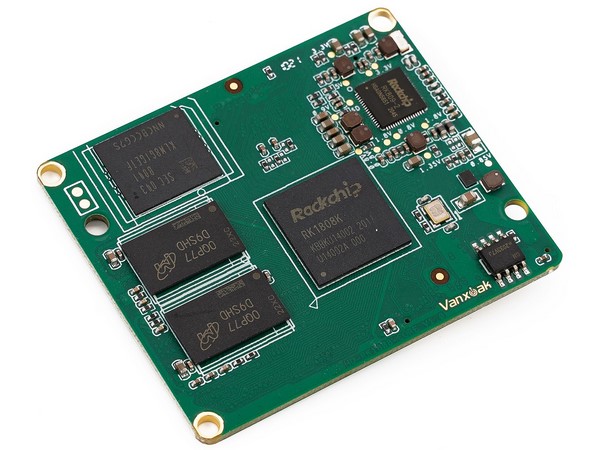
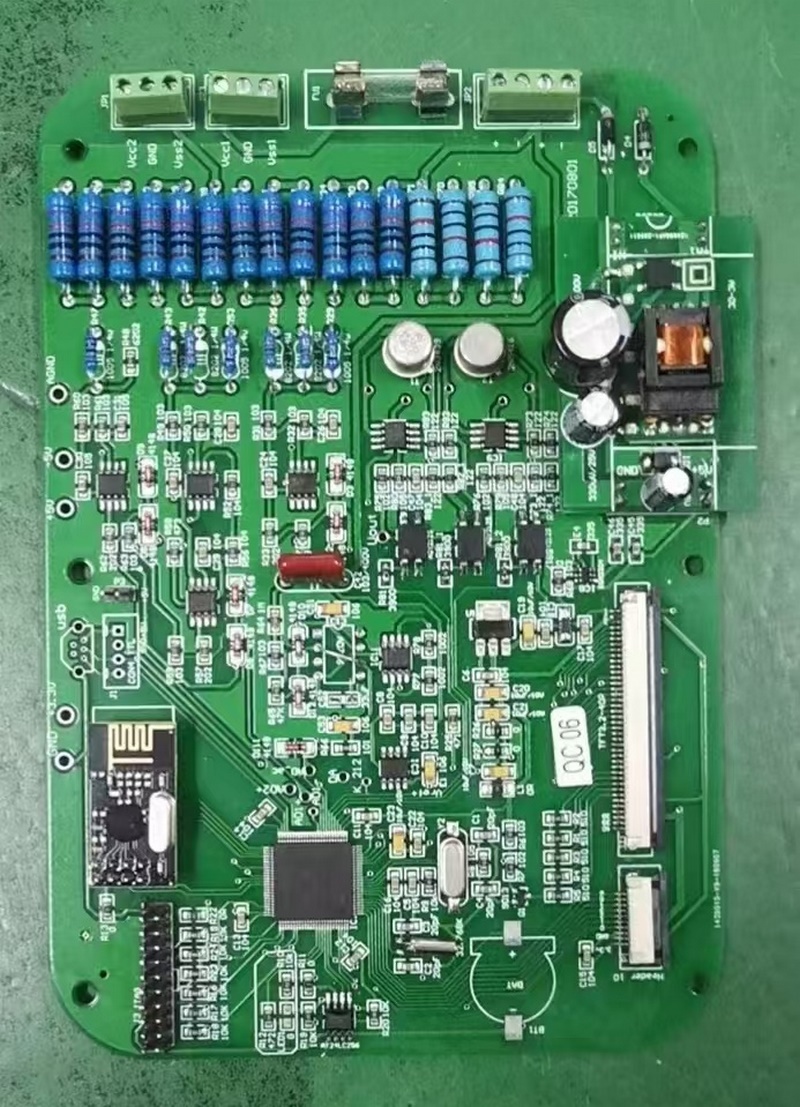
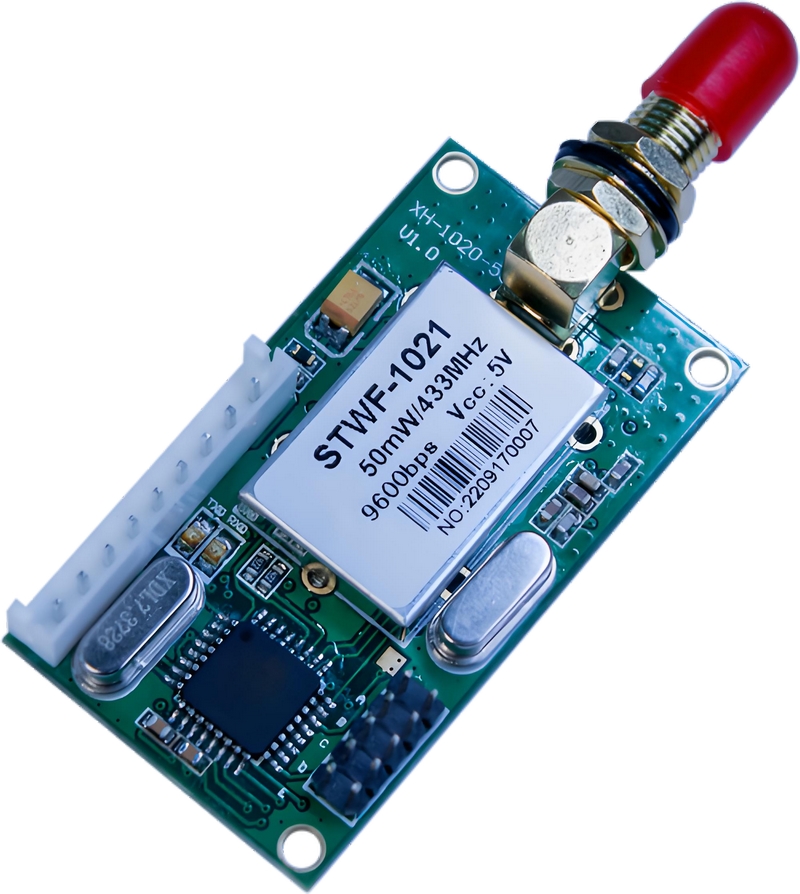
In the ever-evolving landscape of electronics manufacturing, **Printed Circuit Board (PCB) assembly** stands as a critical component. As the demand for more intricate and compact electronic devices grows, so do the challenges associated with PCB assembly. Companies face issues ranging from design complexities to production inefficiencies. To navigate these challenges, the integration of **precision instruments** has emerged as a transformative solution, elevating assembly processes to new heights of accuracy and reliability.
2. The Importance of Precision Instruments in PCB Assembly
Precision instruments play a vital role in overcoming traditional bottlenecks in PCB assembly. These instruments ensure that every component is accurately placed and secured, reducing defects and enhancing the overall efficacy of the assembly line. By leveraging advanced technologies, manufacturers can reduce human error, improve product quality, and maximize throughput.
3. Common Challenges Faced in PCB Assembly
PCB assembly presents several challenges that can hinder production efficiency:
3.1 Component Placement Accuracy
The accuracy of placing components on PCB is paramount. Misalignment can lead to malfunctioning circuits, necessitating costly rework and delays in production.
3.2 Thermal Management
Effective thermal management is crucial to prevent overheating and ensure optimal performance. Failure to manage heat effectively can lead to premature component failure.
3.3 Circuit Integrity
Maintaining the integrity of electrical connections is essential. Any disruption can result in signal loss or complete circuit failure.
3.4 Quality Control
Ensuring consistent quality across batches is a significant challenge. Implementing robust quality control measures is vital for maintaining client trust and satisfaction.
4. Innovative Solutions to PCB Assembly Challenges
Addressing these challenges requires innovative solutions that incorporate precision instruments. Here, we explore several cutting-edge technologies revolutionizing the PCB assembly landscape:
4.1 Automated Assembly Techniques
Automation has radically transformed PCB assembly. Utilizing robotic placement systems increases the speed and accuracy of component placement. Automated machines can consistently handle complex placement tasks that would be impossible for human operators, minimizing errors and maximizing production efficiency.
4.2 Advanced Inspection Technologies
Advanced inspection technologies, such as **Automated Optical Inspection (AOI)** and **X-ray inspection**, are essential for ensuring quality throughout the assembly process. AOI systems can swiftly identify defects, including solder joint issues and component misalignment. Meanwhile, X-ray inspection allows for non-destructive analysis of internal connections, ensuring circuit integrity without compromising the PCB.
4.3 Precision Handling Tools
Precision handling tools are designed to reduce the risk of damage to delicate components during assembly. Tools such as **vacuum pick-and-place systems** and **ESD-safe tweezers** ensure secure handling of sensitive parts, contributing to an error-free assembly process.
5. Impact of Precision Instruments on Quality and Efficiency
The integration of precision instruments in PCB assembly yields significant improvements in both quality and efficiency. By reducing the likelihood of defects, manufacturers can achieve higher first-pass yields. This not only lowers production costs but also enhances customer satisfaction through reliable product performance.
Moreover, the ability to automate repetitive tasks frees up skilled labor for more complex problem-solving roles, fostering innovation within the workforce. As a result, companies that adopt precision instruments are better positioned to adapt to market demands and technological advancements.
6. Future Trends in PCB Assembly Technology
Looking ahead, several trends are shaping the future of PCB assembly.
6.1 Smart Manufacturing
With the rise of the Internet of Things (IoT), smart manufacturing is becoming a reality. Connected machines can provide real-time data analytics, enabling manufacturers to optimize processes and predict maintenance needs, enhancing overall operational efficiency.
6.2 Advanced Materials
Innovative materials, such as flexible substrates and high-frequency laminates, are paving the way for next-generation PCBs. These materials are designed to withstand more demanding applications, requiring new assembly techniques that precision instruments can facilitate.
6.3 Sustainability Practices
Sustainability is increasingly becoming a priority in electronics manufacturing. The development of eco-friendly materials and processes will not only meet regulatory requirements but also appeal to environmentally conscious consumers.
7. Real-World Case Studies
Examining real-world applications of precision instruments in PCB assembly provides insight into their effectiveness.
7.1 Case Study: Leading Electronics Manufacturer
A leading electronics manufacturer implemented automated placement systems and advanced inspection technologies in its production line. The result was a 30% increase in throughput and a significant reduction in quality control failures.
7.2 Case Study: Innovative Start-up
An innovative start-up focused on wearable technology adopted precision handling tools early in its product development. This approach allowed them to maintain high-quality standards while scaling production to meet rising demand.
8. Conclusion
In conclusion, the challenges of PCB assembly are substantial, but innovative solutions leveraging precision instruments offer a pathway to overcome these hurdles. By integrating advanced technologies such as automation, inspection systems, and precision handling tools, manufacturers can enhance quality, efficiency, and adaptability in an increasingly competitive landscape. As the industry continues to evolve, embracing these innovations will be crucial for maintaining a competitive edge and meeting the growing demands of modern electronics.
9. Frequently Asked Questions (FAQs)
FAQ 1: What are the main challenges in PCB assembly?
The main challenges include component placement accuracy, thermal management, circuit integrity, and quality control.
FAQ 2: How do precision instruments improve PCB assembly?
Precision instruments enhance PCB assembly by increasing accuracy, reducing human error, and improving overall process efficiency.
FAQ 3: What role does automation play in PCB assembly?
Automation speeds up the assembly process and ensures consistent placement of components, minimizing errors and increasing throughput.
FAQ 4: Why is quality control important in PCB assembly?
Quality control ensures that products meet industry standards and customer expectations, reducing defects and fostering brand loyalty.
FAQ 5: What trends are shaping the future of PCB assembly?
Trends include the rise of smart manufacturing, the use of advanced materials, and the adoption of sustainable practices in production processes.
This comprehensive exploration of innovative solutions in PCB assembly showcases how precision instruments are integral to overcoming the challenges the industry faces. By leveraging these technologies, manufacturers can not only improve their operational efficiencies but also ensure high-quality outcomes that meet consumer demands.
Related news

Request A Quote
Please feel free to contact us at any time, and we will wholeheartedly provide you with the highest quality service and support.