




Ask For A Quick Quote
We will contact you within one working day. Please pay attention to your email.
Request a Sample
With the mission of “Smart Manufacturing - Global Delivery”, we help our customers shorten the time-to-market and optimize the supply chain cost through continuous technology iteration and digital upgrading. We look forward to working with you to define the future of electronic manufacturing!
- Technology Driven Intelligent Manufacturing
- Full-process quality control
- In-depth industry experience
- Agile Service Network
The Essential Guide to UAV PCB Assembly: Innovations in Electronic Component Manufacturing
2025-12-08
---
UAV PCB assembly is a critical component in the production of unmanned aerial vehicles, which are increasingly being utilized across various sectors, including agriculture, surveillance, and delivery services. The integration of Printed Circuit Boards (PCBs) is essential for the overall functionality and performance of these advanced flying machines. This article delves into the various aspects of UAV PCB assembly, emphasizing the importance of precision, reliability, and innovation in the manufacturing process.
The assembly process begins with careful design and engineering of the PCB layout. This involves selecting the right materials, components, and configurations to ensure maximum efficiency and functionality for UAV applications. Given the unique operational demands faced by UAVs, including weight restrictions and environmental variables, the design must consider factors such as thermal management, signal integrity, and electromagnetic compatibility.
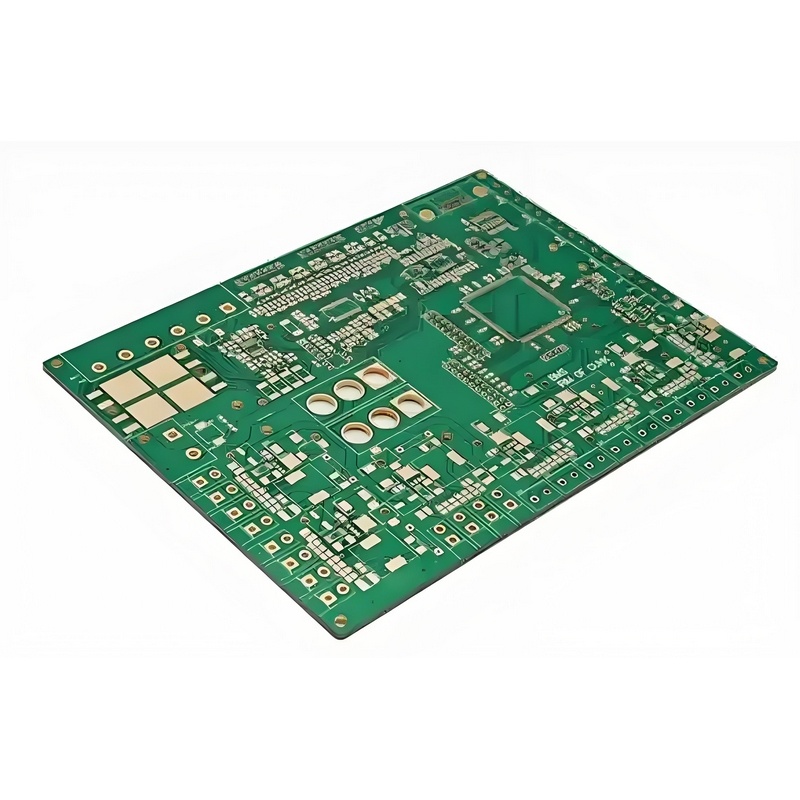
Once the design is finalized, the next step in UAV PCB assembly is fabrication. This stage involves the actual production of the printed circuit boards, which must meet stringent quality standards. Manufacturers often employ advanced technologies, such as surface mount technology (SMT) and through-hole technology, to optimize the placement of components. SMT, in particular, allows for a more compact and lightweight assembly, making it ideal for UAV applications where space and weight are critical.
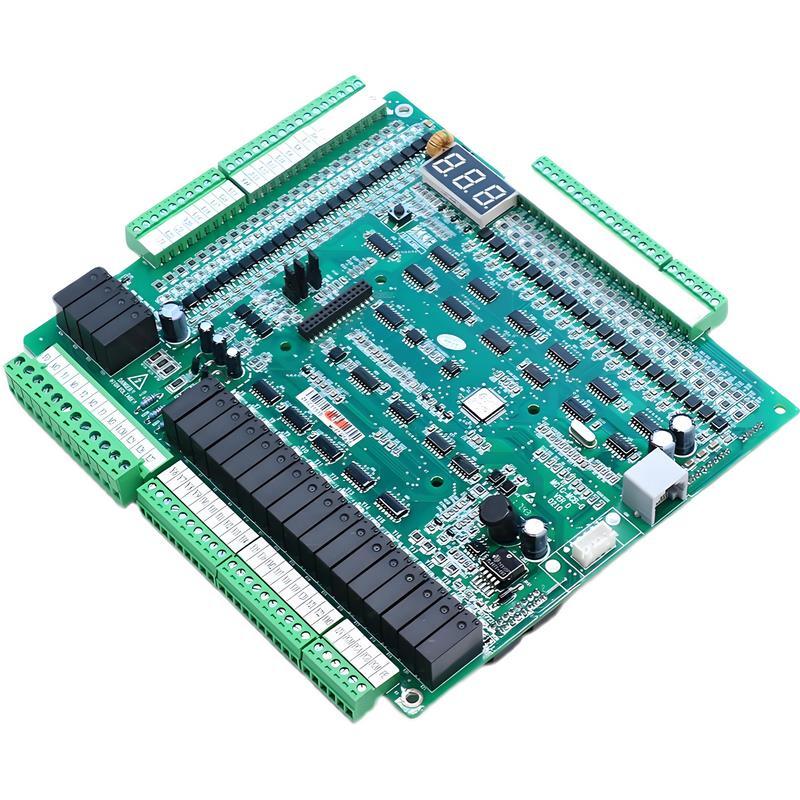
Following fabrication, the assembly phase incorporates various techniques to ensure that all components are securely attached to the PCB. Automated assembly lines often use pick-and-place machines for high-speed component placement, followed by soldering processes that can include wave soldering and reflow soldering. These methods not only enhance production speed but also significantly improve the precision of the assembly.
Quality assurance is a paramount consideration throughout the UAV PCB assembly process. Rigorous testing protocols, such as electrical testing, thermal cycling, and functional testing, are essential to verify that each PCB meets the required specifications before it is integrated into the UAV. This emphasis on quality control helps to mitigate potential operational failures in the field.
Moreover, as the UAV industry continues to evolve, manufacturers are increasingly focusing on sustainability and reducing environmental impact. This includes adopting eco-friendly materials and processes in PCB assembly, which is becoming a necessity in today's market.
In conclusion, UAV PCB assembly is a complex yet critical aspect of the electronics industry, driving innovation in unmanned systems. By understanding the intricacies of the assembly process, professionals in the field can enhance the reliability and performance of UAVs, ultimately leading to greater advancements in technology and its applications.
Related news

Request A Quote
Please feel free to contact us at any time, and we will wholeheartedly provide you with the highest quality service and support.