




Ask For A Quick Quote
We will contact you within one working day. Please pay attention to your email.
Request a Sample
With the mission of “Smart Manufacturing - Global Delivery”, we help our customers shorten the time-to-market and optimize the supply chain cost through continuous technology iteration and digital upgrading. We look forward to working with you to define the future of electronic manufacturing!
- Technology Driven Intelligent Manufacturing
- Full-process quality control
- In-depth industry experience
- Agile Service Network
Understanding UAV PCB Assembly: A Key Component in Drone Technology
2025-11-20
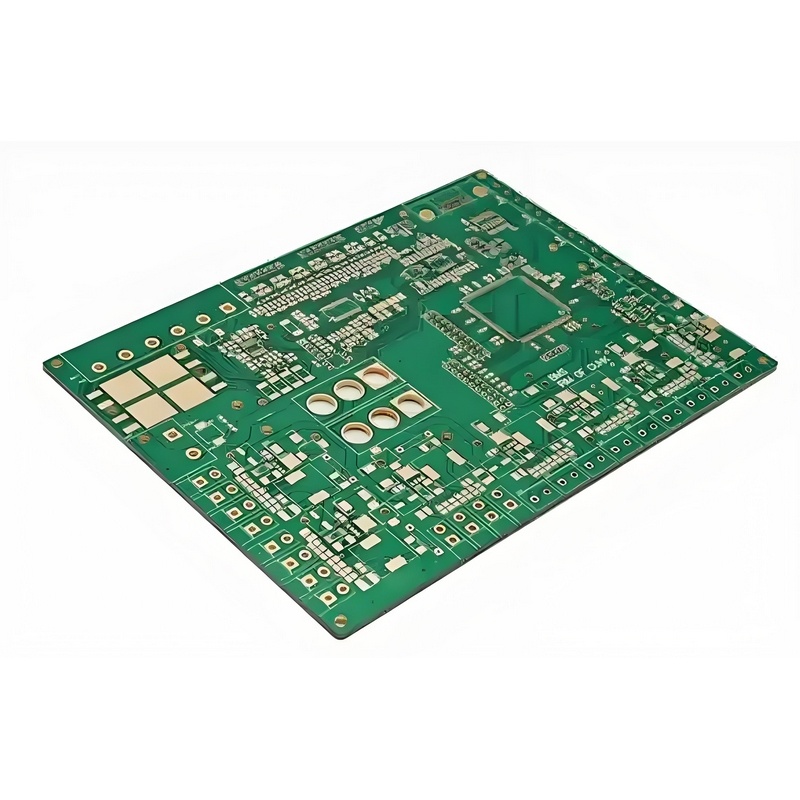
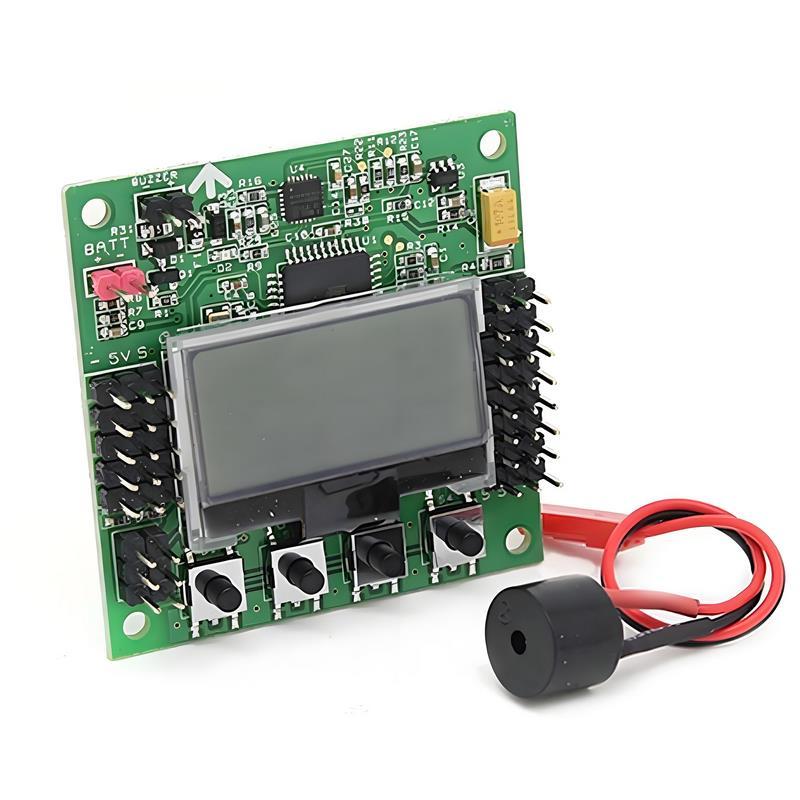
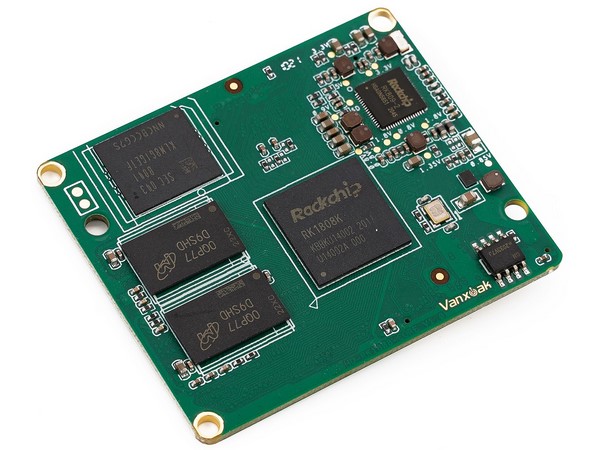
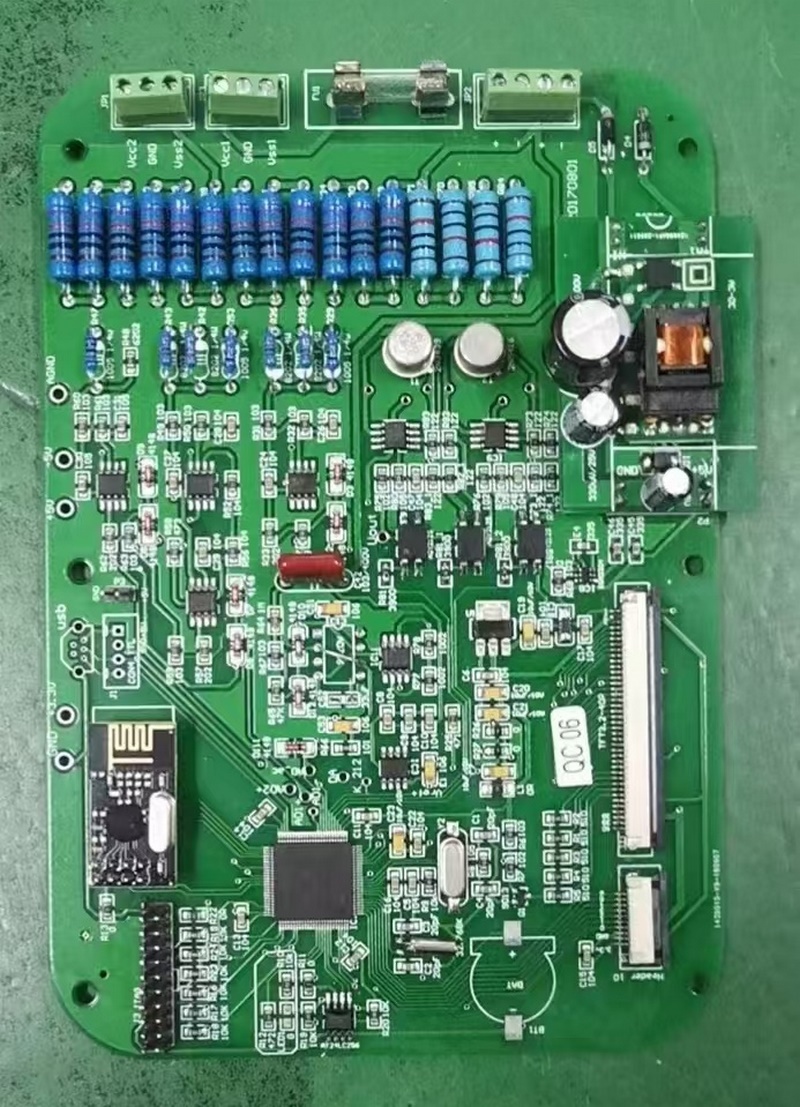
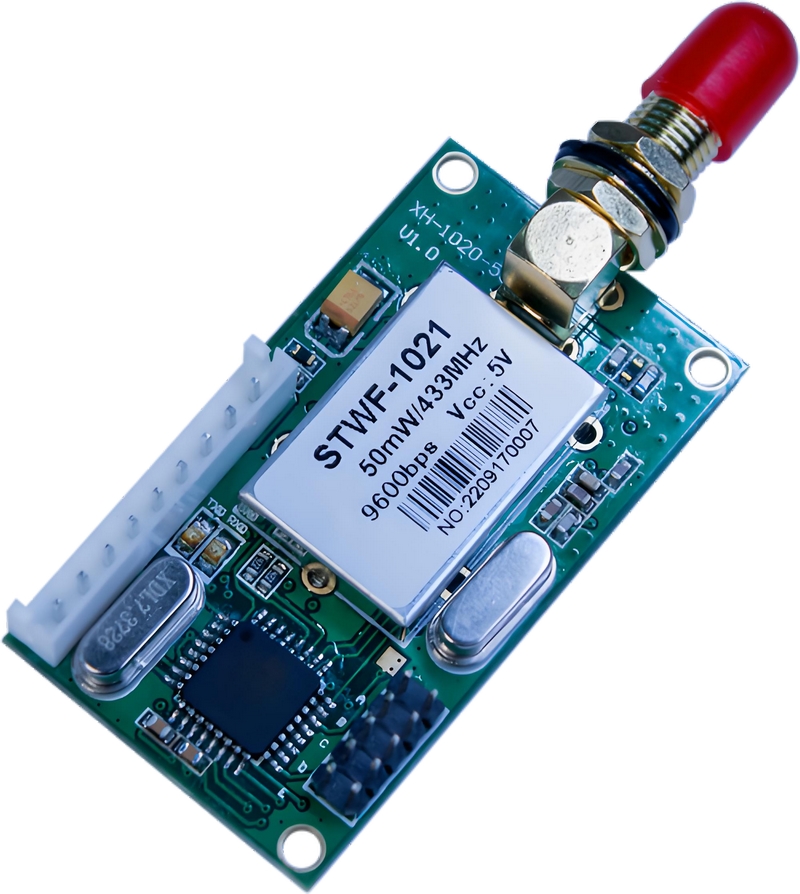
UAV PCB assembly is a vital process in the manufacturing of unmanned aerial vehicles, commonly known as drones. The printed circuit boards (PCBs) are the backbone of any electronic device, providing the necessary interconnections and support for various electronic components. In the context of UAVs, the assembly of these PCBs is crucial for ensuring the effective operation of flight control systems, navigation systems, communication modules, and sensor integration.
The UAV PCB assembly process typically involves several stages, including design, prototyping, fabrication, assembly, and testing. Initially, skilled engineers design the PCB layout using specialized software, considering factors such as size, weight, and the integration of multiple components. The design must also account for the specific environmental conditions that drones operate in, including vibration, temperature variations, and potential exposure to moisture.
After the design phase, the fabrication process begins. This involves the production of the PCB itself, which is usually made from materials that offer durability and thermal stability. Common materials include FR-4 epoxy fiberglass and polyimide, chosen for their excellent insulating properties and performance at varying temperatures.
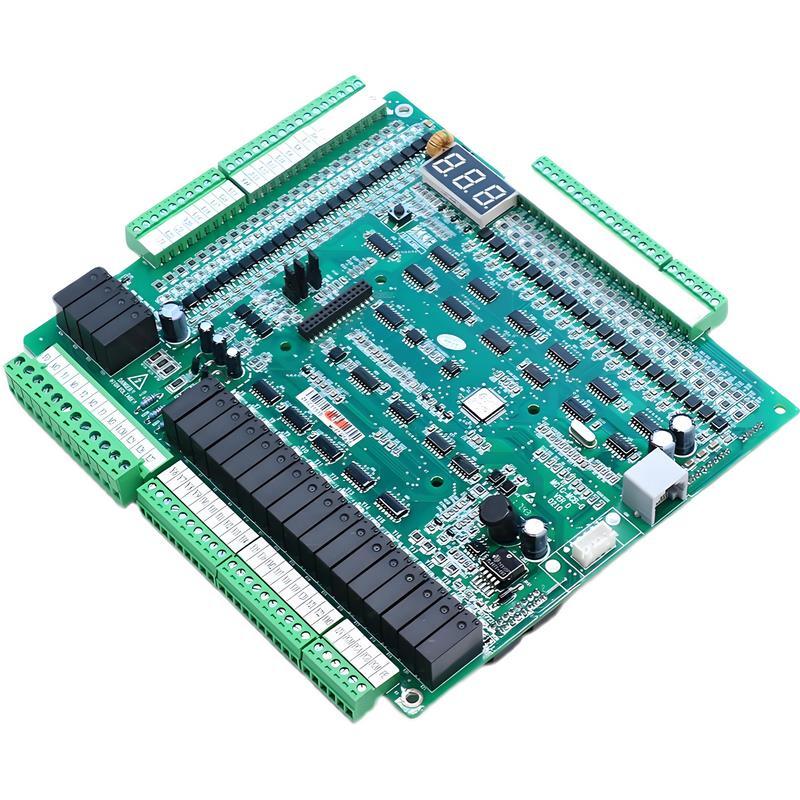
Once the PCB is fabricated, the assembly phase commences. This involves mounting various electronic components, such as microcontrollers, sensors, and power management chips, onto the PCB. Advanced techniques like surface mount technology (SMT) are often employed to ensure compactness and reliability. Quality assurance is a critical step during this phase, as any defects can lead to malfunction or failure of the UAV.
Testing is another crucial aspect of UAV PCB assembly. Each assembled board must undergo rigorous evaluation to ensure it meets the operational standards required for flight. Testing protocols may include functional testing, environmental testing, and reliability testing, among others. This thorough approach helps identify any potential issues before the UAV is deployed in real-world conditions.
In conclusion, UAV PCB assembly is an intricate process that requires a combination of technical expertise and quality control. As the demand for drones continues to grow across various industries, from agriculture to surveillance, the importance of reliable and efficient PCB assembly will only increase. Understanding this process allows for better insights into the technology and innovations that drive the drone industry forward, ultimately leading to safer and more effective UAV solutions.
Related news

Request A Quote
Please feel free to contact us at any time, and we will wholeheartedly provide you with the highest quality service and support.