




Ask For A Quick Quote
We will contact you within one working day. Please pay attention to your email.
Request a Sample
With the mission of “Smart Manufacturing - Global Delivery”, we help our customers shorten the time-to-market and optimize the supply chain cost through continuous technology iteration and digital upgrading. We look forward to working with you to define the future of electronic manufacturing!
- Technology Driven Intelligent Manufacturing
- Full-process quality control
- In-depth industry experience
- Agile Service Network
Understanding Elevator Control PCB Assembly: Key Insights for Professionals
2025-10-29
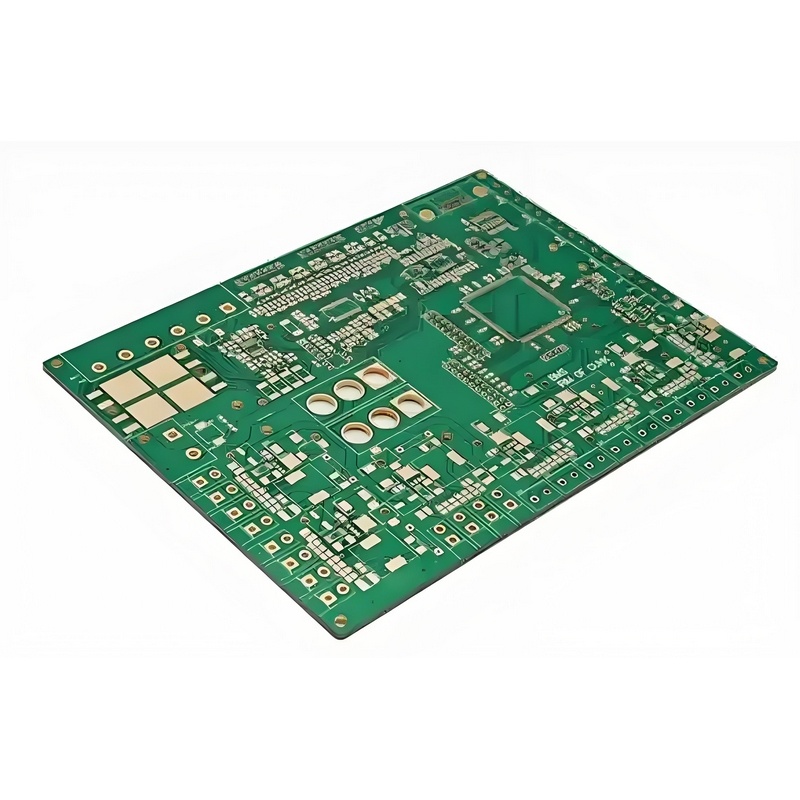
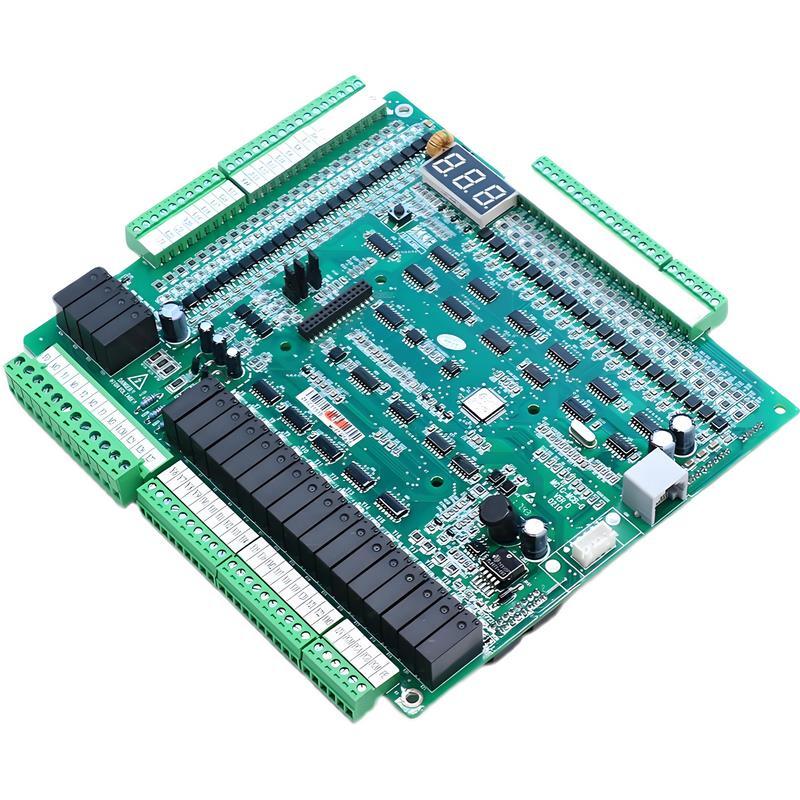
Elevator Control PCB Assembly plays a pivotal role in the functionality and reliability of modern elevator systems. At its core, a Printed Circuit Board (PCB) serves as the backbone of electronic devices, facilitating the interconnection of various components and ensuring efficient operation. In the context of elevators, the control PCB is responsible for managing the entire lift system, from start-up procedures to emergency stops.
One of the primary considerations in Elevator Control PCB Assembly is the complexity of the system. Elevators often involve multiple sensors, actuators, and control units that need to communicate seamlessly. Therefore, a well-designed PCB must incorporate advanced features that accommodate these components, such as multi-layer designs, signal integrity management, and thermal management solutions. By optimizing these factors, professionals can enhance the performance and longevity of the elevator systems.
Another crucial aspect is the adherence to industry standards and regulatory requirements. Elevators are subject to stringent safety regulations, which dictate the design and manufacturing processes of the control PCBs. Professionals involved in this field must ensure that their assemblies are compliant with standards such as EN 81 for safety rules for the construction and installation of lifts. Understanding these regulations is essential to mitigate risks and ensure the safety of users.
The selection of materials for PCB assembly also impacts the performance of elevator systems. High-quality substrates and components are necessary to withstand the operational stresses typical in elevator environments, including vibrations and temperature fluctuations. Additionally, professionals should consider the board's resistance to environmental factors like moisture and dust, which can affect the overall reliability.
In the competitive landscape of electronic components, the importance of efficient Elevator Control PCB Assembly cannot be overstated. By employing cutting-edge assembly techniques such as surface mount technology (SMT) and through-hole technology, professionals can ensure the high reliability and performance of their elevator control systems. These techniques facilitate the miniaturization of components, allowing for more compact designs that can fit into the limited space available in elevator control panels.
Lastly, the trend towards automation and smart technology integration in elevators presents new challenges and opportunities for PCB assembly professionals. Incorporating IoT capabilities, advanced diagnostics, and real-time monitoring can significantly improve the efficiency and safety of elevator systems. This transition requires ongoing education and adaptation to new technologies, making it imperative for professionals to stay informed on the latest advancements in the field.
In conclusion, Elevator Control PCB Assembly is a multifaceted process that requires a deep understanding of various technical and regulatory aspects. By focusing on quality design, material selection, and compliance with industry standards, professionals can contribute to the development of safe and efficient elevator systems that meet the demands of modern infrastructure.
Related news

Request A Quote
Please feel free to contact us at any time, and we will wholeheartedly provide you with the highest quality service and support.