




Ask For A Quick Quote
We will contact you within one working day. Please pay attention to your email.
Request a Sample
With the mission of “Smart Manufacturing - Global Delivery”, we help our customers shorten the time-to-market and optimize the supply chain cost through continuous technology iteration and digital upgrading. We look forward to working with you to define the future of electronic manufacturing!
- Technology Driven Intelligent Manufacturing
- Full-process quality control
- In-depth industry experience
- Agile Service Network
How Facial Recognition PCB Assembly is Transforming the Tech Landscape
2025-12-11
How Facial Recognition PCB Assembly is Transforming the Tech Landscape
Introduction to Facial Recognition PCB Assembly
Facial recognition technology has evolved to become a pivotal component in various applications, ranging from security systems to mobile devices. At the heart of this innovation lies **PCB (Printed Circuit Board) assembly**, which plays a crucial role in integrating the intricate electronic components required for facial recognition systems. This article delves into the transformative effects of facial recognition PCB assembly on the tech landscape, highlighting its significance, applications, and future potential.
The Role of PCB Assembly in Facial Recognition Technology
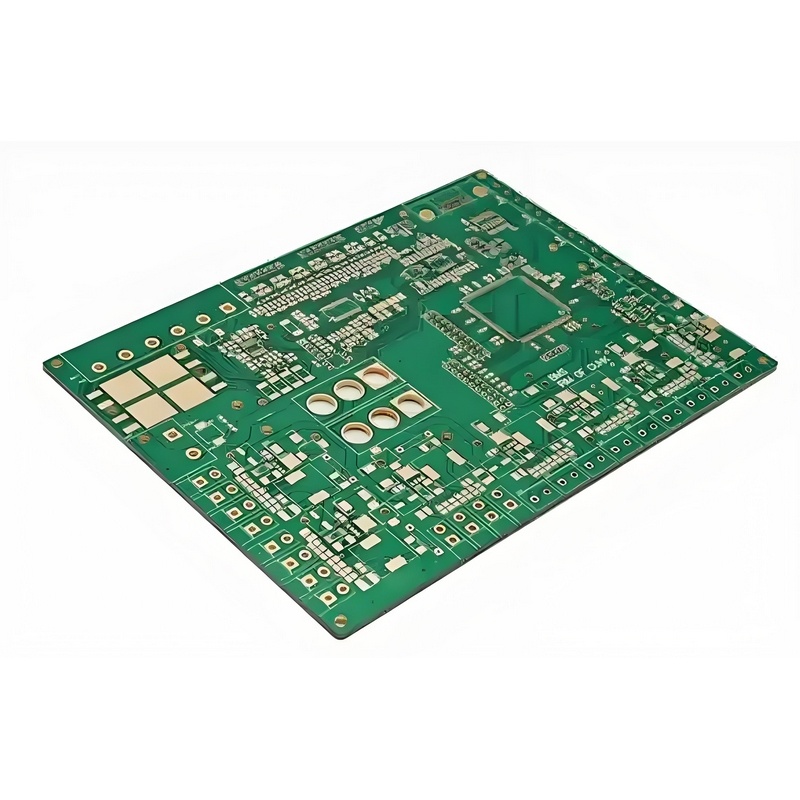
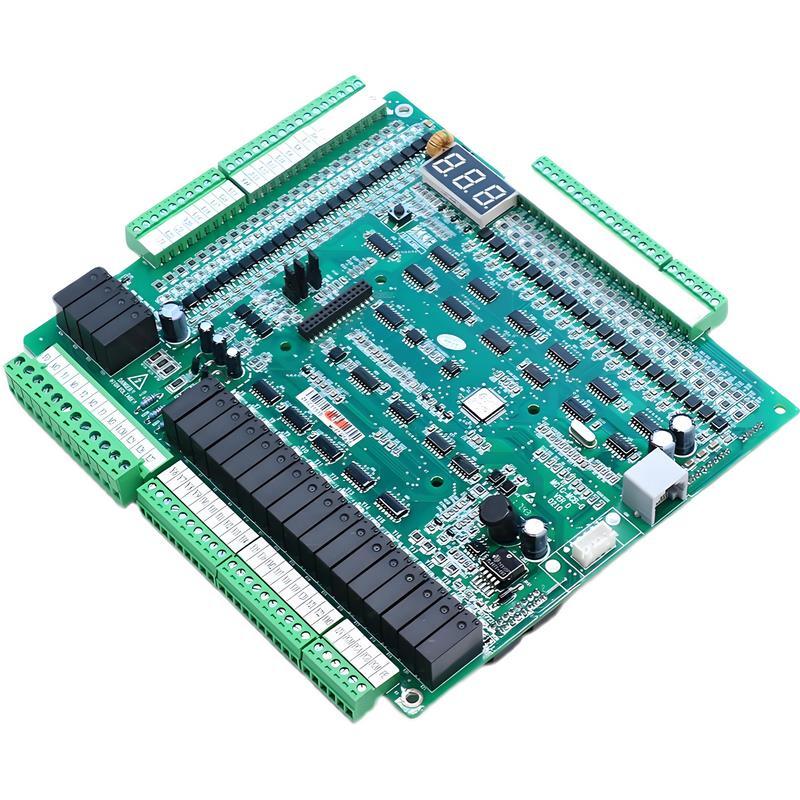
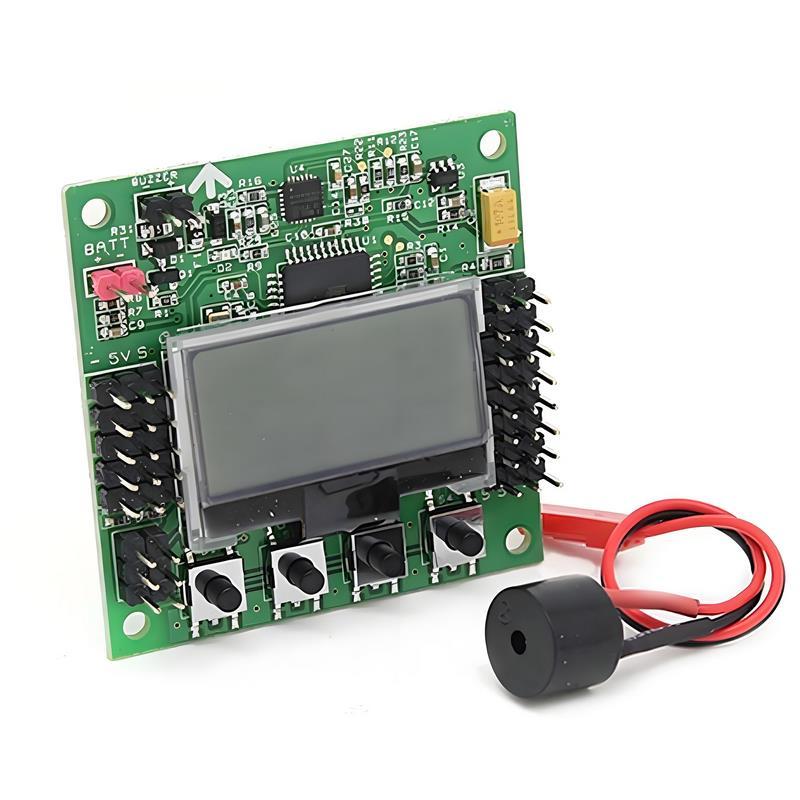
PCB assembly is the backbone of any electronic device that requires a reliable and efficient way to connect components. In facial recognition systems, **PCBs** enable the seamless integration of various electronic parts, ensuring that the system operates correctly and efficiently. This includes:
1. Component Integration
The **integration of sensors, processors, and memory chips** on PCBs allows facial recognition systems to perform complex algorithms and processes in real time. High-quality PCB assembly ensures that these components work harmoniously, reducing latency and improving overall performance.
2. Miniaturization and Design Flexibility
Modern PCB assembly technologies allow for greater miniaturization of components, which is essential for devices such as smartphones and security cameras. This flexibility in design enables manufacturers to create compact devices with powerful facial recognition capabilities without compromising performance.
3. Enhanced Reliability and Durability
With advanced manufacturing techniques, PCBs can be designed to withstand harsh environments. This durability is particularly significant for outdoor security applications where devices face exposure to weather conditions. Reliable PCBs ensure that facial recognition systems remain operational under various circumstances.
Applications of Facial Recognition PCB Assembly
The impact of facial recognition PCB assembly extends across several industries. Below are some of the critical applications:
1. Security and Surveillance Systems
Facial recognition technology has become a cornerstone of modern security solutions. Law enforcement agencies and private security firms utilize advanced PCBs to create systems capable of identifying individuals in real-time, enhancing public safety and crime prevention.
2. Access Control Systems
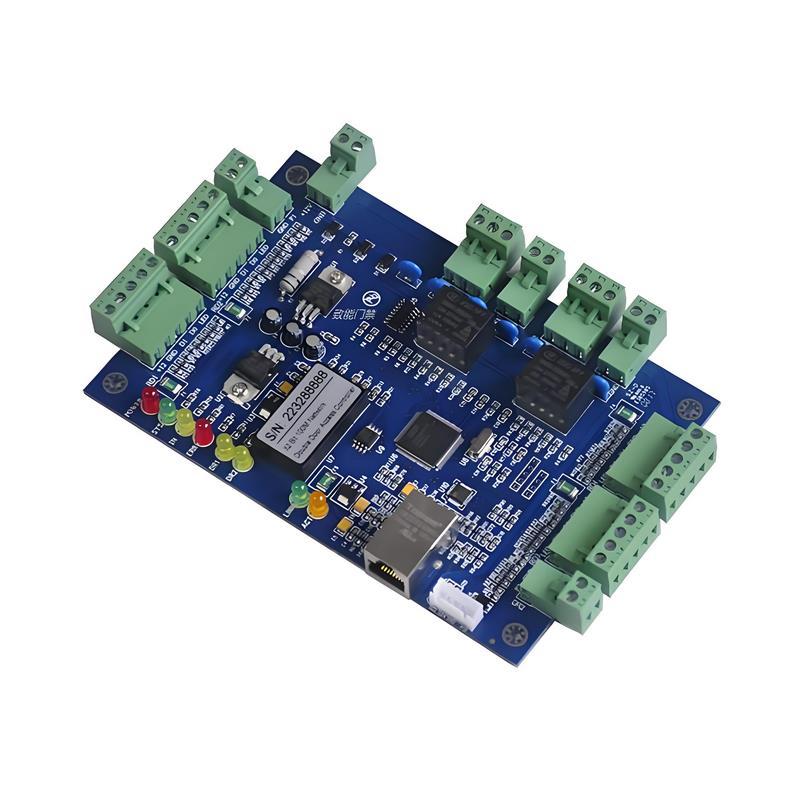
Incorporating facial recognition into access control systems offers a seamless way to secure premises. By using PCBs that integrate cameras and recognition software, organizations can replace traditional keycards with facial recognition, enhancing security while providing a more user-friendly experience.
3. Smart Devices and Home Automation
Smart home devices are increasingly adopting facial recognition capabilities to enhance security and user experience. PCBs in these devices enable the integration of cameras and computing power needed to recognize and respond to individuals, allowing for personalized settings and increased safety.
4. Retail and Customer Experience
Retailers leverage facial recognition technology to understand customer behavior and preferences better. By integrating facial recognition systems into their point-of-sale systems via efficient PCB assembly, businesses can enhance customer engagement and improve service delivery.
5. Healthcare Solutions
In healthcare, facial recognition technology is used to streamline patient identification and improve security in hospitals. PCBs facilitate the integration of recognition systems that can quickly identify patients, reducing wait times and enhancing safety protocols.
The Future of Facial Recognition PCB Assembly
As technology advances, the future of facial recognition PCB assembly looks promising. Emerging trends and innovations in this sector include:
1. AI and Machine Learning Integration
The integration of AI and machine learning with facial recognition systems will enable more accurate and efficient identification processes. Future PCB designs will need to accommodate powerful processors capable of handling complex algorithms, driving advancements in facial recognition capabilities.
2. Edge Computing
Edge computing is revolutionizing how data is processed in facial recognition systems. By shifting processing power closer to the data source—typically the camera—PCBs will need to be designed to support this architecture, allowing for real-time data analysis and reducing latency.
3. Increased Privacy and Security Measures
As concerns about privacy and data security grow, future facial recognition systems will prioritize safeguarding personal information. PCB manufacturers will need to focus on developing secure designs that incorporate encryption and secure processing units to protect user data.
Challenges Facing Facial Recognition PCB Assembly
Despite its potential, the field of facial recognition PCB assembly faces several challenges:
1. Ethical Considerations
The implementation of facial recognition technology raises ethical concerns regarding surveillance and privacy. Manufacturers must navigate these issues while developing systems that comply with legal standards and public expectations.
2. Technological Limitations
While PCB technology has advanced, certain limitations still exist in processing speed and data handling. Overcoming these technological hurdles will be essential for the continued growth of facial recognition systems.
3. Regulatory Compliance
As facial recognition technology becomes more widespread, regulations surrounding its use will likely tighten. PCB manufacturers must stay informed about evolving laws and ensure that their products comply with these regulations.
Best Practices for PCB Assembly in Facial Recognition Technology
To optimize the performance of facial recognition systems, manufacturers can adopt several best practices:
1. Invest in Quality Components
Using high-quality components in PCB assembly is crucial for the reliability and performance of facial recognition systems. Quality parts ensure that the system operates effectively and meets industry standards.
2. Emphasize Testing and Quality Assurance
Rigorous testing and quality assurance processes during PCB assembly are vital. This helps identify potential issues early in the manufacturing process, reducing defects and improving overall product reliability.
3. Stay Updated with Industry Trends
Keeping abreast of the latest advancements in technology and industry standards is essential for manufacturers. This knowledge will guide design and production decisions, ensuring that products remain competitive in a rapidly evolving market.
Frequently Asked Questions (FAQs)
1. What is facial recognition PCB assembly?
Facial recognition PCB assembly refers to the process of integrating electronic components on a printed circuit board that supports facial recognition technology, enabling devices to identify and authenticate individuals based on their facial features.
2. What are the key components used in facial recognition PCBs?
Key components include image sensors, processors, memory chips, and communication interfaces that work together to process facial data and execute recognition algorithms.
3. How is facial recognition technology used in security applications?
In security applications, facial recognition technology is employed to identify and verify individuals in real time, enhancing safety measures in public spaces and restricted areas.
4. What challenges does the facial recognition industry face?
Challenges include ethical concerns about privacy and surveillance, technological limitations in processing speed, and the need to comply with evolving regulations.
5. How can manufacturers ensure high-quality PCB assembly for facial recognition systems?
Manufacturers can focus on using quality components, implementing rigorous testing and quality assurance processes, and staying updated with industry trends to optimize their PCB assembly.
Conclusion
Facial recognition PCB assembly is fundamentally transforming the technology landscape, offering unprecedented advancements across various sectors. From security systems to healthcare solutions, the integration of high-quality PCBs is vital for the seamless operation of facial recognition technology. By addressing the challenges and embracing best practices, manufacturers can ensure that their products remain at the forefront of innovation, paving the way for a future where facial recognition continues to enhance security, accessibility, and user experience. As we move forward, staying committed to ethical practices and technological advancements will be essential for leveraging the full potential of facial recognition PCB assembly in our increasingly digital world.
Related news

Request A Quote
Please feel free to contact us at any time, and we will wholeheartedly provide you with the highest quality service and support.