




Ask For A Quick Quote
We will contact you within one working day. Please pay attention to your email.
Request a Sample
With the mission of “Smart Manufacturing - Global Delivery”, we help our customers shorten the time-to-market and optimize the supply chain cost through continuous technology iteration and digital upgrading. We look forward to working with you to define the future of electronic manufacturing!
- Technology Driven Intelligent Manufacturing
- Full-process quality control
- In-depth industry experience
- Agile Service Network
Understanding the Role of PCB Assembly in Facial Recognition Technology
2026-01-01
Understanding the Role of PCB Assembly in Facial Recognition Technology
Facial recognition technology has revolutionized various industries, from security and finance to social media and retail. At the heart of this sophisticated technology lies an essential component—**printed circuit board (PCB) assembly**. This article explores the pivotal role PCB assembly plays in the development and functionality of facial recognition systems, detailing its manufacturing processes, design considerations, and future trends.
Table of Contents
1. What is PCB Assembly?
2. The Importance of PCB Assembly in Facial Recognition Technology
3. Key Components of PCB Assembly in Facial Recognition Devices
3.1 Sensors and Cameras
3.2 Processors and Microcontrollers
3.3 Connectivity Modules
4. Manufacturing Process of PCBs for Facial Recognition
4.1 Design and Prototyping
4.2 Fabrication Techniques
4.3 Assembly Processes
5. Design Considerations for PCB Assembly in Facial Recognition
5.1 Component Placement and Routing
5.2 Thermal Management
5.3 Signal Integrity
6. Challenges in PCB Assembly for Facial Recognition Technology
7. Future Trends in PCB Assembly and Facial Recognition
8. Frequently Asked Questions (FAQs)
9. Conclusion
1. What is PCB Assembly?
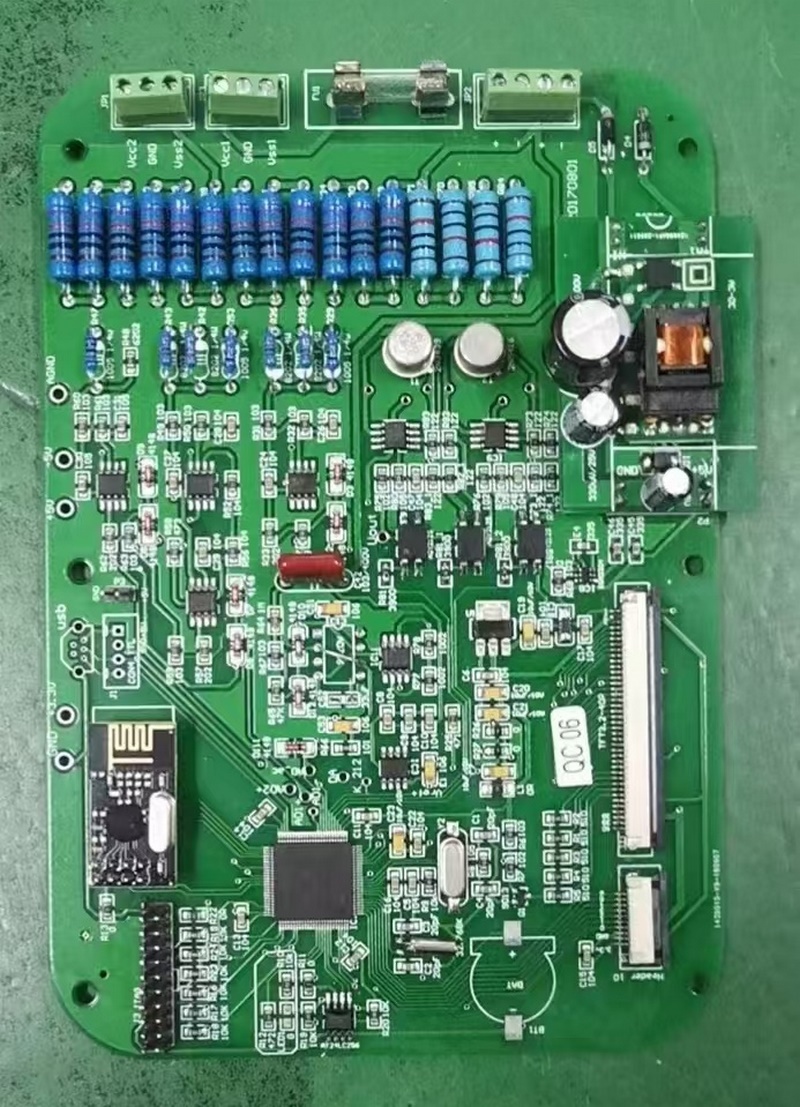
PCB assembly is the process of connecting various electronic components onto a printed circuit board. This involves **soldering** components such as resistors, capacitors, and integrated circuits onto the board to create a functional electronic device. In the context of facial recognition technology, PCBs serve as the backbone, facilitating the integration of complex algorithms and hardware needed for accurate facial detection and recognition.
2. The Importance of PCB Assembly in Facial Recognition Technology
As facial recognition technology becomes more prevalent in everyday life, the demand for efficient and reliable systems increases. PCB assembly plays a critical role in ensuring that **facial recognition devices** operate smoothly. By providing the necessary infrastructure for connectivity and processing, PCBs enable these devices to quickly capture, process, and analyze facial data, leading to improved performance and user experience.
3. Key Components of PCB Assembly in Facial Recognition Devices
Understanding the components that comprise the PCB assembly in facial recognition technology is crucial for grasping how these systems function.
3.1 Sensors and Cameras
The foundation of any facial recognition system is its ability to capture images. High-resolution cameras and sensors are mounted on PCBs to provide quality imaging. These components are often integrated with **infrared technology** to enhance performance in varying lighting conditions.
3.2 Processors and Microcontrollers
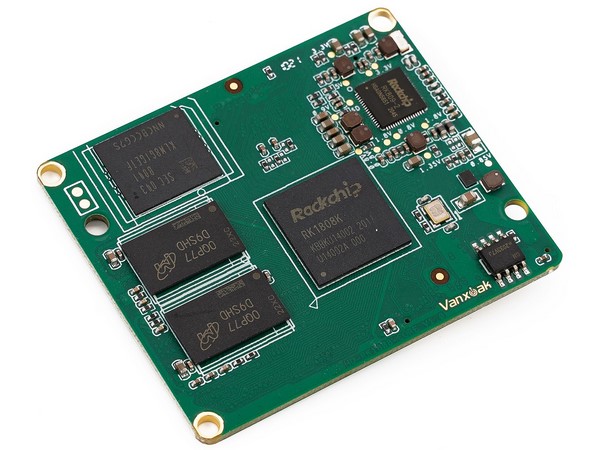
The efficiency of facial recognition systems relies heavily on the computing power of processors and microcontrollers. These components perform complex calculations and execute algorithms that analyze facial features, ensuring rapid recognition.
3.3 Connectivity Modules
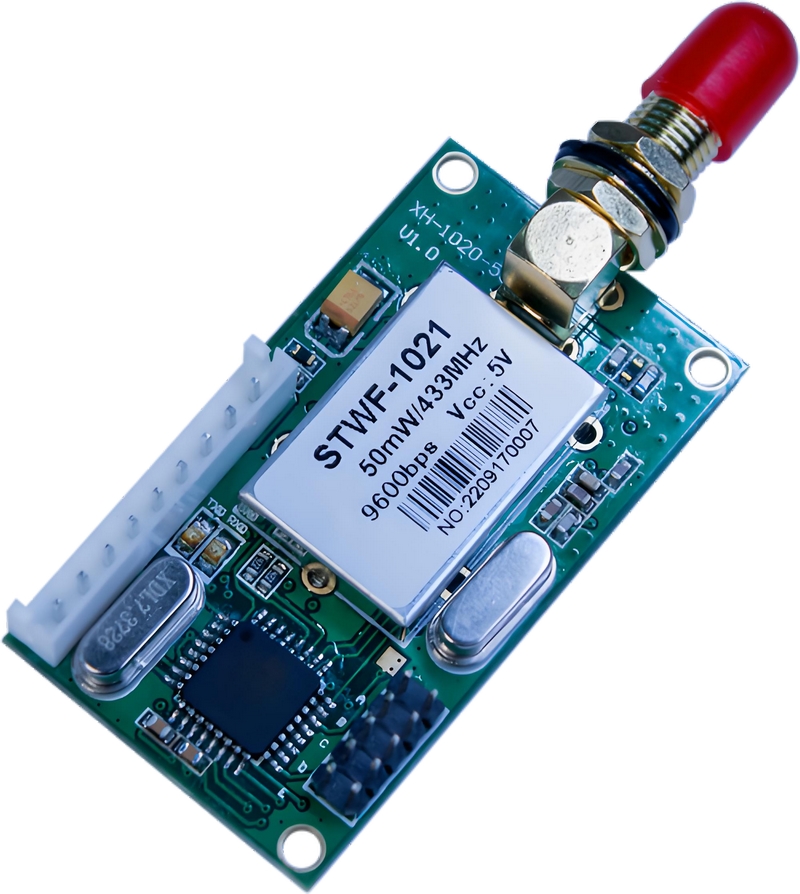
In an increasingly connected world, **connectivity modules** such as Wi-Fi, Bluetooth, and Ethernet are essential for communication between devices. These modules, integrated into the PCB, allow facial recognition systems to transmit data seamlessly, whether for cloud processing or network communication.
4. Manufacturing Process of PCBs for Facial Recognition
The manufacturing process of PCBs for facial recognition devices involves several critical steps that contribute to the quality and functionality of the final product.
4.1 Design and Prototyping
Before manufacturing, the design phase is crucial. Engineers create detailed layouts, ensuring optimal placement of components for performance and efficiency. Prototyping allows for testing and refinement before mass production.
4.2 Fabrication Techniques
Different fabrication techniques are employed to ensure high-quality PCBs. These techniques include **screen printing, etching, and laminating**. Each method contributes to the durability, conductivity, and overall performance of the PCB.
4.3 Assembly Processes
Once fabricated, the assembly process involves placing components onto the PCB. This can be done manually or through **automated pick-and-place machines**. Soldering methods vary, including through-hole and surface-mount soldering, depending on the design requirements.
5. Design Considerations for PCB Assembly in Facial Recognition
Several design factors must be considered to optimize PCB assembly for facial recognition technology.
5.1 Component Placement and Routing
Effective component placement is vital for minimizing interference and ensuring efficient signal routing. Designers must consider the physical layout carefully to avoid bottlenecks and ensure optimal performance.
5.2 Thermal Management
Facial recognition systems can generate considerable heat due to high processing demands. Incorporating thermal management solutions, such as heat sinks and proper airflow designs, is essential for maintaining optimal operating conditions.
5.3 Signal Integrity
Maintaining signal integrity is critical in high-speed applications. Designers must adhere to strict guidelines for trace width, spacing, and impedance to minimize signal degradation and ensure reliable performance.
6. Challenges in PCB Assembly for Facial Recognition Technology
Despite advancements, challenges remain in PCB assembly for facial recognition technology. These include:
- **Miniaturization**: As devices become smaller, fitting all components on a PCB without compromising performance is increasingly complex.
- **Cost Management**: Balancing quality with production costs can be challenging, necessitating careful material and process selection.
- **Technological Advancements**: Keeping pace with evolving technologies requires continuous investment in research and development.
7. Future Trends in PCB Assembly and Facial Recognition
The future of PCB assembly in facial recognition technology is promising, with several trends emerging:
- **Integration of AI**: Artificial intelligence is expected to play a significant role in improving recognition accuracy and efficiency.
- **Increased Use of Flexible PCBs**: Flexible PCBs offer new design possibilities, especially for compact and wearable devices.
- **Sustainability**: The push for eco-friendly materials and processes is likely to shape PCB manufacturing, aligning with global sustainability goals.
8. Frequently Asked Questions (FAQs)
What is the role of PCB assembly in facial recognition technology?
PCB assembly provides the necessary framework for integrating sensors, processors, and connectivity modules essential for the operation of facial recognition systems.
How does PCB design impact the performance of facial recognition devices?
The design of PCBs affects component placement, signal integrity, and thermal management, all of which influence the overall performance and efficiency of facial recognition systems.
What are the challenges faced in PCB assembly for facial recognition technology?
Challenges include miniaturization, cost management, and the need to keep up with rapid technological advancements.
What future trends can we expect in PCB assembly for facial recognition?
Future trends include the integration of AI in processing, the use of flexible PCBs for innovative designs, and a focus on sustainability.
How can manufacturers ensure the quality of PCBs in facial recognition systems?
Manufacturers can employ rigorous testing protocols, use high-quality materials, and adhere to industry standards during the design and assembly process to ensure quality.
9. Conclusion
In conclusion, PCB assembly is a cornerstone of facial recognition technology, enabling the integration and functioning of various critical components. As the demand for facial recognition systems continues to grow, advancements in PCB design and manufacturing will play a vital role in enhancing performance and reliability. By understanding the complexities involved in PCB assembly, we can appreciate the technological marvel behind facial recognition systems and anticipate the future innovations that will shape this exciting field.
Related news

Request A Quote
Please feel free to contact us at any time, and we will wholeheartedly provide you with the highest quality service and support.