




Ask For A Quick Quote
We will contact you within one working day. Please pay attention to your email.
Request a Sample
With the mission of “Smart Manufacturing - Global Delivery”, we help our customers shorten the time-to-market and optimize the supply chain cost through continuous technology iteration and digital upgrading. We look forward to working with you to define the future of electronic manufacturing!
- Technology Driven Intelligent Manufacturing
- Full-process quality control
- In-depth industry experience
- Agile Service Network
Understanding Elevator Control PCB Assembly: A Key Component in Modern Elevators
2025-11-26
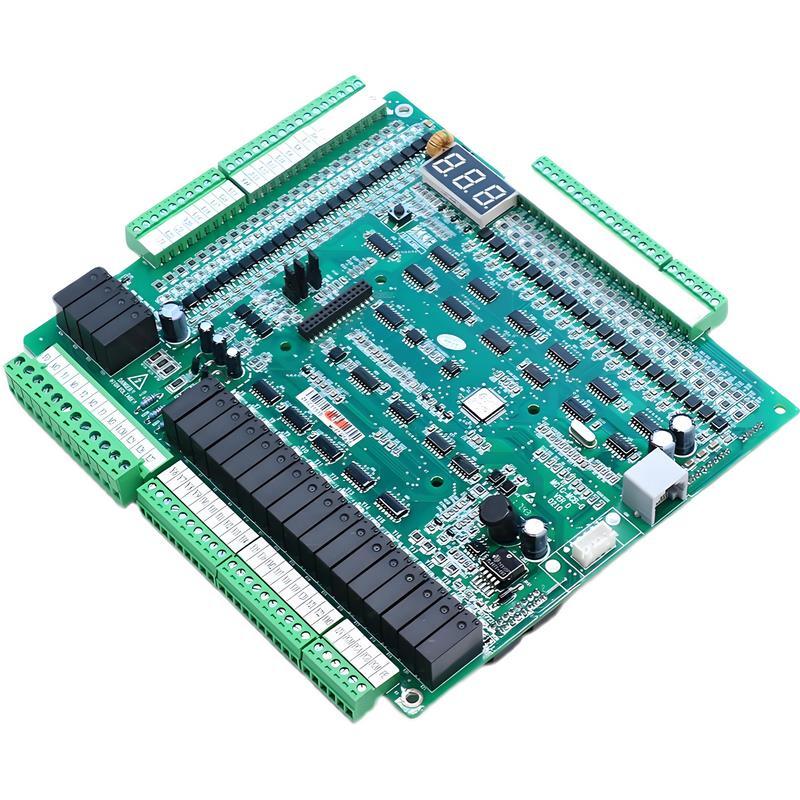
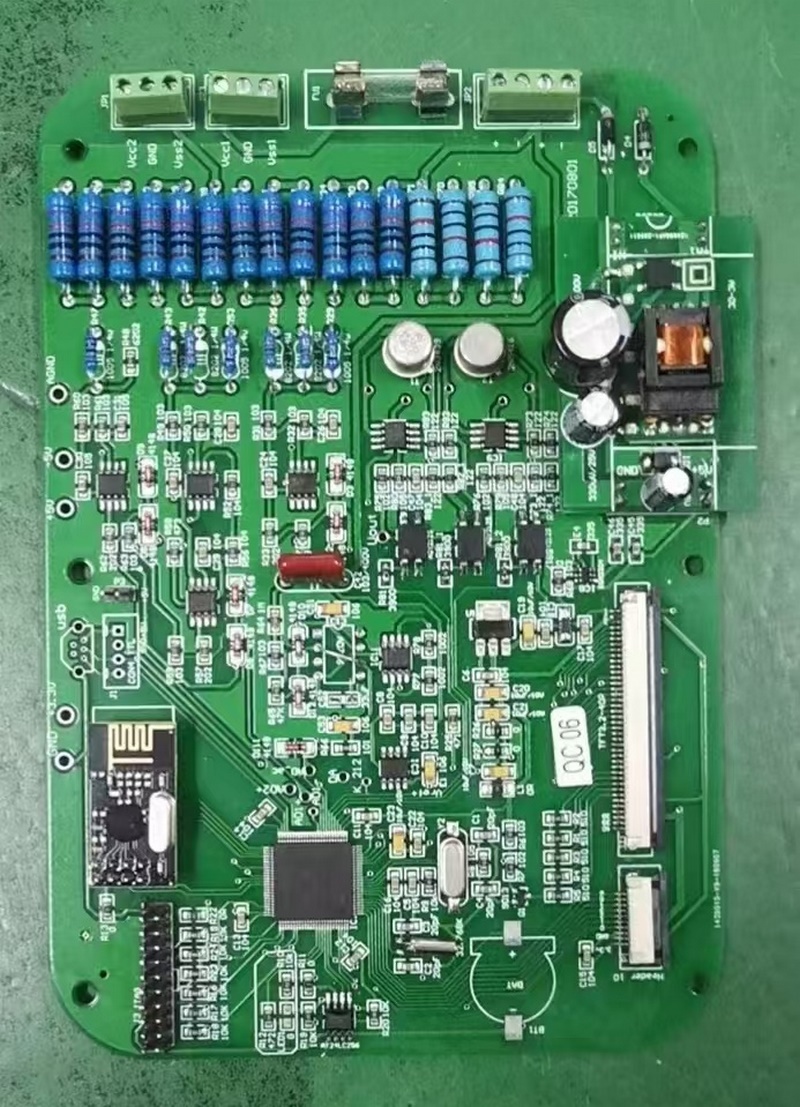
Elevator Control PCB Assembly is an essential aspect of modern elevator systems, functioning as the brain that ensures seamless operation and safety. In the electronic components sector, understanding the complexities of this assembly can significantly improve efficiency and reliability in elevator mechanisms.
The control PCB (Printed Circuit Board) in elevators serves various functions, including controlling motor operations, monitoring safety systems, and facilitating communication between the elevator and the control room. This assembly typically integrates multiple electronic components such as microcontrollers, sensors, and power management chips, all of which work in concert to deliver smooth, safe vertical transportation.
The design phase of Elevator Control PCB Assembly is critical. Engineers must ensure that the board can handle various inputs and outputs while considering factors such as size, heat dissipation, and electromagnetic interference. A properly designed PCB will enhance the performance of the elevator system, contributing to a safer and more efficient operation. Additionally, including the latest technologies, such as IoT capabilities, can allow for remote monitoring and predictive maintenance, further improving system reliability.
Another vital consideration during the assembly process is quality control. Given the safety-critical nature of elevators, stringent testing and validation processes must be implemented. This may involve functional testing to ensure that each component works as intended and stress testing to simulate real-world conditions. Employing automated inspection tools can help identify defects in the assembly process, minimizing the risk of failure once the elevator is in operation.
Moreover, the choice of materials used in Elevator Control PCB Assembly plays a significant role in the longevity and functionality of the product. High-quality substrates and components can withstand the demanding environment of elevator shafts, where exposure to heat and humidity can be common. Selecting the right materials will ensure that the PCB assembly remains reliable throughout its lifecycle.
As the industry evolves, the push towards energy efficiency and sustainability will also influence the design and assembly of elevator control PCBs. Manufacturers are increasingly looking for ways to integrate energy-saving technologies that can reduce the overall energy consumption of elevator systems, aligning with global sustainability goals.
In conclusion, Elevator Control PCB Assembly is a pivotal element in the realm of electronic components, particularly within the elevator industry. By prioritizing design, quality control, and material selection, manufacturers can enhance the performance and reliability of elevator systems, ensuring they meet the demands of modern infrastructure. Understanding these facets can provide valuable insights for professionals involved in this sector, highlighting the importance of quality and innovation in the assembly process.
Related news

Request A Quote
Please feel free to contact us at any time, and we will wholeheartedly provide you with the highest quality service and support.