




Ask For A Quick Quote
We will contact you within one working day. Please pay attention to your email.
Request a Sample
With the mission of “Smart Manufacturing - Global Delivery”, we help our customers shorten the time-to-market and optimize the supply chain cost through continuous technology iteration and digital upgrading. We look forward to working with you to define the future of electronic manufacturing!
- Technology Driven Intelligent Manufacturing
- Full-process quality control
- In-depth industry experience
- Agile Service Network
Understanding Elevator Control PCB Assembly: A Comprehensive Guide
2025-12-14
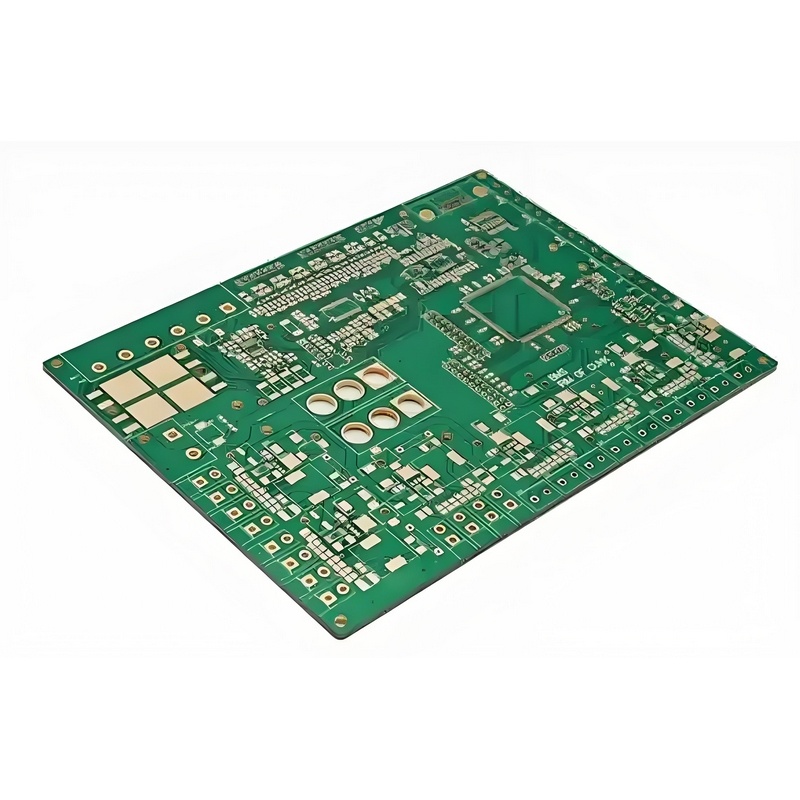
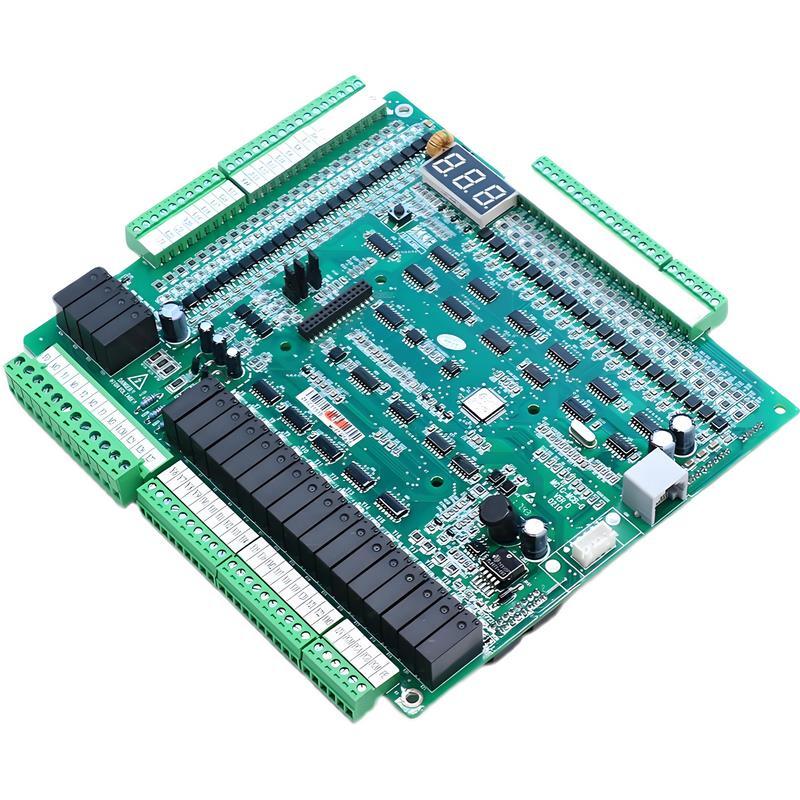
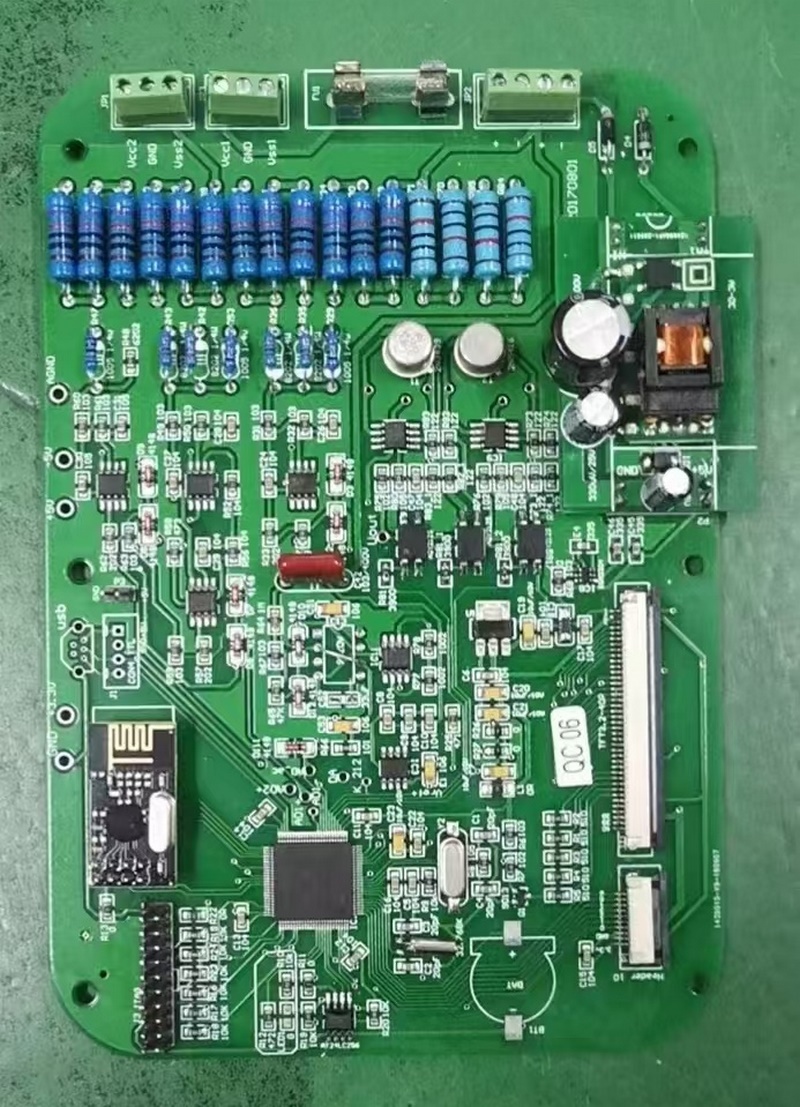
Elevator Control PCB Assembly refers to the process of creating printed circuit boards (PCBs) specifically designed for controlling elevator systems. These assemblies are critical for managing various elevator functions, including motor control, door operations, and safety mechanisms. In essence, the PCB serves as the brain of the elevator, processing input from various sensors and executing commands to ensure safe and efficient operation.
One of the primary considerations in Elevator Control PCB Assembly is the complexity of the design. Elevators require a robust control system that can handle multiple inputs and outputs. This necessitates careful planning and engineering to create a PCB layout that can accommodate various components, such as microcontrollers, relays, and connectors. Professionals must have a deep understanding of circuit design principles to optimize the performance and reliability of these assemblies.
Additionally, the materials used in Elevator Control PCB Assembly are crucial. PCBs must be constructed from materials that can withstand the environmental conditions typical in elevator shafts, such as temperature fluctuations and humidity. The selection of appropriate substrates, such as FR-4 or polyimide, can significantly impact the longevity and performance of the PCB.
Another important aspect is compliance with safety standards. Elevators are subject to strict regulatory requirements to ensure passenger safety. Professionals in this field must be well-versed in these regulations, which dictate aspects such as component sourcing, assembly processes, and testing protocols. Conducting thorough testing, including functional and stress tests, is essential to verify that the Elevator Control PCB Assembly meets all necessary safety standards.
Moreover, the integration of smart technology into elevator systems is becoming increasingly common. As IoT (Internet of Things) continues to evolve, Elevator Control PCB Assemblies are adapting to incorporate advanced features such as remote monitoring and predictive maintenance. This trend not only improves operational efficiency but also enhances user experience.
In summary, Elevator Control PCB Assembly is a vital component in the electronic industry, specifically within elevator systems. Professionals involved in this field must focus on design complexity, material selection, safety compliance, and technological advancements. By staying informed and adapting to industry trends, they can ensure the development of high-quality, reliable, and efficient elevator control systems that meet modern demands.
Related news

Request A Quote
Please feel free to contact us at any time, and we will wholeheartedly provide you with the highest quality service and support.