




Ask For A Quick Quote
We will contact you within one working day. Please pay attention to your email.
Request a Sample
With the mission of “Smart Manufacturing - Global Delivery”, we help our customers shorten the time-to-market and optimize the supply chain cost through continuous technology iteration and digital upgrading. We look forward to working with you to define the future of electronic manufacturing!
- Technology Driven Intelligent Manufacturing
- Full-process quality control
- In-depth industry experience
- Agile Service Network
Mastering Elevator Control PCB Assembly: Essential Insights for Industry Professionals
2026-05-11
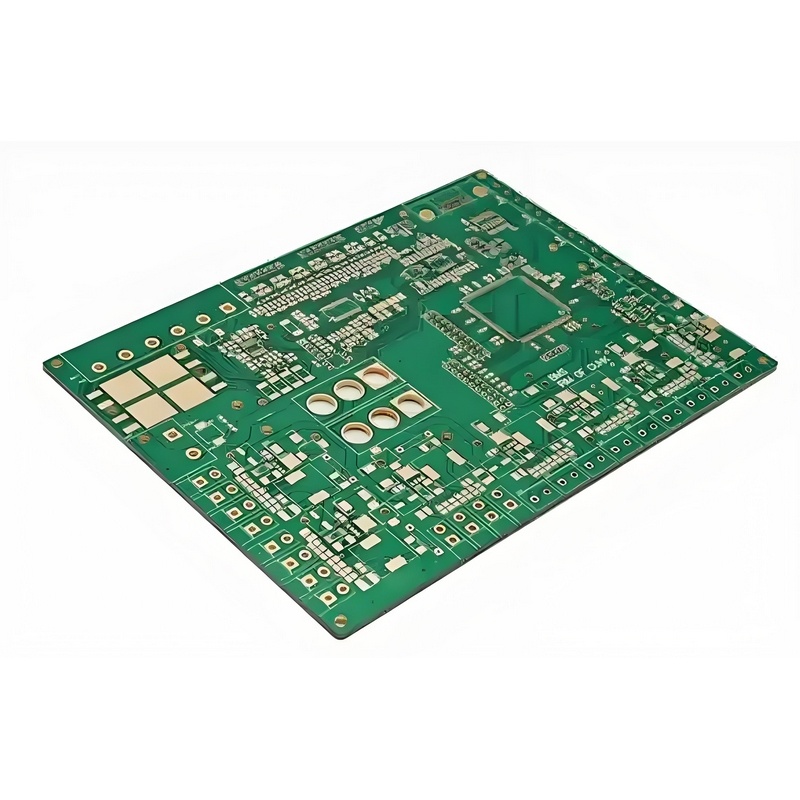
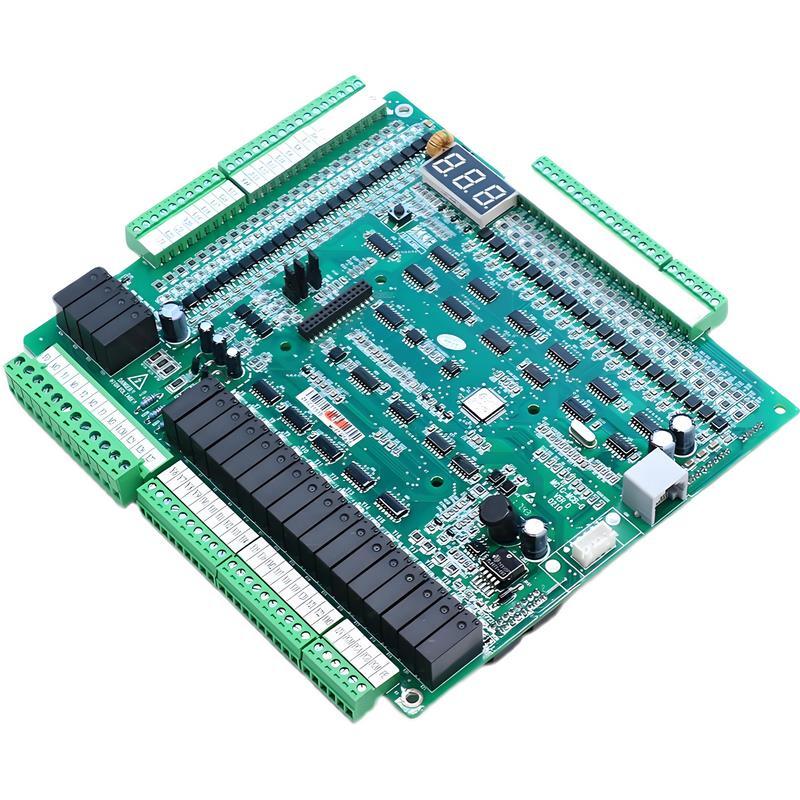
Elevator Control PCB Assembly is a critical aspect of modern elevator systems, serving as the brain behind their operation. The role of a printed circuit board (PCB) in controlling various functions, such as motor speed, door mechanisms, and safety features, cannot be overstated. Understanding the nuances of PCB assembly can significantly impact the performance and reliability of elevator systems.
When embarking on the process of Elevator Control PCB Assembly, it’s essential to prioritize design and layout. A well-designed PCB can help minimize electromagnetic interference (EMI), which is particularly crucial in environments where multiple electronic devices operate in close proximity. Utilizing simulation software during the design phase can identify potential issues, such as signal integrity and thermal management, ensuring a robust final product.
Selecting the right materials for the PCB is equally important. The choice of substrate can affect signal transmission and overall reliability. Common materials include FR-4 and polyimide, each offering unique benefits in terms of heat resistance and flexibility. Additionally, considering the operational environment—such as humidity or temperature fluctuations—can guide material selection to ensure long-term performance.
Moreover, understanding the assembly process itself is vital. Techniques such as surface mount technology (SMT) and through-hole mounting each have their benefits and drawbacks. SMT is preferred for its compactness and efficiency, allowing for denser component placement, while through-hole mounting may provide superior mechanical strength for larger components.
Quality control during the assembly phase cannot be overlooked. Implementing rigorous testing protocols, including functional tests and thermal imaging, ensures that each PCB meets operational standards. Utilizing automated optical inspection (AOI) systems can also aid in identifying defects early, reducing the likelihood of issues arising after installation.
Furthermore, staying abreast of industry trends and emerging technologies can provide a competitive edge in Elevator Control PCB Assembly. Innovations such as IoT integration and AI-driven maintenance solutions are becoming increasingly prevalent, enhancing the functionality and intelligence of elevator systems.
In summary, mastering Elevator Control PCB Assembly requires a blend of design expertise, material knowledge, and assembly precision. By focusing on these key areas, professionals can significantly enhance the efficiency and reliability of elevator systems, meeting the ever-increasing demands of urban infrastructure. Emphasizing continuous learning and adaptation to new technologies will ensure sustained success in this critical sector.
Related news

Request A Quote
Please feel free to contact us at any time, and we will wholeheartedly provide you with the highest quality service and support.