




Ask For A Quick Quote
We will contact you within one working day. Please pay attention to your email.
Request a Sample
With the mission of “Smart Manufacturing - Global Delivery”, we help our customers shorten the time-to-market and optimize the supply chain cost through continuous technology iteration and digital upgrading. We look forward to working with you to define the future of electronic manufacturing!
- Technology Driven Intelligent Manufacturing
- Full-process quality control
- In-depth industry experience
- Agile Service Network
The Impact of AIoT on PCB Assembly: Enhancing Communication Capabilities
2025-12-25
The Impact of AIoT on PCB Assembly: Enhancing Communication Capabilities
Table of Contents
1. Introduction
2. Understanding AIoT and Its Components
2.1 What is AIoT?
2.2 Key Components of AIoT in Electronics
3. The Role of PCB Assembly in the Electronics Industry
3.1 Importance of PCB Assembly
3.2 Challenges Faced in PCB Assembly
4. How AIoT Enhances PCB Assembly Communication
4.1 Real-Time Data Sharing
4.2 Predictive Maintenance and its Impact
5. Case Studies: Successful AIoT Implementation in PCB Assembly
5.1 Company A: Boosting Efficiency
5.2 Company B: Reducing Errors
6. Future Trends in AIoT and PCB Assembly
6.1 The Evolution of Communication Technologies
6.2 Integration with Industry 4.0
7. Frequently Asked Questions (FAQs)
7.1 What is the difference between AI and IoT?
7.2 How does AIoT improve PCB assembly efficiency?
7.3 What challenges might companies face when implementing AIoT?
7.4 Are there industry standards for AIoT in PCB assembly?
7.5 What is the future potential of AIoT in electronics manufacturing?
8. Conclusion
1. Introduction
The integration of **Artificial Intelligence (AI)** and the **Internet of Things (IoT)**, collectively known as AIoT, has brought about a significant transformation in various industries, particularly in the field of electronics manufacturing. One area where AIoT has made notable strides is in **Printed Circuit Board (PCB) assembly**. This article delves into how AIoT enhances communication capabilities within PCB assembly processes, paving the way for increased efficiency, reduced errors, and ultimately, more robust electronics products.
2. Understanding AIoT and Its Components
2.1 What is AIoT?
AIoT refers to the combination of AI technologies with IoT devices, enabling smart systems to collect, analyze, and utilize data in real-time. This powerful convergence allows for more responsive and intelligent decision-making processes, which is particularly valuable in manufacturing settings like PCB assembly.
2.2 Key Components of AIoT in Electronics
The key components of AIoT that play a crucial role in PCB assembly include:
- **Smart Sensors:** Devices that collect data about environmental conditions, operational performance, and more.
- **Data Analytics Tools:** Software solutions that analyze data collected from IoT devices to derive actionable insights.
- **Machine Learning Algorithms:** AI technologies that learn from data patterns over time to improve decision-making processes.
3. The Role of PCB Assembly in the Electronics Industry
3.1 Importance of PCB Assembly
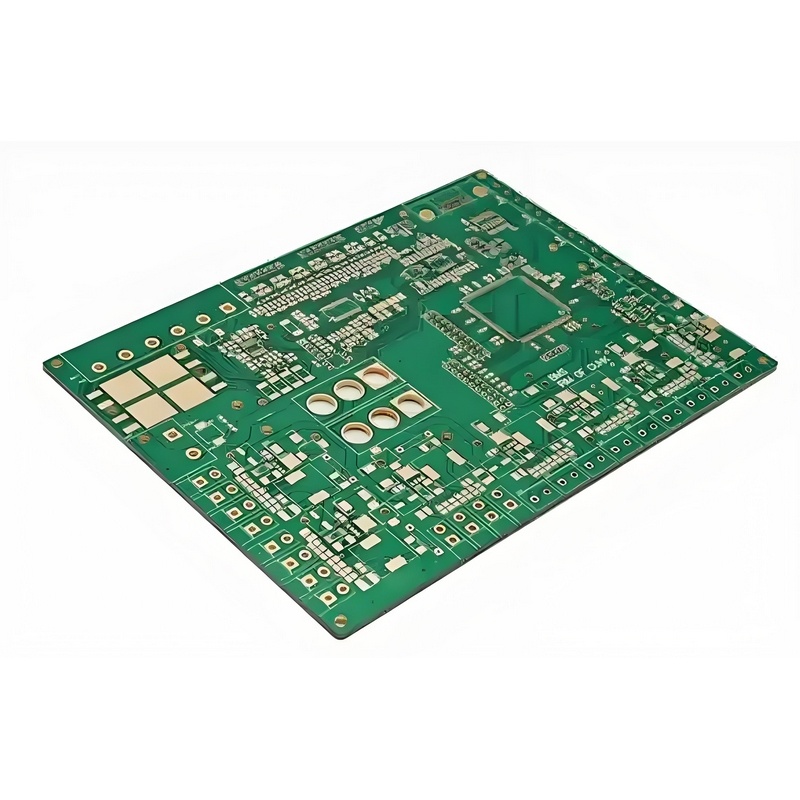
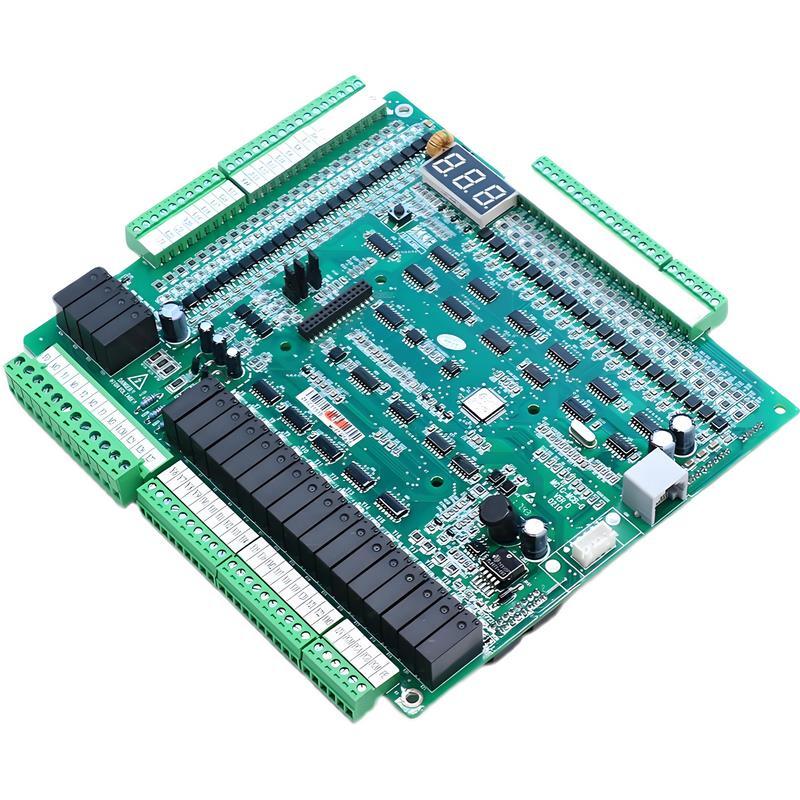
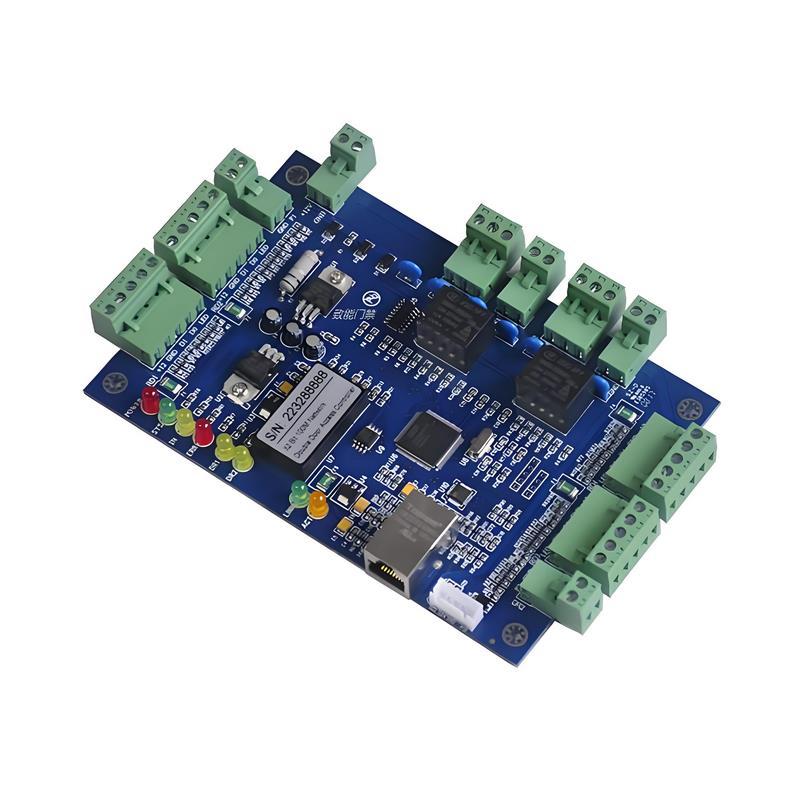
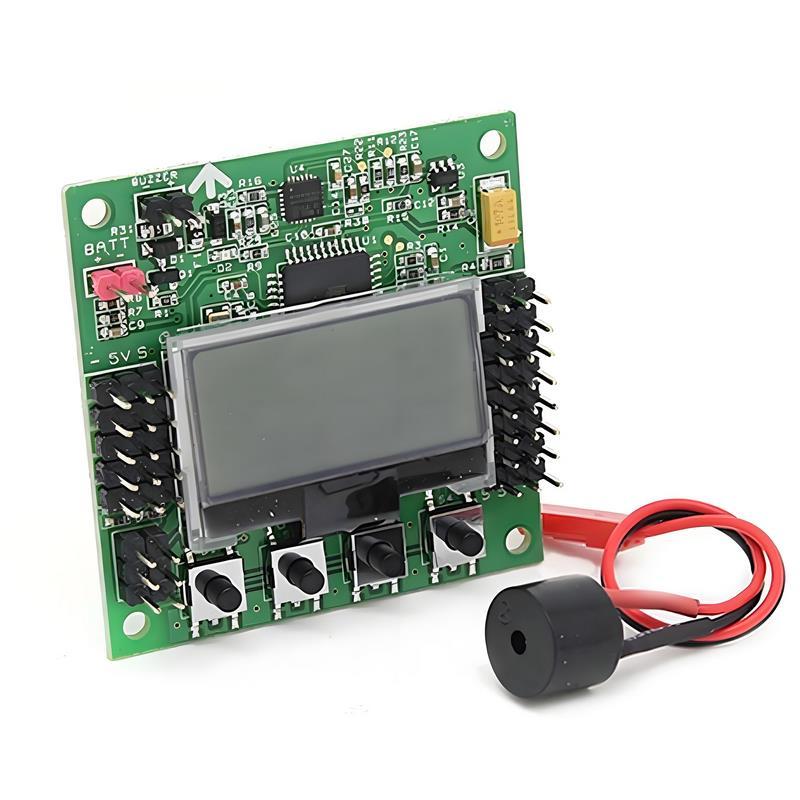
PCB assembly is a fundamental process in the electronics sector. It involves the integration of various electronic components onto a PCB, which serves as the backbone of virtually all electronic devices. Efficient PCB assembly is crucial for the performance and reliability of electronics.
3.2 Challenges Faced in PCB Assembly
Manufacturers often encounter numerous challenges in PCB assembly, including:
- **High Error Rates:** Manual assembly processes can lead to mistakes that compromise the integrity of the PCB.
- **Inefficient Communication:** Traditional communication methods can slow down production and lead to misunderstandings between teams.
- **Maintenance Issues:** Unplanned downtime due to equipment failures can disrupt the assembly line.
4. How AIoT Enhances PCB Assembly Communication
4.1 Real-Time Data Sharing
AIoT facilitates the seamless exchange of real-time data between different components of the PCB assembly process. For instance, smart sensors can monitor the status of machinery and report any anomalies immediately. This instantaneous feedback loop enables teams to address issues proactively, minimizing delays and ensuring smooth operations.
4.2 Predictive Maintenance and its Impact
With the help of AIoT, manufacturers can implement predictive maintenance strategies. By analyzing data from machinery, AI can predict when a machine is likely to fail, allowing teams to perform maintenance before a breakdown occurs. This not only enhances communication between maintenance and assembly teams but also significantly reduces downtime.
5. Case Studies: Successful AIoT Implementation in PCB Assembly
5.1 Company A: Boosting Efficiency
Company A, a leading PCB manufacturer, integrated AIoT technologies into their assembly line. By employing smart sensors to monitor equipment performance and using AI analytics to optimize workflows, they reported a 30% increase in production efficiency within six months.
5.2 Company B: Reducing Errors
Company B faced high error rates in their PCB assembly processes. By implementing AIoT solutions, they were able to track and analyze the assembly process in real-time. This visibility allowed them to identify error patterns and adjust workflows accordingly, resulting in a 50% reduction in defects.
6. Future Trends in AIoT and PCB Assembly
6.1 The Evolution of Communication Technologies
As communication technologies continue to evolve, AIoT is expected to leverage advancements such as **5G networks** and **edge computing**. These technologies will further enhance data transmission speeds and enable even more responsive and intelligent assembly systems.
6.2 Integration with Industry 4.0
The movement towards Industry 4.0 emphasizes smart manufacturing processes. AIoT is at the forefront of this trend, enabling fully connected and automated PCB assembly lines that can optimize their operations with minimal human intervention.
7. Frequently Asked Questions (FAQs)
7.1 What is the difference between AI and IoT?
AI refers to the simulation of human intelligence in machines, while IoT refers to interconnected devices that communicate and share data. Together, they form AIoT, which enhances device intelligence.
7.2 How does AIoT improve PCB assembly efficiency?
By enabling real-time data sharing and predictive maintenance, AIoT reduces downtime and errors, leading to a more efficient assembly process.
7.3 What challenges might companies face when implementing AIoT?
Companies may face challenges such as integration costs, employee training, and ensuring data security when transitioning to AIoT systems.
7.4 Are there industry standards for AIoT in PCB assembly?
Currently, there are ongoing discussions regarding industry standards for AIoT applications in PCB assembly, focusing on interoperability and data security.
7.5 What is the future potential of AIoT in electronics manufacturing?
The potential for AIoT in electronics manufacturing is vast, with expectations for increased automation, improved efficiency, and enhanced product quality as technologies evolve.
8. Conclusion
The integration of AIoT into PCB assembly processes marks a significant advancement in the electronics manufacturing industry. By enhancing communication capabilities, AIoT not only improves operational efficiency but also reduces error rates and downtime. As companies continue to embrace this technology, the future of PCB assembly looks promising, paving the way for smarter, more efficient manufacturing processes. As businesses seek to remain competitive, those that leverage AIoT will undoubtedly lead the way in innovation and quality.
Related news

Request A Quote
Please feel free to contact us at any time, and we will wholeheartedly provide you with the highest quality service and support.