




Ask For A Quick Quote
We will contact you within one working day. Please pay attention to your email.
Request a Sample
With the mission of “Smart Manufacturing - Global Delivery”, we help our customers shorten the time-to-market and optimize the supply chain cost through continuous technology iteration and digital upgrading. We look forward to working with you to define the future of electronic manufacturing!
- Technology Driven Intelligent Manufacturing
- Full-process quality control
- In-depth industry experience
- Agile Service Network
Understanding the Interplay Between Communication and AIoT PCB Assembly
2025-12-05
Understanding the Interplay Between Communication and AIoT PCB Assembly
Table of Contents
- 1. Introduction to AIoT and PCB Assembly
- 2. The Role of Communication in AIoT
- 3. Components of PCB Assembly in AIoT Devices
- 4. How Communication Technologies Enhance PCB Assembly
- 4.1. Wireless Communication Protocols
- 4.2. Wired Communication Solutions
- 5. Challenges in AIoT PCB Assembly
- 6. The Future of Communication in AIoT PCB Assembly
- 7. Case Studies: Successful AIoT PCB Assembly Implementations
- 8. FAQs
- 9. Conclusion
1. Introduction to AIoT and PCB Assembly
The term **AIoT**, or **Artificial Intelligence of Things**, refers to the integration of artificial intelligence (AI) with the Internet of Things (IoT). This combination allows for smarter devices that can communicate, analyze, and respond to data in real-time. The backbone of these devices is the **Printed Circuit Board (PCB)**, which houses the electronic components necessary for functionality. Understanding the interplay between communication systems and PCB assembly is crucial for advancing AIoT technology.
2. The Role of Communication in AIoT
Effective communication is the cornerstone of AIoT applications. Devices must **exchange data** seamlessly to function optimally. The communication layer ensures that information flows between sensors, actuators, and data processing units. This communication can be **wired** or **wireless**, depending on the application and environment. The evolution of communication technologies directly impacts how efficiently AIoT devices operate.
3. Components of PCB Assembly in AIoT Devices
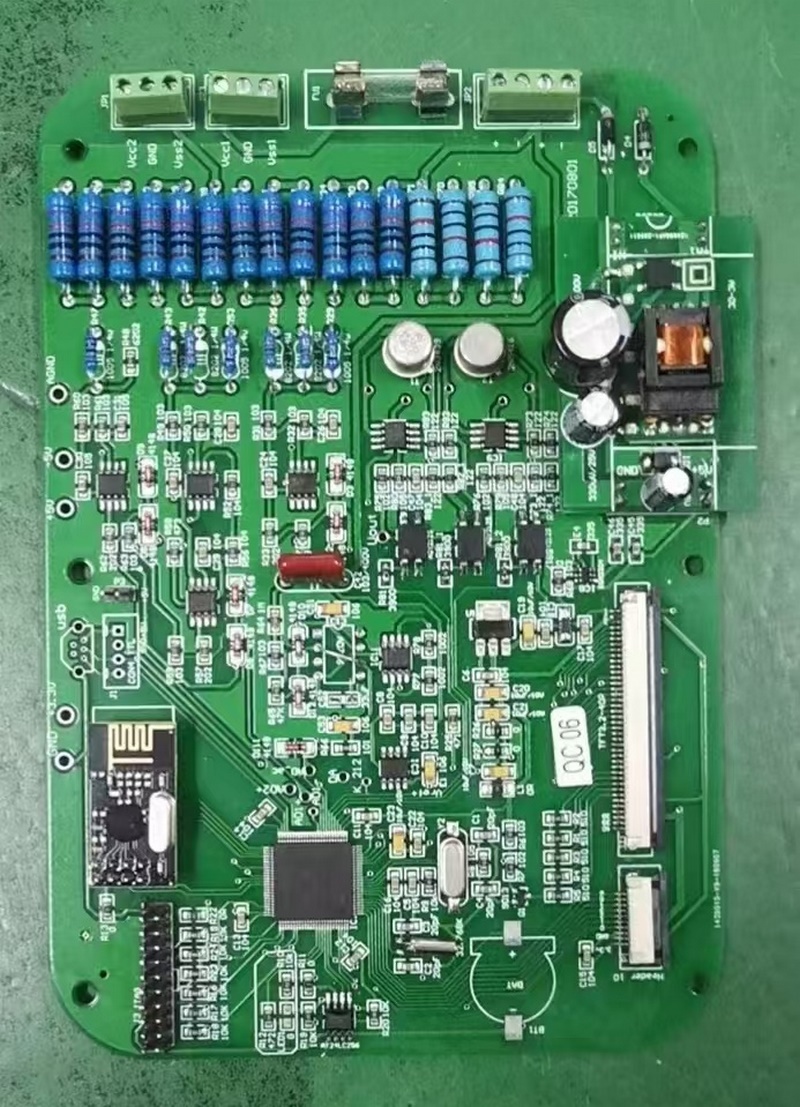
PCB assembly involves various components, each playing a vital role in the functionality of AIoT devices. Key components include:
- **Microcontrollers**: These are the brains of the PCB, processing information and executing commands.
- **Sensors**: Devices that gather data from the environment, such as temperature, humidity, and motion.
- **Actuators**: Components that respond to commands from the microcontroller, performing physical actions.
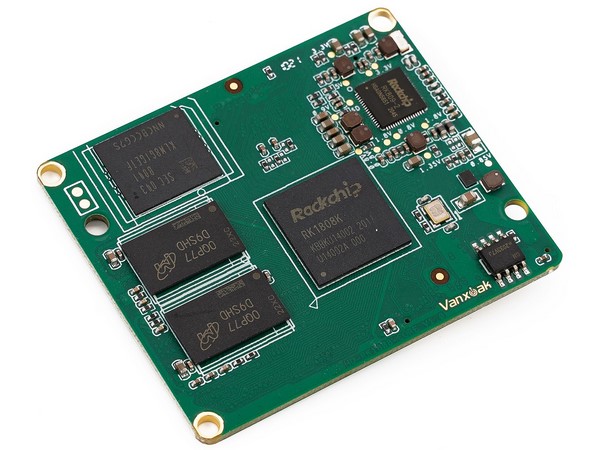
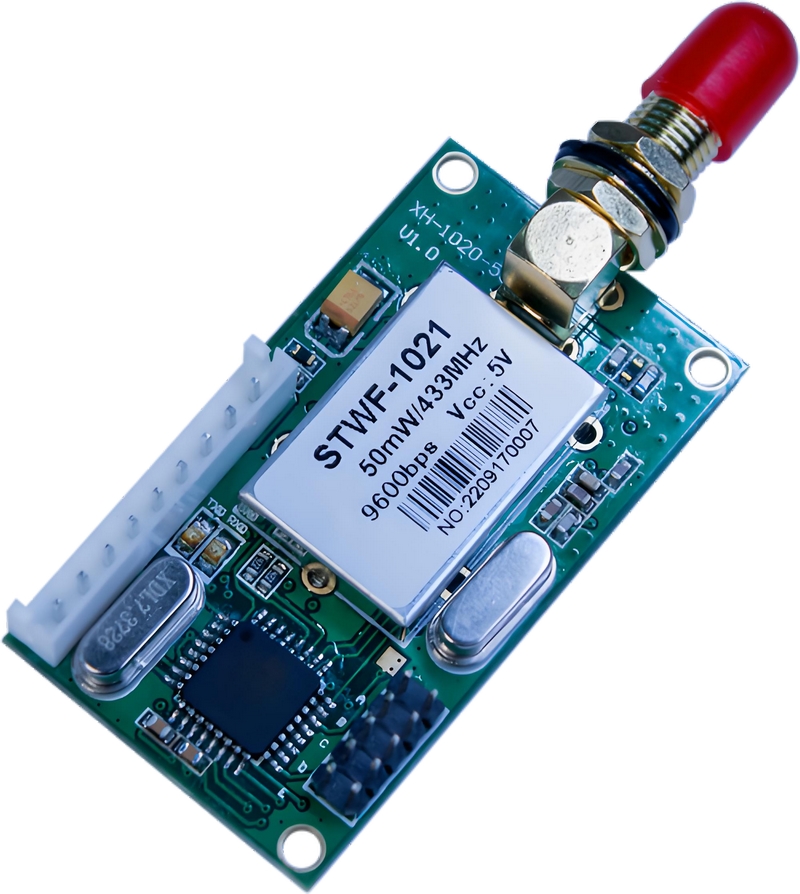
- **Connectivity Modules**: These modules enable communication between devices, supporting protocols like Wi-Fi, Bluetooth, and Zigbee.
Understanding the function and assembly of these components is essential for effective PCB design in AIoT applications.
4. How Communication Technologies Enhance PCB Assembly
Communication technologies significantly influence the design and functionality of PCBs in AIoT devices. By leveraging advancements in both **wired** and **wireless communication**, manufacturers can optimize PCB performance and improve device capabilities.
4.1. Wireless Communication Protocols
Wireless communication protocols, such as **LoRa**, **Zigbee**, and **Wi-Fi**, allow devices to connect without physical connections. These protocols enable:
- **Greater flexibility** in device placement.
- **Reduced installation costs**, as wiring is minimized.
- **Scalability**, allowing for more devices to be easily added to a network.
As communication technologies evolve, they facilitate the development of more sophisticated AIoT devices capable of handling complex tasks and large volumes of data.
4.2. Wired Communication Solutions
Wired communication solutions, including **Ethernet** and **RS-485**, offer advantages in terms of reliability and data transfer speeds. These solutions are particularly beneficial in environments where **wireless signals** may be obstructed or unreliable. Key benefits include:
- **Stable connections** with minimal interference.
- Higher **data transfer rates**, essential for complex AI algorithms.
- Enhanced **security**, as physical connections can be more difficult to intercept compared to wireless signals.
Choosing the right communication solution is vital for optimizing PCB assembly in AIoT devices.
5. Challenges in AIoT PCB Assembly
While the integration of communication technologies into AIoT PCB assembly offers significant benefits, several challenges persist. These include:
- **Complexity in Design**: As AIoT devices become more sophisticated, PCB designs must accommodate numerous components and connections, increasing complexity.
- **Heat Management**: High-performance components can generate heat, necessitating effective thermal management solutions within the PCB layout.
- **Interference Issues**: Both wired and wireless communications can face interference from external sources, affecting performance and reliability.
- **Cost Constraints**: Advanced components and technologies can drive up the cost of PCB assembly, impacting the affordability of AIoT devices.
Addressing these challenges requires careful planning and innovative design strategies.
6. The Future of Communication in AIoT PCB Assembly
The future of AIoT PCB assembly is poised for exciting advancements, fueled by groundbreaking communication technologies. Emerging trends include:
- **5G Integration**: The rollout of 5G networks promises faster and more reliable connections, enabling real-time data processing and analysis in AIoT devices.
- **Edge Computing**: By processing data closer to where it is generated, edge computing reduces latency and bandwidth usage, enhancing device performance.
- **AI-Powered Communication**: Incorporating AI algorithms into communication protocols can optimize data transfer and improve overall network efficiency.
These trends will shape the next generation of AIoT devices, leading to smarter and more capable systems.
7. Case Studies: Successful AIoT PCB Assembly Implementations
Examining successful implementations can provide valuable insights into the effective interplay between communication and AIoT PCB assembly. Here are notable examples:
- **Smart Home Devices**: Companies like Google and Amazon have integrated AIoT technology into home automation systems, utilizing PCBs that facilitate seamless communication between devices.
- **Industrial Automation**: Factories leveraging AIoT for predictive maintenance utilize advanced PCBs that support real-time data collection and analysis to improve operational efficiency.
- **Healthcare Monitoring Systems**: Wearable devices that monitor patient health use PCBs designed for low-power wireless communication, ensuring reliable data transmission for timely medical responses.
These case studies highlight the potential of AIoT technology and the importance of effective PCB assembly.
8. FAQs
What is AIoT?
AIoT combines artificial intelligence with the Internet of Things, enabling devices to communicate, analyze, and act on data autonomously.
What are the main components of a PCB used in AIoT devices?
Key components include microcontrollers, sensors, actuators, and connectivity modules.
How does communication affect the performance of AIoT devices?
Communication technologies enable seamless data exchange, impacting the efficiency, responsiveness, and functionality of AIoT systems.
What are the common communication protocols used in AIoT?
Common protocols include Wi-Fi, Bluetooth, Zigbee, LoRa, Ethernet, and RS-485.
What challenges are faced in AIoT PCB assembly?
Challenges include design complexity, heat management, interference issues, and cost constraints.
9. Conclusion
The interplay between communication technologies and AIoT PCB assembly is crucial for the development of advanced and efficient AIoT devices. As communication methods evolve, they enhance the capabilities of PCBs, driving innovation in this field. Understanding these dynamics is essential for engineers and manufacturers keen on optimizing their designs to meet the growing demands of AIoT applications. Continued advancements in communication will undoubtedly pave the way for a smarter, more connected future.
Related news

Request A Quote
Please feel free to contact us at any time, and we will wholeheartedly provide you with the highest quality service and support.