




Ask For A Quick Quote
We will contact you within one working day. Please pay attention to your email.
Request a Sample
With the mission of “Smart Manufacturing - Global Delivery”, we help our customers shorten the time-to-market and optimize the supply chain cost through continuous technology iteration and digital upgrading. We look forward to working with you to define the future of electronic manufacturing!
- Technology Driven Intelligent Manufacturing
- Full-process quality control
- In-depth industry experience
- Agile Service Network
Why Facial Recognition PCB Assembly is Essential for Modern Electronics
2025-09-04
Why Facial Recognition PCB Assembly is Essential for Modern Electronics
Table of Contents
- 1. Introduction to Facial Recognition Technology
- 2. Understanding PCB Assembly in Electronics
- 3. The Importance of Facial Recognition in Today's World
- 4. Applications of Facial Recognition PCB Assembly
- 5. Key Components of Facial Recognition PCB Assembly
- 6. Challenges in Facial Recognition PCB Assembly
- 7. The Future of Facial Recognition PCB Assembly
- 8. Conclusion
- 9. Frequently Asked Questions (FAQs)
1. Introduction to Facial Recognition Technology
Facial recognition technology has emerged as one of the most significant innovations in the field of electronics. With advancements in artificial intelligence and machine learning, this technology has evolved from simple image recognition to complex systems that can analyze and identify individuals in real time. The integration of **facial recognition PCB assembly** has played a crucial role in this evolution, enabling manufacturers to create devices that are not only efficient but also highly accurate in identifying faces.
2. Understanding PCB Assembly in Electronics
PCB assembly, or printed circuit board assembly, involves the process of soldering electronic components onto a PCB to create a functional electronic device. This process is vital in modern electronics, as it provides the backbone for nearly all electronic devices, including smartphones, computers, and various smart devices. **Facial recognition technology**, integrated with PCB assembly, has allowed for the creation of specialized devices that can efficiently process and analyze facial data.
2.1 The Role of PCBs in Electronics
PCBs serve as the foundation for all electronic circuits, providing the necessary connections between components. The quality and precision of PCB assembly are critical, especially for advanced technologies like facial recognition, where even minor errors can lead to significant functional issues.
3. The Importance of Facial Recognition in Today's World
In today’s digital landscape, facial recognition technology is not just a trend but a necessity. Its applications are diverse, ranging from security systems to personalized user experiences. The demand for efficient and reliable facial recognition systems has surged, making **facial recognition PCB assembly** an essential aspect of modern electronics design and manufacturing.
3.1 Security and Surveillance
One of the primary applications of facial recognition is in security and surveillance. With rising concerns about safety, businesses and governments are investing heavily in technology that can accurately identify individuals from video footage. This advancement has revolutionized the way security systems operate, relying on **facial recognition PCB assemblies** to enhance detection accuracy and speed.
3.2 Personalized User Experiences
Facial recognition technology also plays a vital role in enhancing user experiences. Devices that can recognize users offer personalized settings and options, increasing user satisfaction. This technology is increasingly used in smartphones, laptops, and smart home devices, where integrating facial recognition PCB assembly ensures seamless functionality.
4. Applications of Facial Recognition PCB Assembly
The applications of facial recognition PCB assembly are vast and varied. Let’s explore some key areas where this technology is making a significant impact.
4.1 Mobile Devices
Smartphones and tablets have integrated facial recognition systems to unlock devices and secure personal information. The effectiveness of these systems is heavily reliant on the quality of the PCB assembly that supports the facial recognition module.
4.2 Access Control Systems
Access control systems in corporate environments utilize facial recognition to grant or deny access to sensitive areas. Efficient PCB assembly ensures that these systems function reliably and accurately, minimizing the chances of unauthorized access.
4.3 Retail and Marketing
In retail, facial recognition systems can analyze customer demographics and preferences, allowing businesses to tailor marketing strategies more effectively. This application underscores the need for sophisticated **PCB assemblies** that can process data rapidly and accurately.
4.4 Healthcare Applications
Healthcare facilities are adopting facial recognition technology for patient identification and monitoring. Accurate and efficient PCB assembly is crucial in these scenarios to ensure that patient data is reliable and secure.
5. Key Components of Facial Recognition PCB Assembly
Understanding the components involved in facial recognition PCB assembly is essential for grasping how these systems operate.
5.1 Image Sensors
Image sensors capture facial images and send them to the processing unit. High-quality sensors are critical for ensuring accurate facial recognition.
5.2 Processing Units
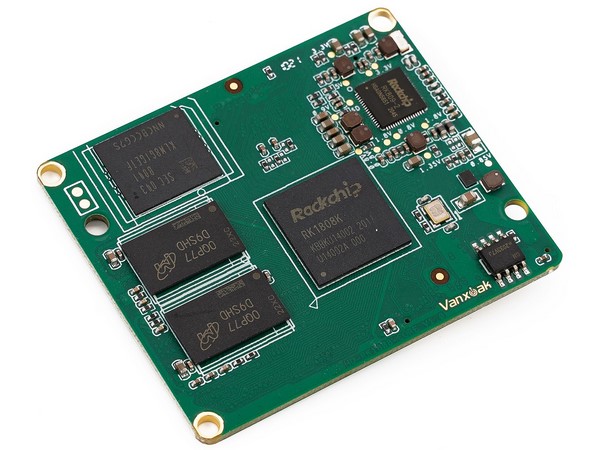
The processing unit analyzes the data captured by the image sensors and compares it against stored data. Advanced microcontrollers and processors are often used in these applications to handle complex algorithms efficiently.
5.3 Connectivity Modules
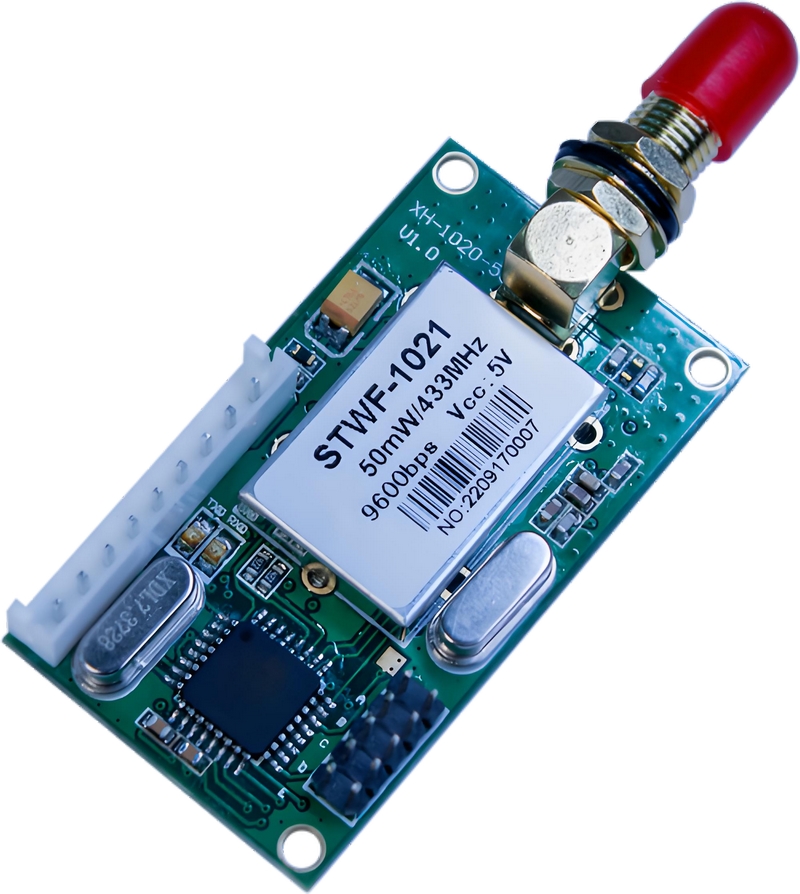
Connectivity modules, such as Wi-Fi and Bluetooth, allow the device to communicate with other systems and databases. Reliable connectivity is essential for real-time facial recognition applications.
5.4 Power Supply Circuits
Efficient power supply circuits ensure that the PCB assembly operates smoothly without interruptions. This is particularly critical for devices that require continuous operation.
6. Challenges in Facial Recognition PCB Assembly
While there are numerous benefits to using facial recognition PCB assembly, there are also challenges that manufacturers face.
6.1 Technical Limitations
The technology behind facial recognition is complex and continuously evolving. Manufacturers must stay updated on the latest advancements to ensure their products remain competitive.
6.2 Security Concerns
Given the sensitive nature of facial recognition data, ensuring data security is paramount. PCB assemblies must be designed with robust security features to protect against hacking and unauthorized access.
6.3 Cost Implications
Developing and manufacturing high-quality facial recognition systems can be costly. Balancing quality and affordability is crucial for manufacturers aiming to penetrate the market.
7. The Future of Facial Recognition PCB Assembly
The future of facial recognition technology holds immense promise. Innovations in PCB assembly processes and materials will likely lead to more compact, efficient, and powerful devices.
7.1 Integration with AI
As artificial intelligence continues to advance, the integration of AI algorithms with facial recognition systems will enhance accuracy and functionality, leading to improved user experiences.
7.2 Expanding Applications
The potential applications of facial recognition technology are expanding beyond traditional uses. Emerging sectors such as virtual reality and automotive industries are exploring how facial recognition can enhance user interaction and safety features.
8. Conclusion
Facial recognition PCB assembly is not just an essential component of modern electronics; it represents a significant technological advancement that enhances security, personalization, and user interaction. As we continue to innovate and overcome challenges, the future of facial recognition technology looks bright, promising even more sophisticated and reliable systems. By understanding its importance and applications, we can appreciate the intricate role that PCB assembly plays in shaping the future of technology.
9. Frequently Asked Questions (FAQs)
What is facial recognition technology?
Facial recognition technology is a system capable of identifying or verifying a person from a digital image or a video frame. This technology uses algorithms to analyze the facial features of individuals.
How does PCB assembly work?
PCB assembly involves soldering electronic components onto a printed circuit board to create a functional electronic device. This process is critical for ensuring that all components are properly connected and operational.
What are the applications of facial recognition PCB assembly?
Facial recognition PCB assembly is used in various applications, including mobile devices, access control systems, retail marketing, and healthcare, among others.
What are the challenges in facial recognition PCB assembly?
Challenges in facial recognition PCB assembly include technical limitations, security concerns regarding data protection, and cost implications associated with high-quality manufacturing.
What does the future hold for facial recognition technology?
The future of facial recognition technology includes greater integration with artificial intelligence, expanding applications in various sectors, and the development of more compact and efficient systems.
Related news

Request A Quote
Please feel free to contact us at any time, and we will wholeheartedly provide you with the highest quality service and support.