




Ask For A Quick Quote
We will contact you within one working day. Please pay attention to your email.
Request a Sample
With the mission of “Smart Manufacturing - Global Delivery”, we help our customers shorten the time-to-market and optimize the supply chain cost through continuous technology iteration and digital upgrading. We look forward to working with you to define the future of electronic manufacturing!
- Technology Driven Intelligent Manufacturing
- Full-process quality control
- In-depth industry experience
- Agile Service Network
Understanding UAV PCB Assembly: A Key Component in Modern Drone Technology
2025-09-17
In the rapidly evolving world of drone technology, UAV PCB assembly stands out as a critical component that ensures the reliable operation of unmanned aerial vehicles (UAVs). UAVs have become increasingly popular across various sectors, including agriculture, surveillance, and logistics, necessitating high-performance electronic systems that can withstand demanding operational conditions. This is where printed circuit boards (PCBs) come into play.
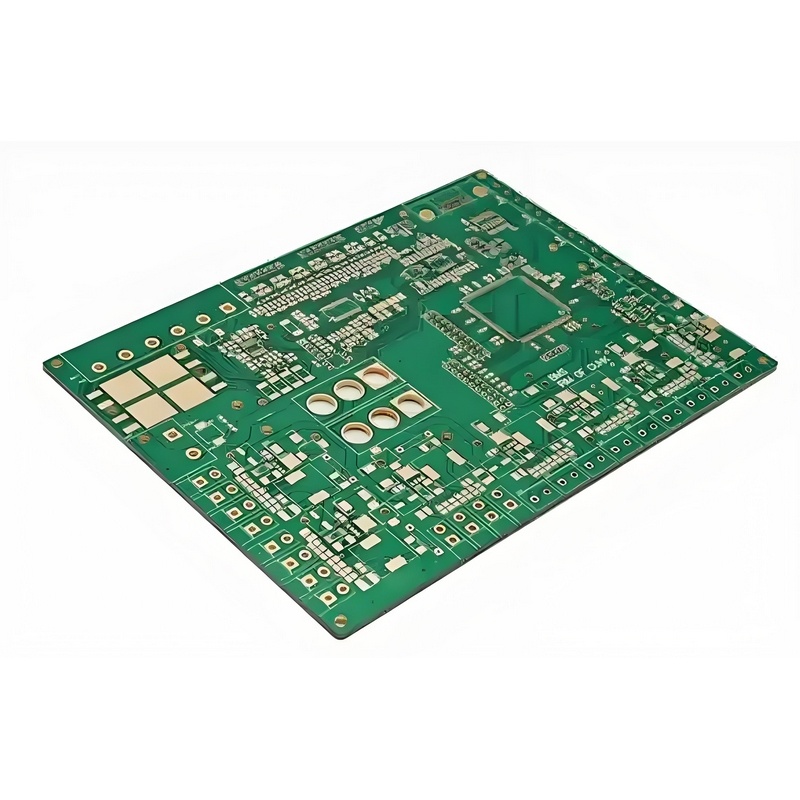
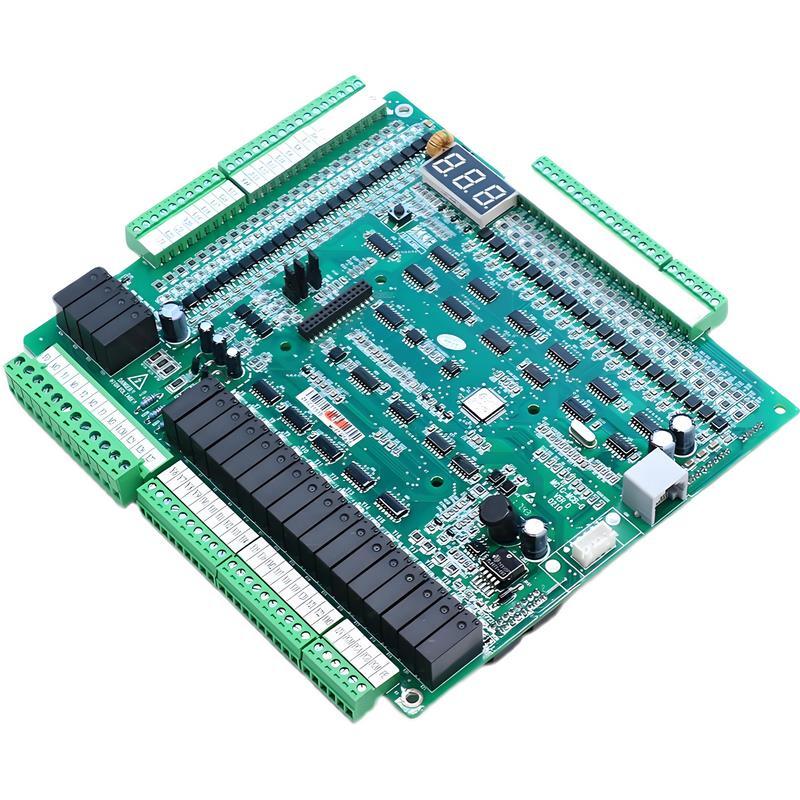
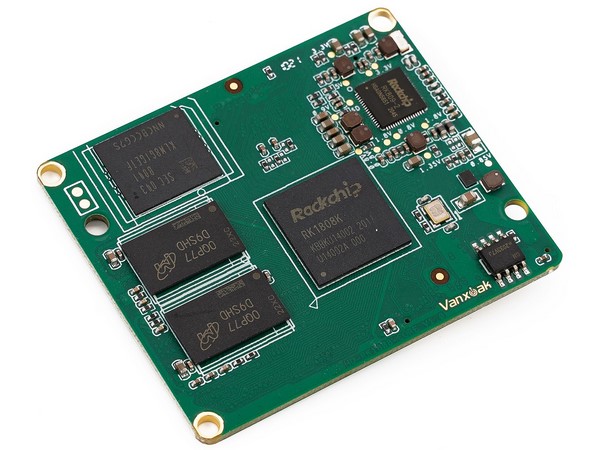
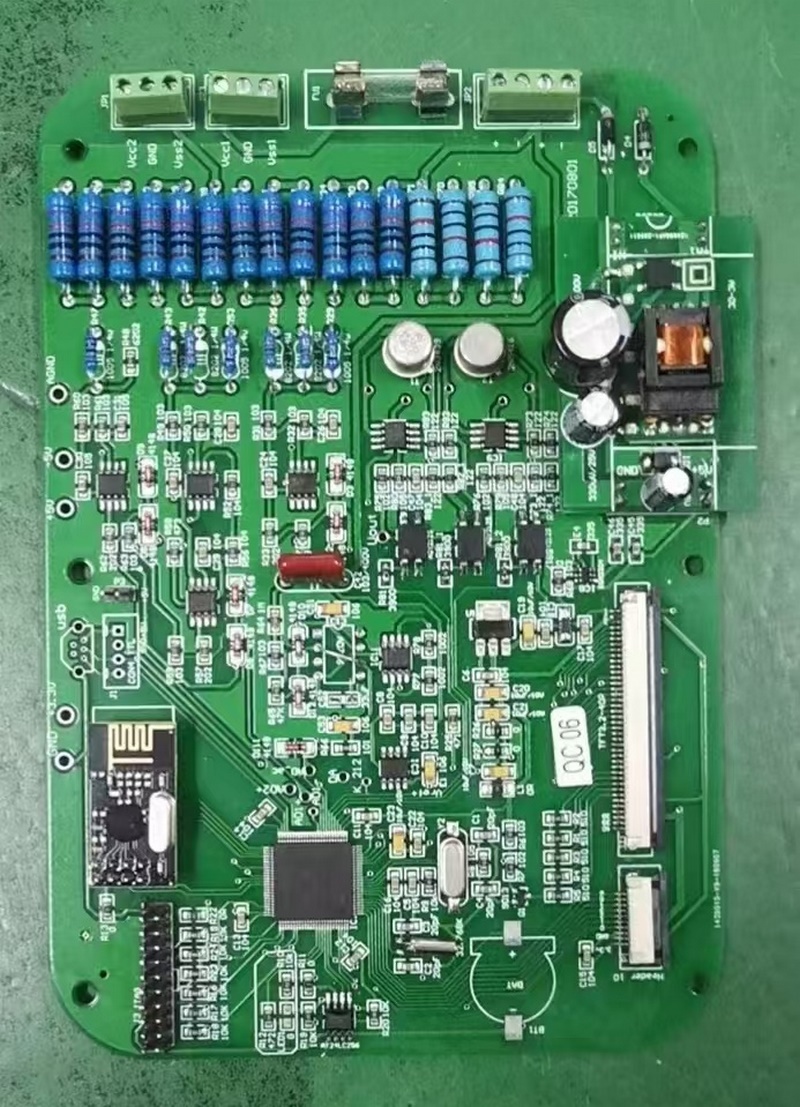
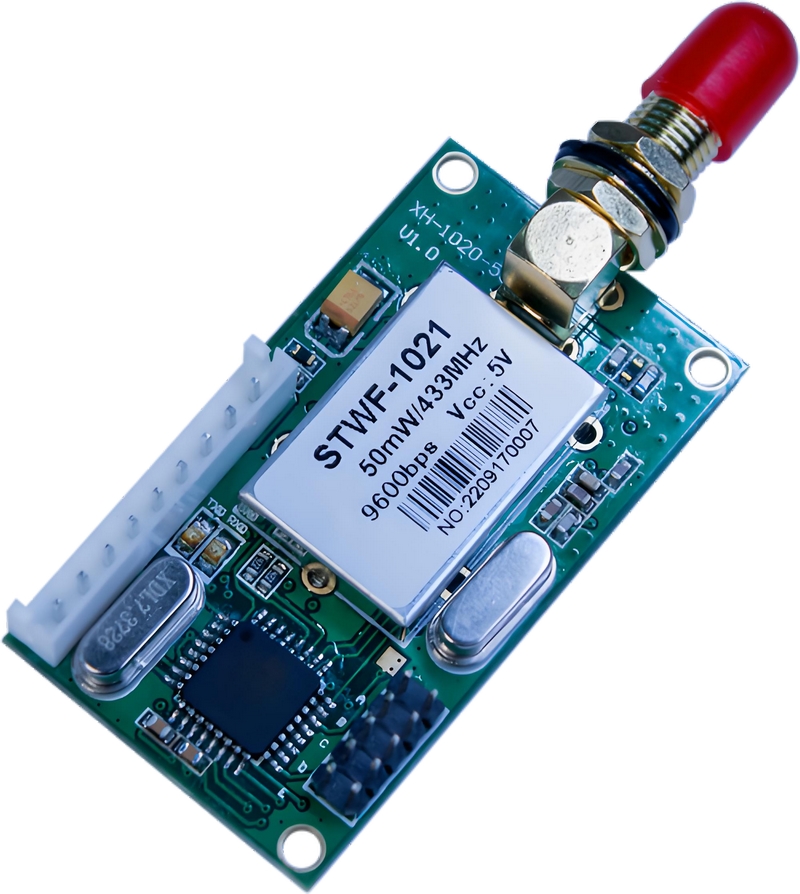
PCB assembly for UAVs involves the intricate process of mounting electronic components onto a PCB designed specifically for drone applications. The assembly process typically includes several stages, such as surface mount technology (SMT), through-hole technology, soldering, and quality assurance. Each of these stages is essential to ensuring that the final product meets stringent performance and reliability standards.
One of the primary advantages of effective UAV PCB assembly is its ability to enable compact and lightweight designs. Drones require efficient use of space and weight to maintain flight performance and battery efficiency. Advanced PCB technologies allow for the integration of numerous components within a minimized footprint, facilitating the development of smaller and more agile UAVs.
Moreover, UAV PCB assembly plays a pivotal role in the robustness and durability of the electronic systems within drones. Drones operate in a variety of environmental conditions, including high humidity, extreme temperatures, and potential exposure to dust and debris. High-quality PCB assembly incorporates protective features, such as conformal coatings and ruggedized designs, which help safeguard electronic components from environmental stresses.
Another critical aspect of UAV PCB assembly is the incorporation of advanced technologies, such as IoT connectivity and autonomous navigation systems. As drones become increasingly automated, the demand for sophisticated circuitry that supports real-time data processing and communication grows. PCB assembly must, therefore, accommodate these advancements, ensuring that UAVs can operate autonomously and interact seamlessly with control systems.
Furthermore, the design and assembly of UAV PCBs must comply with specific industry standards and regulations. This includes certifications for safety, reliability, and electromagnetic compatibility. Understanding these requirements is crucial for professionals involved in the design and production of UAV PCBs, as non-compliance can lead to operational failures and safety hazards.
In conclusion, UAV PCB assembly is a vital aspect of drone technology that directly impacts the performance, durability, and capabilities of unmanned aerial vehicles. By investing in quality PCB assembly processes and understanding the unique demands of UAV applications, industry professionals can enhance the functionality and reliability of these innovative systems. As the drone industry continues to expand, so too will the importance of effective UAV PCB assembly in driving technological advancements.
Related news

Request A Quote
Please feel free to contact us at any time, and we will wholeheartedly provide you with the highest quality service and support.