




Ask For A Quick Quote
We will contact you within one working day. Please pay attention to your email.
Request a Sample
With the mission of “Smart Manufacturing - Global Delivery”, we help our customers shorten the time-to-market and optimize the supply chain cost through continuous technology iteration and digital upgrading. We look forward to working with you to define the future of electronic manufacturing!
- Technology Driven Intelligent Manufacturing
- Full-process quality control
- In-depth industry experience
- Agile Service Network
Exploring Advanced Techniques in Precision Instruments for PCB Assembly
2025-10-14
Exploring Advanced Techniques in Precision Instruments for PCB Assembly
In today's fast-paced technological landscape, the demand for high-quality Printed Circuit Boards (PCBs) is ever-increasing. With the rapid evolution of electronics, the complexity of PCB design and assembly has also grown. To meet these demands, it's crucial to adopt advanced techniques and precision instruments that ensure accuracy and efficiency in the PCB assembly process. This article explores the latest innovations in precision instruments, their importance, and various techniques that can significantly enhance PCB assembly quality.
Table of Contents
- Understanding PCB Assembly
- Importance of Precision Instruments in PCB Assembly
- Advanced Precision Techniques for PCB Assembly
- Automated Assembly Systems
- Selecting the Right Tools for PCB Assembly
- Quality Assurance in PCB Assembly
- Future Trends in PCB Assembly Technology
- Frequently Asked Questions
Understanding PCB Assembly
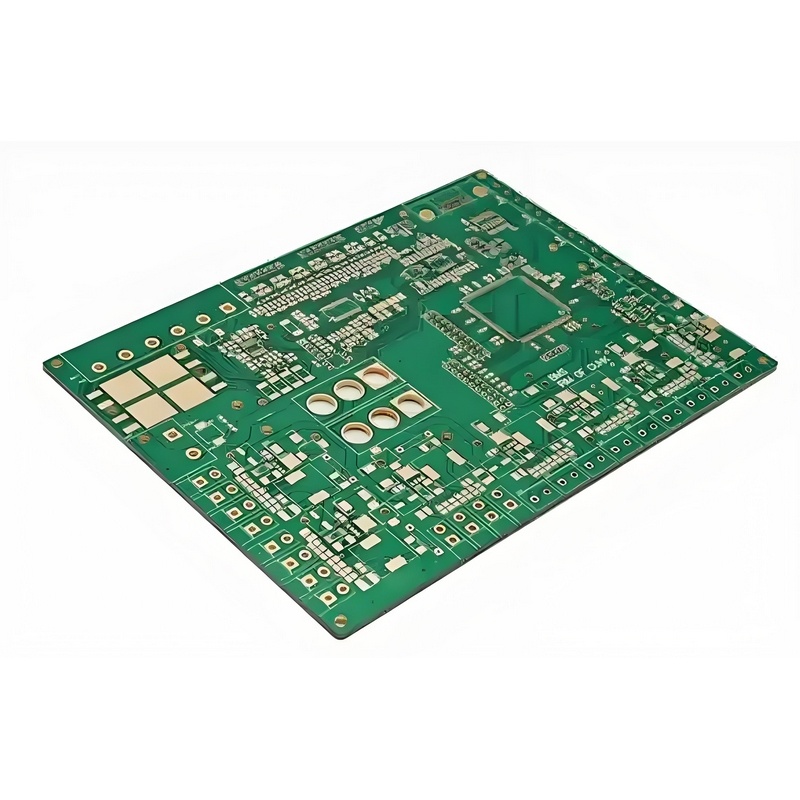
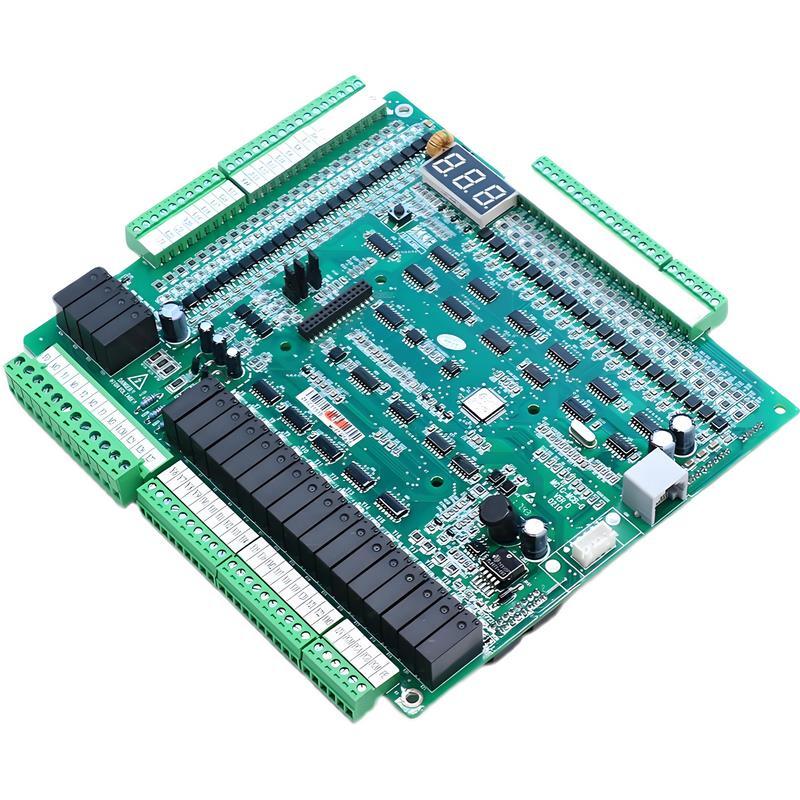
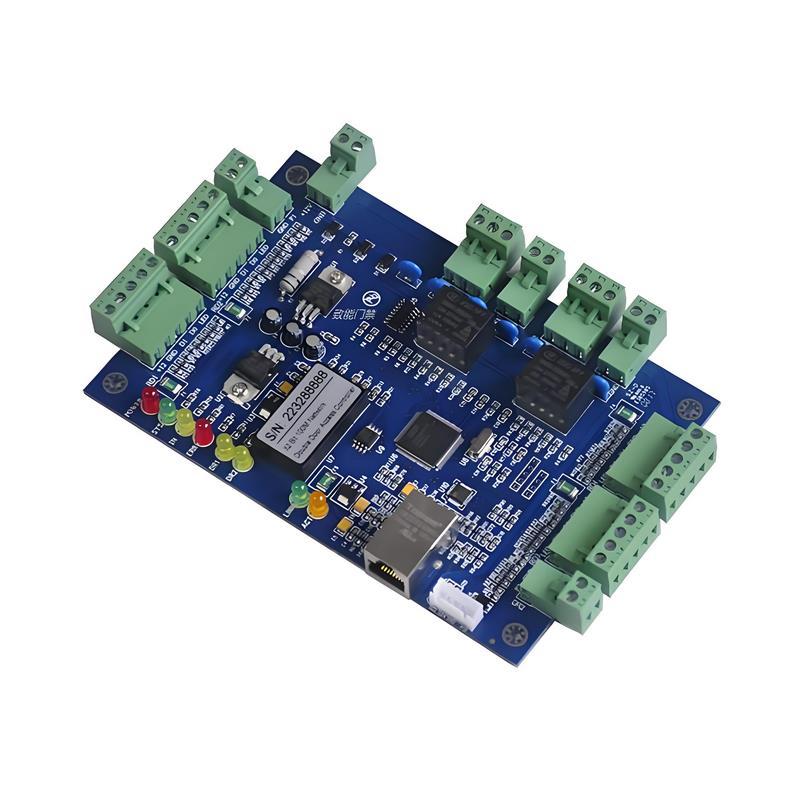
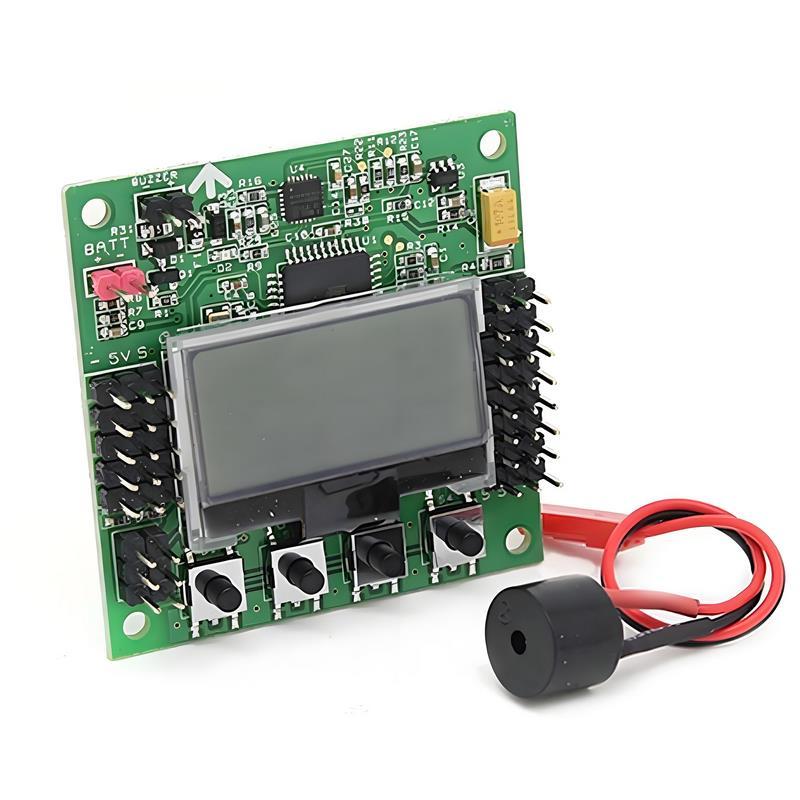
PCB assembly is the process of connecting various electronic components to a PCB, which serves as the backbone for electronic devices. The assembly process involves several steps, including component placement, soldering, and inspection. As technology evolves, PCBs are becoming more intricate, requiring enhanced precision to ensure functionality and reliability.
Importance of Precision Instruments in PCB Assembly
Precision instruments play a pivotal role in PCB assembly. They not only improve the accuracy of component placement but also reduce the likelihood of defects. Key benefits of utilizing precision instruments include:
- Enhanced Accuracy: Precision tools ensure that components are placed exactly where they need to be, minimizing the risk of electrical failures.
- Increased Efficiency: Automated precision instruments reduce manual labor, speeding up the assembly process and allowing for higher production volumes.
- Cost-Effectiveness: By improving accuracy and reducing defects, precision instruments can lead to significant cost savings in production and materials.
Advanced Precision Techniques for PCB Assembly
Adopting advanced techniques in PCB assembly is essential in maintaining competitive advantage. Here are some notable techniques:
1. Surface Mount Technology (SMT)
Surface Mount Technology is a method where components are mounted directly onto the surface of the PCB. SMT has revolutionized PCB assembly by allowing for more compact designs and faster assembly times. Advanced SMT machines can place thousands of components per hour with high precision, making them a staple in modern electronics manufacturing.
2. Pick and Place Machines
Pick and place machines are vital in automating component placement. These machines use advanced vision systems to identify and position components accurately. By implementing high-speed pick and place machines, manufacturers can achieve rapid assembly without sacrificing quality.
3. Automated Optical Inspection (AOI)
AOI systems utilize high-resolution cameras to inspect the assembled PCB for defects. This technology allows manufacturers to identify inconsistencies early in the assembly process, reducing the chances of costly errors and ensuring that each board meets stringent quality standards.
4. Reflow Soldering Techniques
Reflow soldering is a critical process in PCB assembly, particularly for SMT. This technique involves applying solder paste to the PCB, followed by heating it to create solid solder joints. Advanced reflow ovens provide precise temperature control, ensuring optimal soldering conditions and minimizing thermal stress on components.
5. Selective Soldering Techniques
Selective soldering is used in applications where only specific areas of the PCB require soldering. This technique is particularly useful for mixed technology boards where both through-hole and surface mount components are present. High-precision selective soldering machines can accurately target specific joints, enhancing the quality of the finished product.
Automated Assembly Systems
The integration of automated assembly systems has transformed PCB manufacturing. These systems offer several advantages, including:
- Consistency: Automated systems ensure uniformity in assembly, reducing variability that comes with manual labor.
- Speed: Automation increases the production speed significantly, allowing manufacturers to meet high demand.
- Scalability: Automated systems can be easily scaled to accommodate larger production runs without compromising quality.
Selecting the Right Tools for PCB Assembly
Choosing the right tools for PCB assembly is crucial for maximizing efficiency and ensuring quality. Key considerations include:
- Compatibility: Ensure that the tools are compatible with the specific components and PCB designs you are working with.
- Precision: Look for tools that provide high precision, especially for intricate designs.
- Ease of Use: Select tools that are user-friendly and require minimal training to operate effectively.
Quality Assurance in PCB Assembly
Quality assurance is paramount in PCB assembly. Implementing stringent quality control measures can significantly reduce defects and enhance the overall reliability of PCBs. Some practices include:
- Regular Inspections: Conducting routine inspections during various stages of assembly helps identify potential issues before they escalate.
- Testing: Employing both functional and environmental testing ensures that PCBs operate correctly under different conditions.
- Traceability: Maintaining a traceability system allows manufacturers to track components and processes, facilitating accountability and quality improvements.
Future Trends in PCB Assembly Technology
The future of PCB assembly is geared toward increased automation, improved materials, and advanced technologies. Emerging trends include:
- IoT Integration: The integration of IoT devices in assembly processes allows for real-time monitoring and data analysis, enabling manufacturers to optimize their operations.
- 3D Printing: 3D printing is poised to revolutionize PCB manufacturing by allowing for rapid prototyping and customization of PCB designs.
- Advanced Materials: Research into new materials, such as flexible PCBs and advanced soldering materials, is leading to the development of more resilient and adaptable circuits.
Frequently Asked Questions
1. What are the main advantages of using precision instruments in PCB assembly?
Precision instruments enhance accuracy, increase efficiency, and reduce costs by minimizing defects and optimizing production processes.
2. How does Surface Mount Technology (SMT) improve PCB assembly?
SMT allows for direct mounting of components on PCB surfaces, enabling compact designs and faster assembly times, which is crucial for modern electronics.
3. What role does Automated Optical Inspection (AOI) play in quality assurance?
AOI systems inspect assembled PCBs for defects using high-resolution cameras, allowing for early detection of inconsistencies and ensuring high-quality standards.
4. Can manual assembly still be effective in PCB production?
While automated systems dominate the industry, manual assembly can still be effective for low-volume or customized PCB production where precision and craftsmanship are essential.
5. What future technologies are emerging in PCB assembly?
Future trends include IoT integration for real-time monitoring, 3D printing for rapid prototyping, and the use of advanced materials for improved durability and flexibility.
Conclusion
Exploring advanced techniques in precision instruments for PCB assembly reveals a landscape brimming with innovation and opportunity. By embracing cutting-edge technologies, manufacturers can enhance the quality and efficiency of their assembly processes. As the demand for sophisticated electronics continues to rise, so too does the importance of precision in PCB assembly. Investing in state-of-the-art tools and techniques not only ensures superior product quality but also positions manufacturers to thrive in an increasingly competitive market.
Related news

Request A Quote
Please feel free to contact us at any time, and we will wholeheartedly provide you with the highest quality service and support.