




Ask For A Quick Quote
We will contact you within one working day. Please pay attention to your email.
Request a Sample
With the mission of “Smart Manufacturing - Global Delivery”, we help our customers shorten the time-to-market and optimize the supply chain cost through continuous technology iteration and digital upgrading. We look forward to working with you to define the future of electronic manufacturing!
- Technology Driven Intelligent Manufacturing
- Full-process quality control
- In-depth industry experience
- Agile Service Network
Understanding Elevator Control PCB Assembly: Key Insights and Considerations
2026-08-09
Elevator control systems are essential for the seamless operation of vertical transportation, ensuring safety and efficiency in high-rise buildings. At the heart of these systems lies the Elevator Control PCB Assembly, which plays a pivotal role in controlling various elevator functions. This article delves into the intricacies of Elevator Control PCB Assembly, offering insights into its design, functionality, and importance in the electronic components sector.
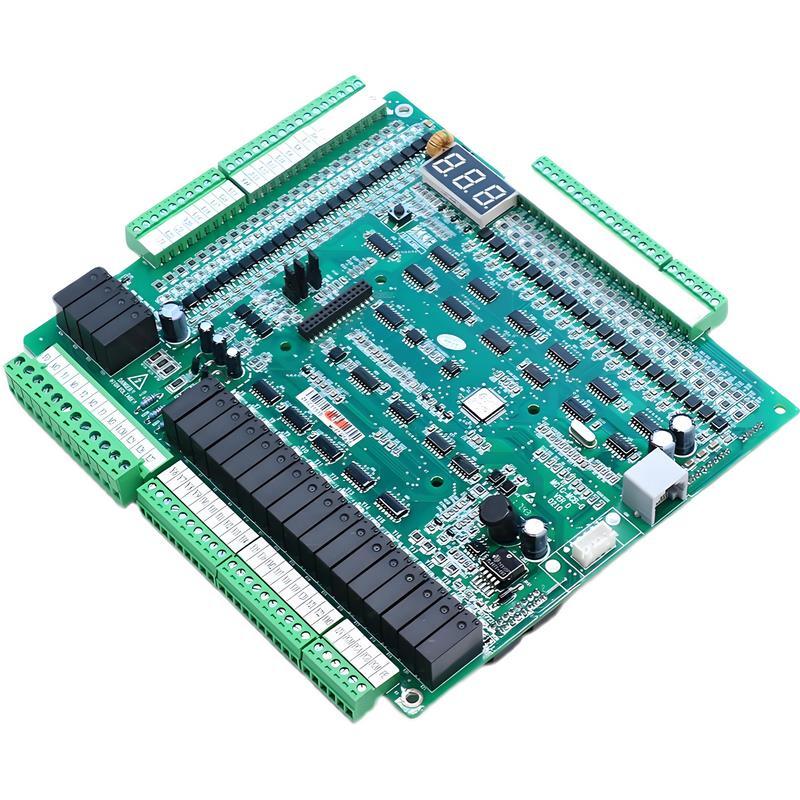
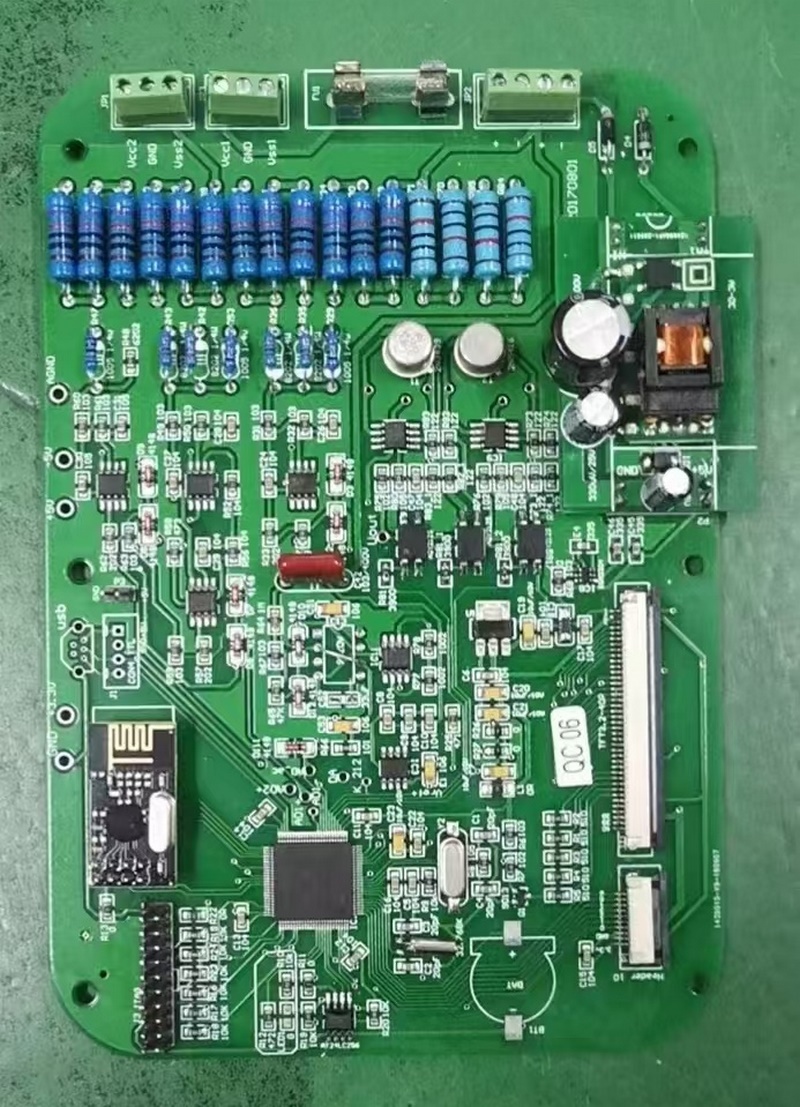
The Elevator Control PCB Assembly is engineered to manage the operation of the elevator, including the motor control, door mechanisms, and safety features. This assembly typically consists of a printed circuit board (PCB) that integrates various electronic components, such as microcontrollers, relays, and sensors. The design process of these assemblies requires a thorough understanding of both electrical engineering principles and the specific demands of elevator systems.
One of the key considerations in Elevator Control PCB Assembly is reliability. Given the critical role elevators play in daily transportation, any failure in the control system can lead to significant safety hazards. Therefore, manufacturers must adhere to strict quality control standards during the assembly process. Testing methodologies, including functional and stress testing, are crucial to ensuring that the finished product meets all operational and safety requirements.
Another important aspect is the scalability of the design. As buildings become taller and more complex, elevator systems must adapt accordingly. Elevator Control PCB Assembly must be designed to handle varying loads, multiple stops, and sophisticated control algorithms. This scalability ensures that the system can accommodate future advancements in elevator technology and user demands.
Moreover, advancements in technology, such as the integration of IoT capabilities, are beginning to influence Elevator Control PCB Assembly. Smart elevators equipped with sensors and connectivity features can provide real-time data, enhancing maintenance and operational efficiency. By analyzing this data, building managers can predict maintenance needs, thereby reducing downtime and improving overall service quality.
In conclusion, understanding Elevator Control PCB Assembly is crucial for professionals in the electronic components industry. By focusing on reliability, scalability, and emerging technologies, stakeholders can ensure that elevator systems remain safe, efficient, and ready to meet the demands of modern architecture. As the industry evolves, staying informed about these key aspects will be vital for maintaining competitive advantage and delivering high-quality solutions in elevator technology.
The Elevator Control PCB Assembly is engineered to manage the operation of the elevator, including the motor control, door mechanisms, and safety features. This assembly typically consists of a printed circuit board (PCB) that integrates various electronic components, such as microcontrollers, relays, and sensors. The design process of these assemblies requires a thorough understanding of both electrical engineering principles and the specific demands of elevator systems.
One of the key considerations in Elevator Control PCB Assembly is reliability. Given the critical role elevators play in daily transportation, any failure in the control system can lead to significant safety hazards. Therefore, manufacturers must adhere to strict quality control standards during the assembly process. Testing methodologies, including functional and stress testing, are crucial to ensuring that the finished product meets all operational and safety requirements.
Another important aspect is the scalability of the design. As buildings become taller and more complex, elevator systems must adapt accordingly. Elevator Control PCB Assembly must be designed to handle varying loads, multiple stops, and sophisticated control algorithms. This scalability ensures that the system can accommodate future advancements in elevator technology and user demands.
Moreover, advancements in technology, such as the integration of IoT capabilities, are beginning to influence Elevator Control PCB Assembly. Smart elevators equipped with sensors and connectivity features can provide real-time data, enhancing maintenance and operational efficiency. By analyzing this data, building managers can predict maintenance needs, thereby reducing downtime and improving overall service quality.
In conclusion, understanding Elevator Control PCB Assembly is crucial for professionals in the electronic components industry. By focusing on reliability, scalability, and emerging technologies, stakeholders can ensure that elevator systems remain safe, efficient, and ready to meet the demands of modern architecture. As the industry evolves, staying informed about these key aspects will be vital for maintaining competitive advantage and delivering high-quality solutions in elevator technology.
Related news

Request A Quote
Please feel free to contact us at any time, and we will wholeheartedly provide you with the highest quality service and support.