




Ask For A Quick Quote
We will contact you within one working day. Please pay attention to your email.
Request a Sample
With the mission of “Smart Manufacturing - Global Delivery”, we help our customers shorten the time-to-market and optimize the supply chain cost through continuous technology iteration and digital upgrading. We look forward to working with you to define the future of electronic manufacturing!
- Technology Driven Intelligent Manufacturing
- Full-process quality control
- In-depth industry experience
- Agile Service Network
Essential Insights into UAV PCB Assembly for Electronic Components
2026-08-03
In the fast-evolving landscape of electronic components, UAV (Unmanned Aerial Vehicle) PCB assembly stands out as a crucial area of focus. As UAV technology advances, the demand for reliable and efficient PCB assemblies tailored for these aerial systems has surged. Understanding UAV PCB assembly is essential for engineers and manufacturers looking to deliver high-quality solutions in this competitive market.
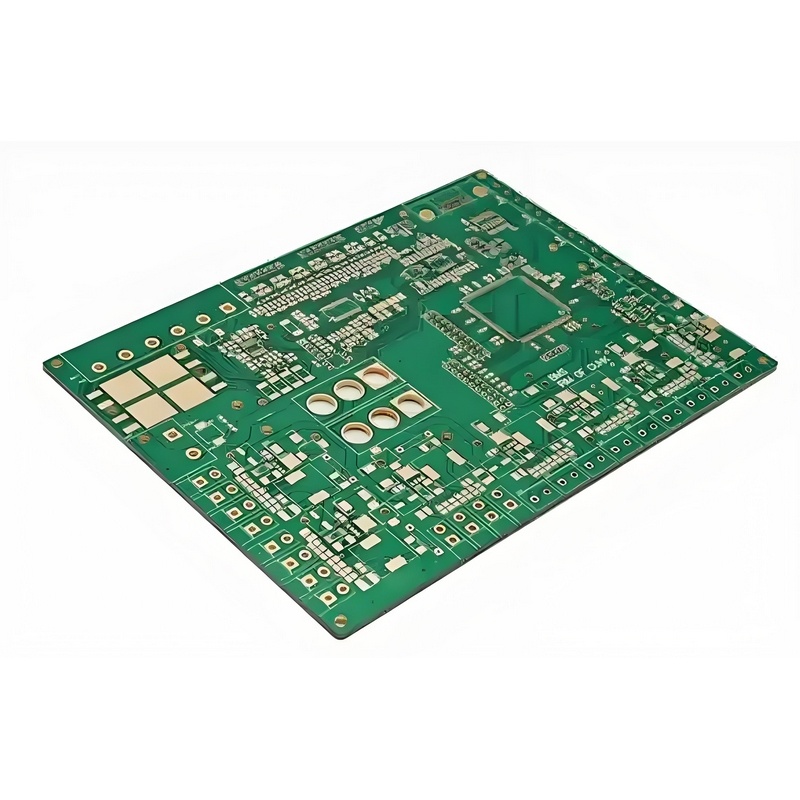
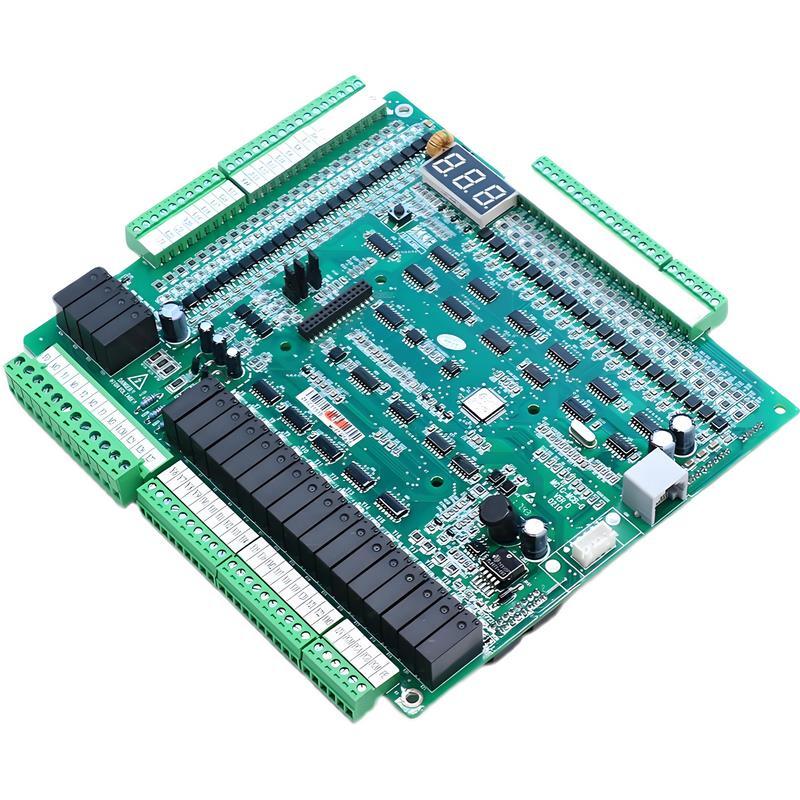
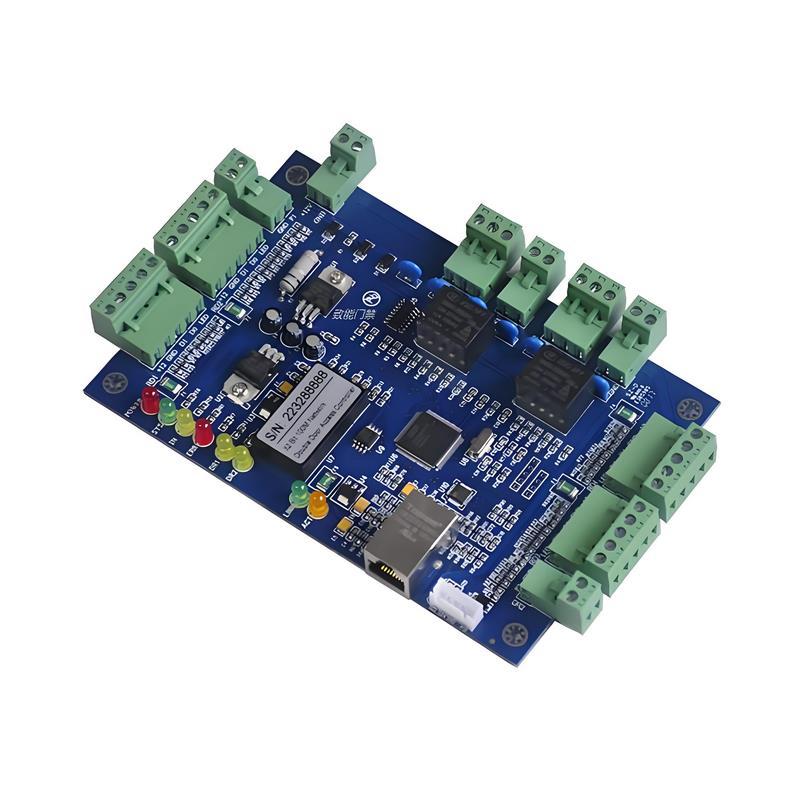
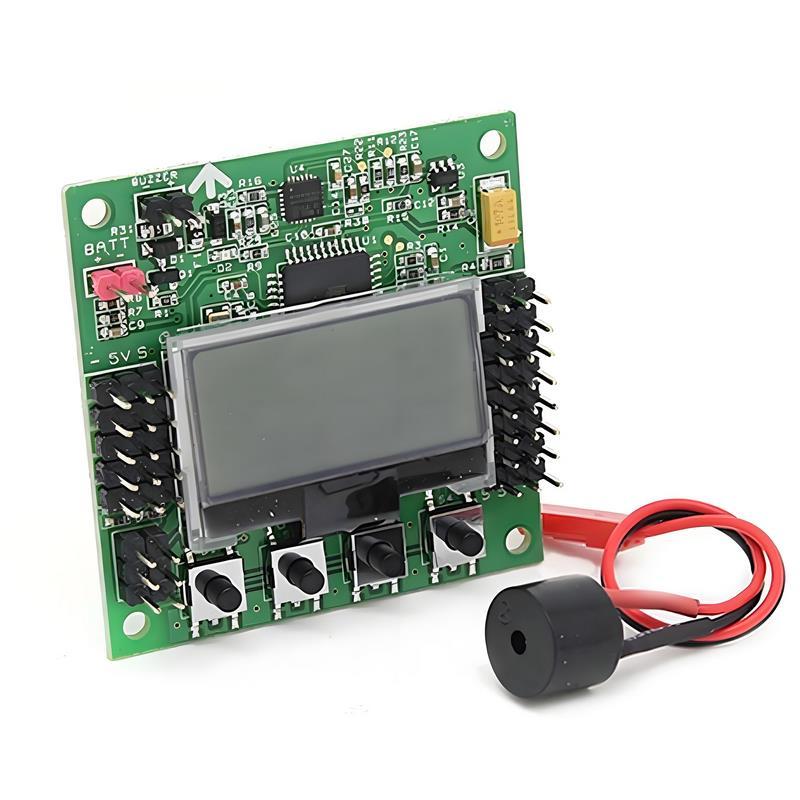
At its core, UAV PCB assembly involves the meticulous process of integrating various electronic components onto a printed circuit board (PCB) that is specifically designed for UAV applications. This process requires a deep understanding of the unique operational demands of UAVs, including weight constraints, environmental resilience, and energy efficiency. The assembly process typically includes several key stages: design, prototyping, fabrication, assembly, and testing.
The design phase is critical, as it dictates the functionality and performance of the UAV. Engineers must consider factors such as component placement, thermal management, and electromagnetic interference to ensure optimal performance. Advanced software tools are often employed to create detailed layouts that maximize efficiency while minimizing potential issues.
Prototyping follows the design phase, allowing for the creation of initial models that can be tested under real-world conditions. This stage is crucial for identifying any flaws or areas for improvement before moving on to the full-scale production. Once the prototype is validated, the fabrication process involves producing the PCB itself, where various materials and techniques are used to create a durable and effective board.
Assembly involves soldering electronic components onto the PCB, which can be done through manual or automated processes. Each method has its advantages; while manual assembly allows for precise placements, automated assembly can significantly increase production speed. However, both methods require skilled technicians to ensure that the components are placed correctly and securely.
Testing is the final phase of UAV PCB assembly. Comprehensive testing procedures are essential to ensure that the assembled PCBs meet the necessary performance and safety standards. This typically includes functional testing, thermal cycling, and environmental testing to confirm that the assembly can withstand the rigors of UAV operation.
Challenges in UAV PCB assembly can arise from several factors, including the rapidly changing technological landscape, regulatory compliance, and the need for miniaturization. Adapting to these challenges requires continuous innovation and a commitment to quality standards.
In conclusion, understanding UAV PCB assembly is vital for anyone involved in the electronic components industry. By mastering the intricacies of the assembly process and staying abreast of technological advancements, professionals can ensure the successful integration of PCBs into UAV systems, ultimately contributing to the growth and reliability of this exciting field.
At its core, UAV PCB assembly involves the meticulous process of integrating various electronic components onto a printed circuit board (PCB) that is specifically designed for UAV applications. This process requires a deep understanding of the unique operational demands of UAVs, including weight constraints, environmental resilience, and energy efficiency. The assembly process typically includes several key stages: design, prototyping, fabrication, assembly, and testing.
The design phase is critical, as it dictates the functionality and performance of the UAV. Engineers must consider factors such as component placement, thermal management, and electromagnetic interference to ensure optimal performance. Advanced software tools are often employed to create detailed layouts that maximize efficiency while minimizing potential issues.
Prototyping follows the design phase, allowing for the creation of initial models that can be tested under real-world conditions. This stage is crucial for identifying any flaws or areas for improvement before moving on to the full-scale production. Once the prototype is validated, the fabrication process involves producing the PCB itself, where various materials and techniques are used to create a durable and effective board.
Assembly involves soldering electronic components onto the PCB, which can be done through manual or automated processes. Each method has its advantages; while manual assembly allows for precise placements, automated assembly can significantly increase production speed. However, both methods require skilled technicians to ensure that the components are placed correctly and securely.
Testing is the final phase of UAV PCB assembly. Comprehensive testing procedures are essential to ensure that the assembled PCBs meet the necessary performance and safety standards. This typically includes functional testing, thermal cycling, and environmental testing to confirm that the assembly can withstand the rigors of UAV operation.
Challenges in UAV PCB assembly can arise from several factors, including the rapidly changing technological landscape, regulatory compliance, and the need for miniaturization. Adapting to these challenges requires continuous innovation and a commitment to quality standards.
In conclusion, understanding UAV PCB assembly is vital for anyone involved in the electronic components industry. By mastering the intricacies of the assembly process and staying abreast of technological advancements, professionals can ensure the successful integration of PCBs into UAV systems, ultimately contributing to the growth and reliability of this exciting field.
Related news

Request A Quote
Please feel free to contact us at any time, and we will wholeheartedly provide you with the highest quality service and support.