




Ask For A Quick Quote
We will contact you within one working day. Please pay attention to your email.
Request a Sample
With the mission of “Smart Manufacturing - Global Delivery”, we help our customers shorten the time-to-market and optimize the supply chain cost through continuous technology iteration and digital upgrading. We look forward to working with you to define the future of electronic manufacturing!
- Technology Driven Intelligent Manufacturing
- Full-process quality control
- In-depth industry experience
- Agile Service Network
The Essential Guide to Precision Instruments PCB Assembly
2026-07-28
Precision Instruments PCB Assembly plays a crucial role in the electronics manufacturing sector, particularly for applications that require high reliability and accuracy. The process of assembling printed circuit boards (PCBs) involves multiple stages, including design, fabrication, and assembly. Understanding these stages is essential for ensuring the creation of high-quality electronic components.
The first step in Precision Instruments PCB Assembly is the design phase. This involves using computer-aided design (CAD) software to create a schematic that outlines the electrical connections between components. The accuracy of this design directly impacts the functionality and reliability of the final product. During this phase, engineers must consider factors such as component placement, signal integrity, and thermal management to optimize the PCB layout.
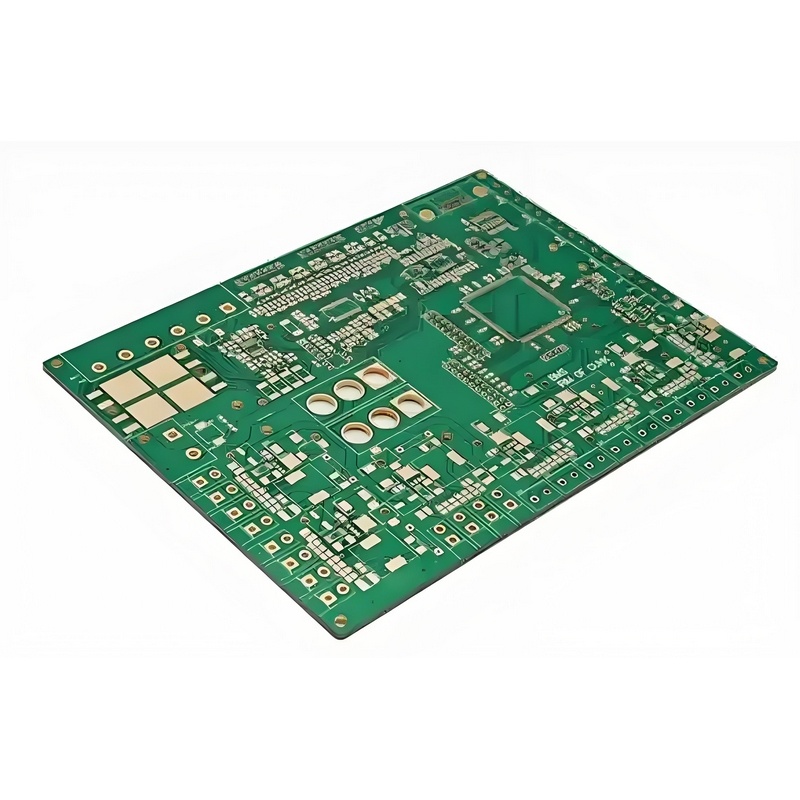
Once the design is finalized, the fabrication process begins. This typically involves etching copper layers onto a substrate to create the conductive paths required for electrical flow. High-precision techniques are employed to ensure that these paths are created with minimal tolerances, which is vital for applications where even the smallest deviation can lead to significant performance issues. For Precision Instruments, the fabrication phase may include the use of advanced materials and processes, like multi-layer PCBs or flexible substrates, depending on the specific requirements of the instrument being developed.
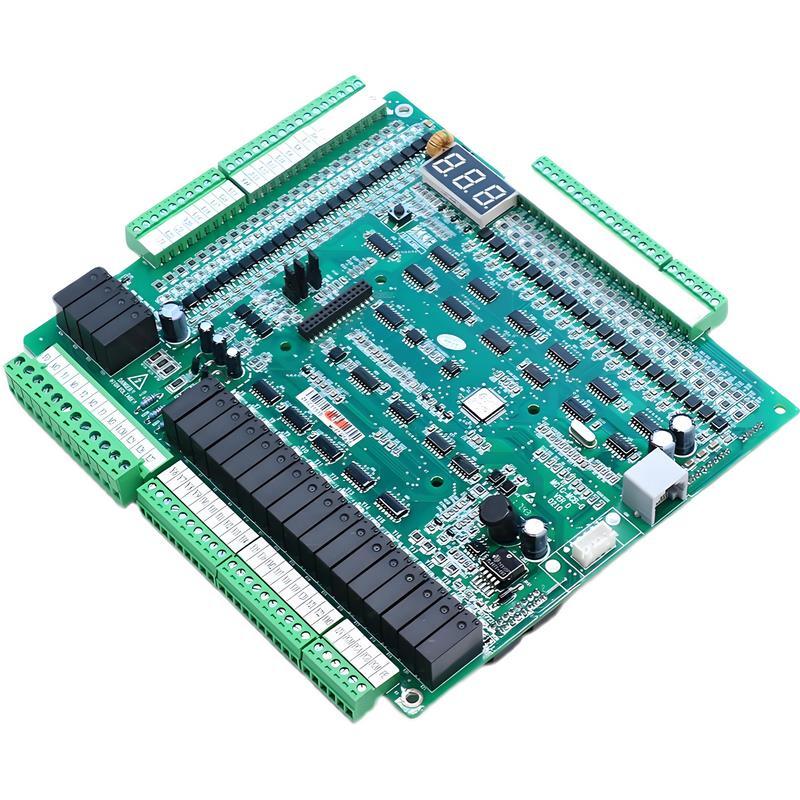
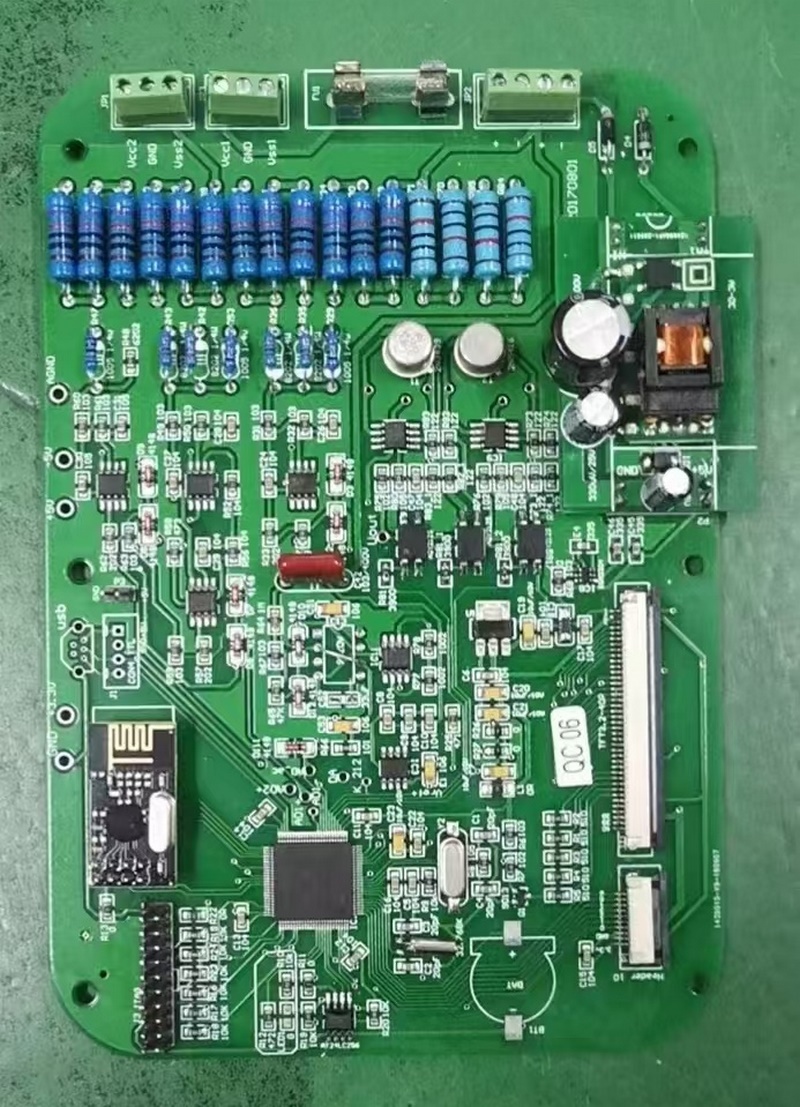
After fabrication, the actual assembly of the PCB takes place. This step can involve various methods, including surface mount technology (SMT) and through-hole assembly. SMT is widely favored for its efficiency and ability to accommodate smaller components, while through-hole methods are often used for components that require enhanced mechanical stability. In the context of Precision Instruments PCB Assembly, the choice of assembly method can greatly influence the final product's durability and functionality.
Quality control is another critical aspect of Precision Instruments PCB Assembly. Rigorous testing procedures, such as automated optical inspection (AOI) and functional testing, are implemented to identify any defects or inconsistencies that may affect performance. These tests help ensure that each assembly meets the required specifications and standards, which is particularly important in precision applications where reliability is paramount.
In conclusion, mastering Precision Instruments PCB Assembly is essential for producing high-quality electronic components. From meticulous design to stringent quality control measures, each phase of the process contributes to the overall success of the product. By understanding the intricacies of PCB assembly, companies can improve their manufacturing processes, ultimately delivering superior instruments that meet the demands of their customers.
The first step in Precision Instruments PCB Assembly is the design phase. This involves using computer-aided design (CAD) software to create a schematic that outlines the electrical connections between components. The accuracy of this design directly impacts the functionality and reliability of the final product. During this phase, engineers must consider factors such as component placement, signal integrity, and thermal management to optimize the PCB layout.
Once the design is finalized, the fabrication process begins. This typically involves etching copper layers onto a substrate to create the conductive paths required for electrical flow. High-precision techniques are employed to ensure that these paths are created with minimal tolerances, which is vital for applications where even the smallest deviation can lead to significant performance issues. For Precision Instruments, the fabrication phase may include the use of advanced materials and processes, like multi-layer PCBs or flexible substrates, depending on the specific requirements of the instrument being developed.
After fabrication, the actual assembly of the PCB takes place. This step can involve various methods, including surface mount technology (SMT) and through-hole assembly. SMT is widely favored for its efficiency and ability to accommodate smaller components, while through-hole methods are often used for components that require enhanced mechanical stability. In the context of Precision Instruments PCB Assembly, the choice of assembly method can greatly influence the final product's durability and functionality.
Quality control is another critical aspect of Precision Instruments PCB Assembly. Rigorous testing procedures, such as automated optical inspection (AOI) and functional testing, are implemented to identify any defects or inconsistencies that may affect performance. These tests help ensure that each assembly meets the required specifications and standards, which is particularly important in precision applications where reliability is paramount.
In conclusion, mastering Precision Instruments PCB Assembly is essential for producing high-quality electronic components. From meticulous design to stringent quality control measures, each phase of the process contributes to the overall success of the product. By understanding the intricacies of PCB assembly, companies can improve their manufacturing processes, ultimately delivering superior instruments that meet the demands of their customers.
Related news

Request A Quote
Please feel free to contact us at any time, and we will wholeheartedly provide you with the highest quality service and support.